

Beans, kidney, mature seeds, sprouted, cooked, boiled, drained, with salt
Whole food · Vegetables and Vegetable Products

Photo: Wikipedia
These are mature red kidney beans that have been sprouted, boiled, and lightly salted, resulting in a tender yet slightly crisp bite with a mild, earthy flavor. Their nutritional profile is lean and protein-focused, offering a substantial 4.83g of protein per 100g with very little fat. The sprouting process enhances their digestibility and gives them a fresher taste compared to their canned counterparts.
Calorie split: 44% protein · 43% carbs · 12% fat
↓ Full nutrition💚 Why it's loved
People love them for their satisfying, hearty texture that holds up well in salads, soups, and stews, adding a protein punch without heaviness. They are a versatile staple in many cuisines, valued for their ability to absorb flavors while maintaining their distinct, pleasant bite.
⚠️ Watch-outs & how to enjoy it better
The added salt is a primary concern for those monitoring sodium intake, and beans contain natural compounds like lectins that can cause digestive discomfort if not properly prepared. To counteract, rinse them thoroughly under cold water to reduce surface sodium, and ensure they were fully boiled during preparation (which these are) to neutralize lectins. Pairing with a source of vitamin C (like a squeeze of lime) can also aid iron absorption.
Key benefits
- High-quality plant-based protein source
- Low in fat and calories
- Sprouting may increase nutrient bioavailability
- Provides essential minerals like iron and folate
- Convenient, pre-cooked ingredient for quick meals
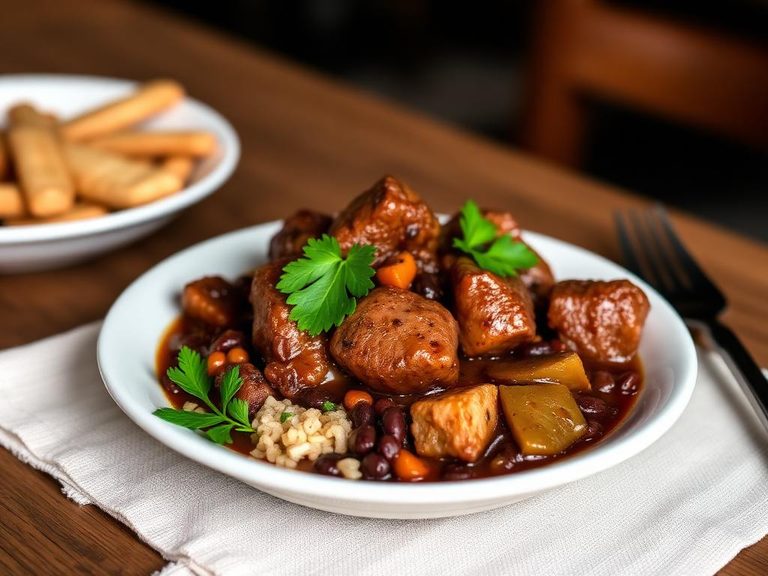
🍽️ Popular dishes
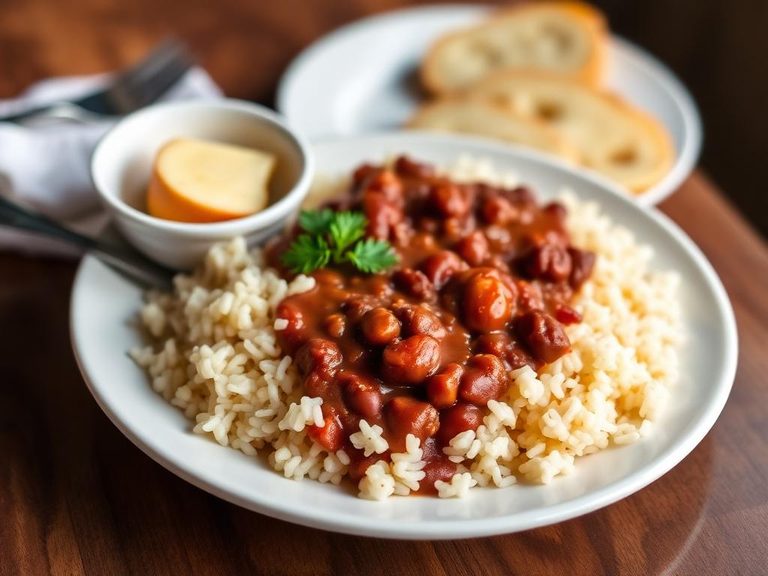
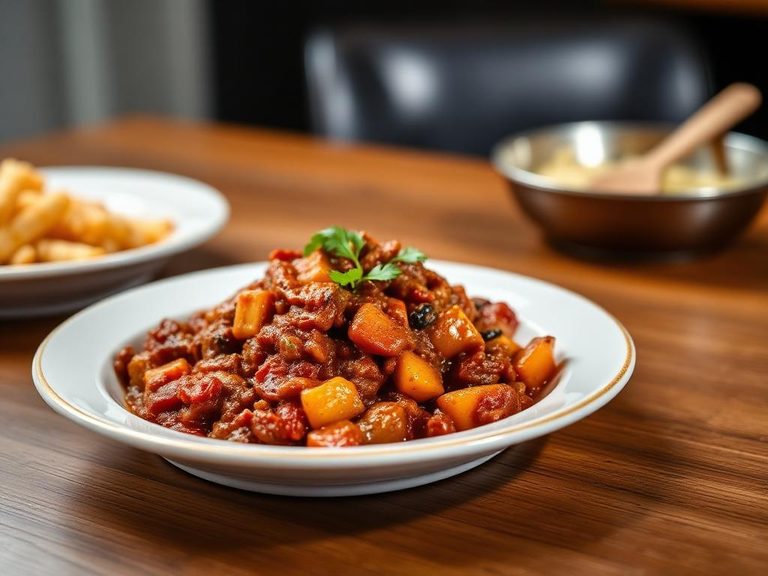
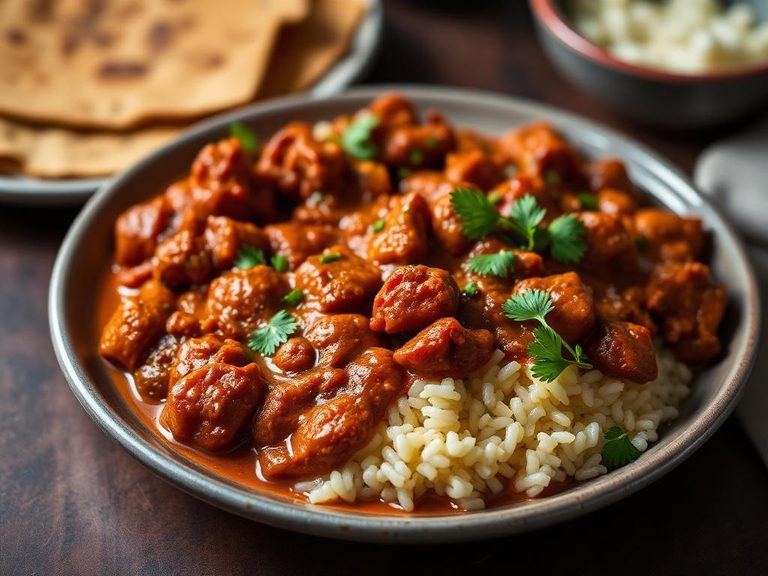
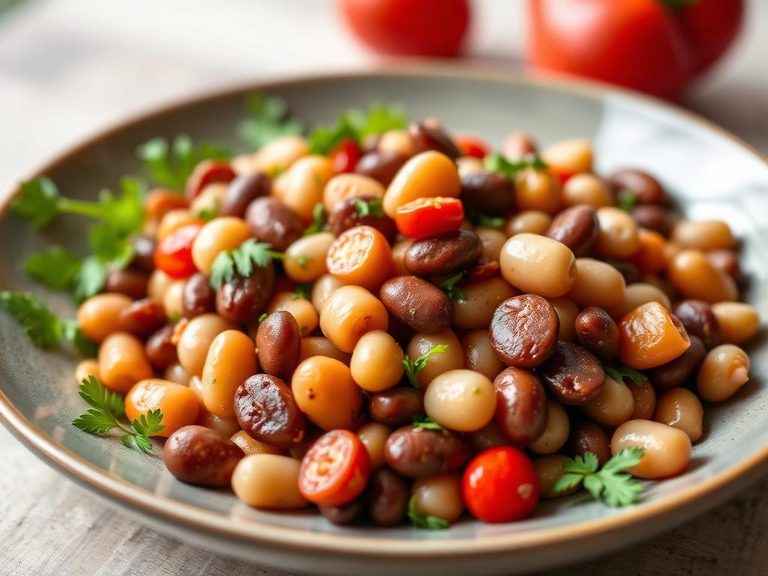
🌍 Where it's eaten
💡 Did you know?
Sprouting kidney beans before cooking can reduce their oligosaccharide content—the sugars responsible for gas—by up to 75%, making them significantly easier to digest.
Full nutrition (USDA data · scales with serving)
| Water | 89.3 g |
| Energy | 33.0 kcal |
| Energy | 138 kj |
| Protein | 4.8 g |
| Total lipid (fat) | 0.58 g |
| Ash | 0.58 g |
| Carbohydrate, by difference | 4.7 g |
| Calcium, Ca | 19.0 mg |
| Iron, Fe | 0.89 mg |
| Magnesium, Mg | 23.0 mg |
| Phosphorus, P | 38.0 mg |
| Potassium, K | 194 mg |
| Sodium, Na | 243 mg |
| Zinc, Zn | 0.44 mg |
| Copper, Cu | 0.17 mg |
| Manganese, Mn | 0.20 mg |
| Selenium, Se | 0.60 ug |
| Vitamin C, total ascorbic acid | 35.6 mg |
| Thiamin | 0.36 mg |
| Riboflavin | 0.27 mg |
| Niacin | 3.0 mg |
| Pantothenic acid | 0.38 mg |
| Vitamin B-6 | 0.09 mg |
| Folate, total | 47.0 ug |
| Folic acid | 0.00 ug |
| Folate, food | 47.0 ug |
| Folate, DFE | 47.0 ug |
| Vitamin B-12 | 0.00 ug |
| Vitamin A, RAE | 0.00 ug |
| Retinol | 0.00 ug |
| Vitamin A, IU | 2.0 iu |
| Vitamin D (D2 + D3), International Units | 0.00 iu |
| Vitamin D (D2 + D3) | 0.00 ug |
Fat & fatty acid profile (per 100g)
| Fatty acids, total saturated | 0.08 g |
| SFA 16:0 | 0.07 g |
| SFA 18:0 | 0.01 g |
| Fatty acids, total monounsaturated | 0.04 g |
| MUFA 18:1 | 0.04 g |
| Fatty acids, total polyunsaturated | 0.32 g |
| PUFA 18:2 | 0.12 g |
| PUFA 18:3 | 0.19 g |
| Fatty acids, total trans | 0.00 g |
| Cholesterol | 0.00 mg |
Amino acid profile (per 100g)
| Tryptophan | 0.05 g |
| Threonine | 0.20 g |
| Isoleucine | 0.21 g |
| Leucine | 0.35 g |
| Lysine | 0.28 g |
| Methionine | 0.05 g |
| Cystine | 0.06 g |
| Phenylalanine | 0.24 g |
| Tyrosine | 0.17 g |
| Valine | 0.25 g |
| Arginine | 0.26 g |
| Histidine | 0.14 g |
| Alanine | 0.20 g |
| Aspartic acid | 0.63 g |
| Glutamic acid | 0.59 g |
| Glycine | 0.17 g |
| Proline | 0.20 g |
| Serine | 0.26 g |
FAQ
Are sprouted kidney beans safe to eat raw?
No. Even sprouted, kidney beans contain lectins that are only neutralized by thorough boiling. Always cook them until tender before eating.
How does sprouting change the nutrition?
Sprouting can increase the availability of certain vitamins (like B vitamins) and minerals, and may reduce anti-nutrients, making the bean's nutrients easier for your body to absorb.
Why are these labeled 'with salt'?
They were likely boiled or canned in a salted brine for flavor and preservation. Rinsing them well before use can remove a significant portion of the added sodium.
Nutrient density (calculated · NRF9.3)
Nutrient Rich Foods index: beneficial nutrients (protein, fiber, vitamins, minerals) minus saturated fat, added sugar & sodium, per 100 kcal.
NRF9.3 index — Fulgoni, Keast & Drewnowski, 2009. Computed from USDA nutrients.
Weight-loss friendliness (composite index)
Energy density 0.33 kcal/g · 59% calories from protein · 0.0 g fiber · 0.0 g sugar per 100 g.
Composite of energy density (Rolls et al., 1999), protein & fiber satiety, minus sugar. A calculated heuristic — ranks satiety-per-calorie, not a clinical measure.
Dietary load (calculated from USDA values)
Potential renal acid load. Positive = acid-forming, negative = alkaline-forming.
Sodium-to-potassium ratio: 1.25 (lower is better — aim for ≤ 1)
Sodium:potassium per WHO potassium guidance. Computed from USDA nutrients.