

Beans, kidney, california red, mature seeds, cooked, boiled, with salt
Whole food · Legumes and Legume Products

Photo: Wikipedia
California red kidney beans are large, kidney-shaped legumes with a deep, glossy crimson skin and a creamy, starchy interior. When boiled, they develop a robust, earthy flavor with a subtle, nutty undertone and a satisfying, slightly mealy texture that holds its shape well. They are a nutritional powerhouse, delivering over 9 grams of protein and nearly 10 grams of fiber per 100g serving with virtually no fat.
Calorie split: 29% protein · 71% carbs · 1% fat
↓ Full nutrition💚 Why it's loved
People love them for their hearty, satisfying texture and ability to absorb bold spices and smoky flavors in stews and chilis. They are a cornerstone of comfort food across many cultures, symbolizing sustenance and communal meals.
⚠️ Watch-outs & how to enjoy it better
They contain oligosaccharides (like raffinose) that can cause gas and bloating in some individuals, especially if not accustomed to legumes. They also contain natural compounds like lectins and oxalates; thorough boiling for at least 10 minutes is essential to neutralize lectins. To reduce gas, soak dried beans overnight, discard the soaking water, and cook thoroughly. Pairing with a small amount of healthy fat or acid (like tomato) can improve digestibility.
Key benefits
- Excellent source of plant-based protein for muscle maintenance.
- High in soluble fiber, which supports healthy digestion and cholesterol levels.
- Rich in iron, folate, and potassium, essential for energy and heart health.
- Low glycemic index food that provides sustained energy release.
- Naturally fat-free and cholesterol-free, making them heart-healthy.
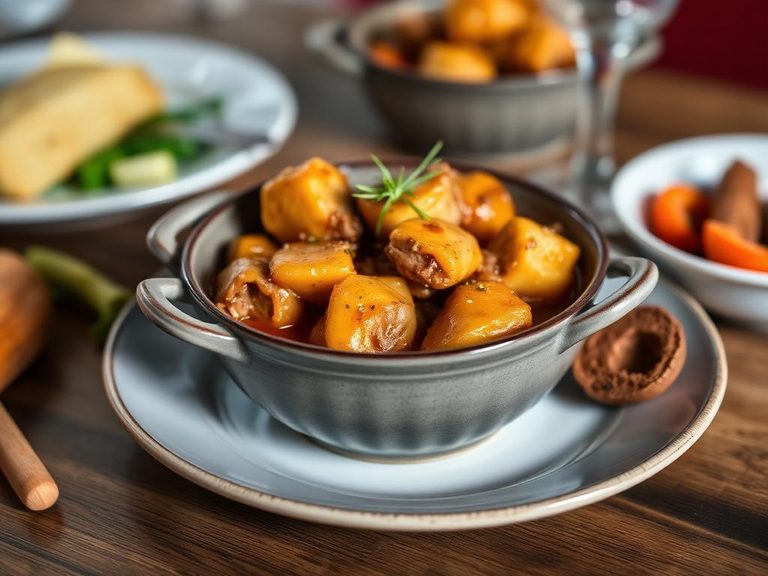
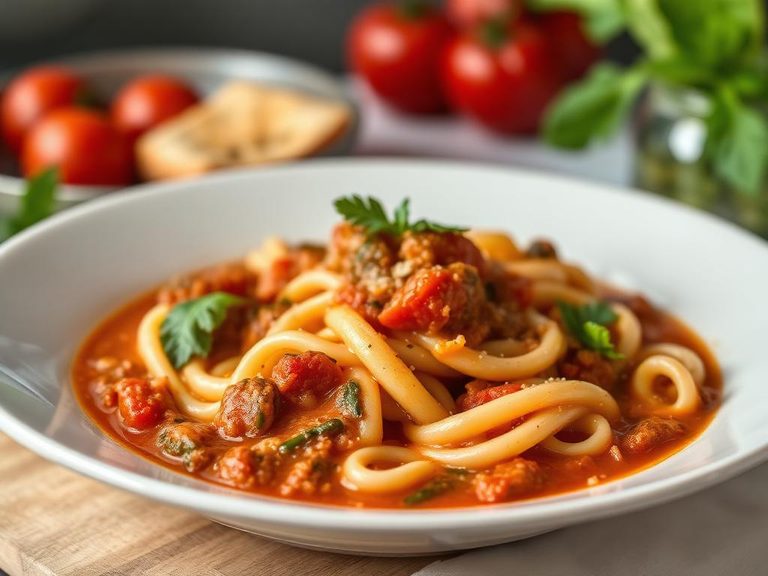
🍽️ Popular dishes
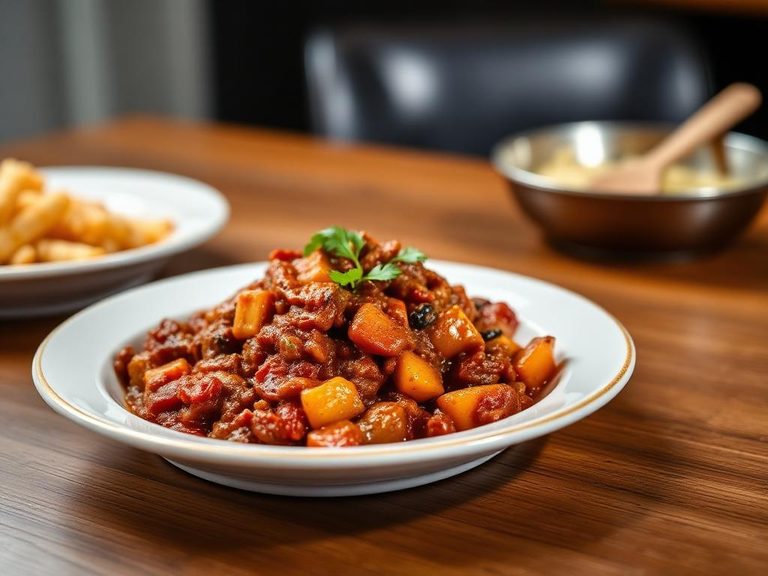
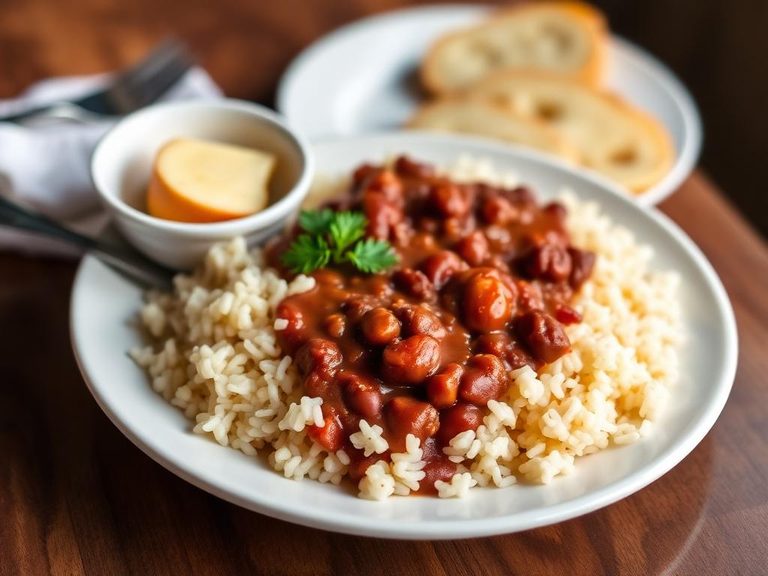
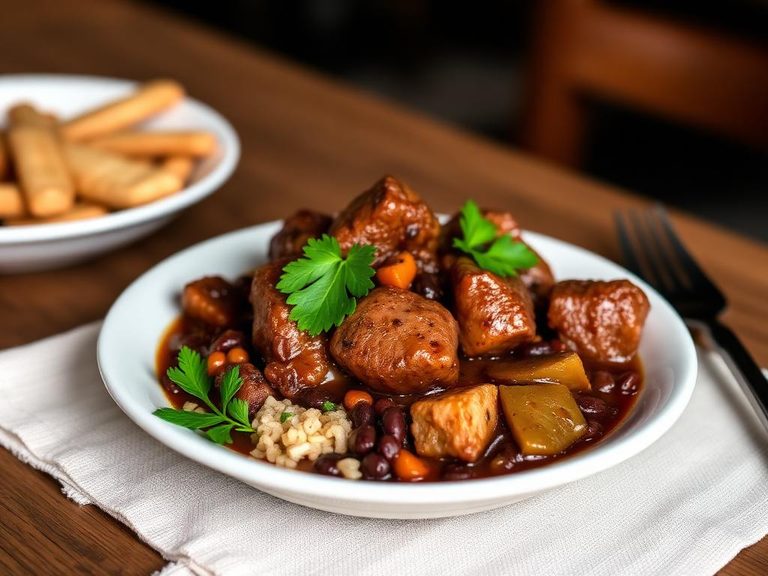
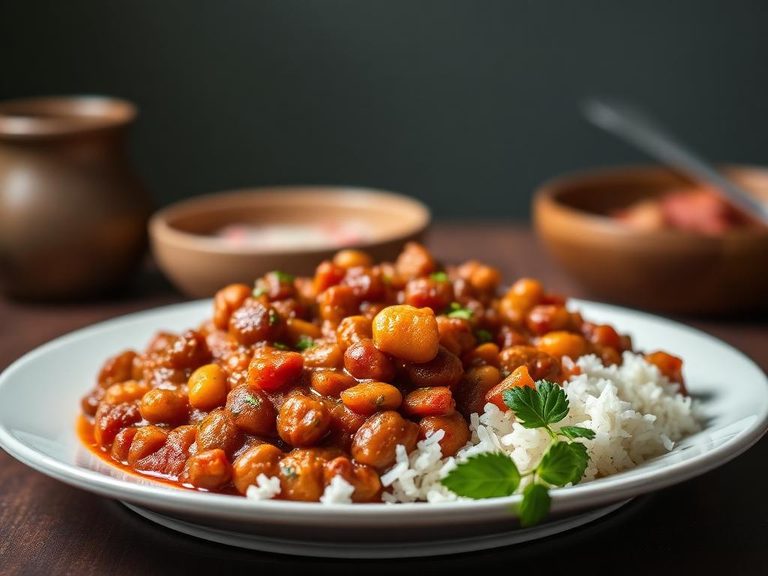
🌍 Where it's eaten
💡 Did you know?
The California red kidney bean is a specific cultivar (Phaseolus vulgaris 'California Red') developed in the 1960s, prized for its uniform size, rich color, and ability to hold its shape during cooking, making it ideal for canned products.
Full nutrition (USDA data · scales with serving)
| Water | 66.9 g |
| Energy | 124 kcal |
| Energy | 519 kj |
| Protein | 9.1 g |
| Total lipid (fat) | 0.09 g |
| Ash | 1.4 g |
| Carbohydrate, by difference | 22.4 g |
| Fiber, total dietary | 9.3 g |
| Calcium, Ca | 66.0 mg |
| Iron, Fe | 3.0 mg |
| Magnesium, Mg | 48.0 mg |
| Phosphorus, P | 137 mg |
| Potassium, K | 419 mg |
| Sodium, Na | 240 mg |
| Zinc, Zn | 0.86 mg |
| Copper, Cu | 0.29 mg |
| Manganese, Mn | 0.32 mg |
| Selenium, Se | 1.2 ug |
| Vitamin C, total ascorbic acid | 1.2 mg |
| Thiamin | 0.13 mg |
| Riboflavin | 0.06 mg |
| Niacin | 0.54 mg |
| Pantothenic acid | 0.22 mg |
| Vitamin B-6 | 0.10 mg |
| Folate, total | 74.0 ug |
| Folic acid | 0.00 ug |
| Folate, food | 74.0 ug |
| Folate, DFE | 74.0 ug |
| Vitamin B-12 | 0.00 ug |
| Vitamin A, RAE | 0.00 ug |
| Retinol | 0.00 ug |
| Vitamin A, IU | 0.00 iu |
| Vitamin D (D2 + D3), International Units | 0.00 iu |
| Vitamin D (D2 + D3) | 0.00 ug |
Fat & fatty acid profile (per 100g)
| Fatty acids, total saturated | 0.01 g |
| SFA 16:0 | 0.01 g |
| SFA 18:0 | 0.00 g |
| Fatty acids, total monounsaturated | 0.01 g |
| MUFA 18:1 | 0.01 g |
| Fatty acids, total polyunsaturated | 0.05 g |
| PUFA 18:2 | 0.02 g |
| PUFA 18:3 | 0.03 g |
| Fatty acids, total trans | 0.00 g |
| Cholesterol | 0.00 mg |
Amino acid profile (per 100g)
| Tryptophan | 0.11 g |
| Threonine | 0.38 g |
| Isoleucine | 0.40 g |
| Leucine | 0.73 g |
| Lysine | 0.63 g |
| Methionine | 0.14 g |
| Cystine | 0.10 g |
| Phenylalanine | 0.49 g |
| Tyrosine | 0.26 g |
| Valine | 0.48 g |
| Arginine | 0.56 g |
| Histidine | 0.25 g |
| Alanine | 0.38 g |
| Aspartic acid | 1.1 g |
| Glutamic acid | 1.4 g |
| Glycine | 0.36 g |
| Proline | 0.39 g |
| Serine | 0.50 g |
FAQ
What's the difference between kidney beans and red beans?
Kidney beans (like the California red) are larger, kidney-shaped, and have a tougher skin. 'Red beans' often refer to smaller, rounder varieties like small red beans used in red beans and rice. They are related but distinct cultivars with slightly different textures and flavors.
Do I need to soak dried California red kidney beans?
Yes, soaking is highly recommended. It reduces cooking time, helps break down gas-causing oligosaccharides, and ensures even cooking. Soak for 8-12 hours, then drain and rinse before boiling in fresh water.
Why are my beans still hard after cooking?
This can be due to old beans, hard water, or adding salt/acid too early. Use fresh beans, cook in soft water, and add salt or acidic ingredients (like tomatoes) only after the beans are tender. A pinch of baking soda can help soften beans in hard water.
Nutrient density (calculated · NRF9.3)
Nutrient Rich Foods index: beneficial nutrients (protein, fiber, vitamins, minerals) minus saturated fat, added sugar & sodium, per 100 kcal.
NRF9.3 index — Fulgoni, Keast & Drewnowski, 2009. Computed from USDA nutrients.
Weight-loss friendliness (composite index)
Energy density 1.24 kcal/g · 29% calories from protein · 9.3 g fiber · 0.0 g sugar per 100 g.
Composite of energy density (Rolls et al., 1999), protein & fiber satiety, minus sugar. A calculated heuristic — ranks satiety-per-calorie, not a clinical measure.
Dietary load (calculated from USDA values)
Potential renal acid load. Positive = acid-forming, negative = alkaline-forming.
Sodium-to-potassium ratio: 0.57 (lower is better — aim for ≤ 1)
Sodium:potassium per WHO potassium guidance. Computed from USDA nutrients.