

Babyfood, cereal, high protein, prepared with whole milk
Whole food · Baby Foods
This is a nutrient-dense, creamy infant cereal made from high-protein grains like wheat or oats, fortified with iron and mixed with whole milk for a smooth, porridge-like texture. It offers a mild, slightly sweet, and comforting flavor profile, with a nutrition highlight of providing 8.7 grams of high-quality protein per 100 grams to support rapid growth.
Calorie split: 30% protein · 40% carbs · 30% fat
↓ Full nutrition💚 Why it's loved
Parents love it as a reliable, nutritionally complete first food that is easy to prepare and gentle on a baby's digestive system. Its mild taste and smooth texture are often a baby's first positive experience with spoon-feeding.
⚠️ Watch-outs & how to enjoy it better
The high protein and milk content can be a concern for infants with cow's milk protein allergy or lactose intolerance. To mitigate, choose a plant-based or hydrolyzed formula version. For general digestive comfort, introduce slowly and mix with breast milk or formula instead of water initially.
Key benefits
- Excellent source of protein for infant muscle and tissue development.
- Fortified with iron to prevent deficiency and support cognitive development.
- Provides calcium and vitamin D from whole milk for bone health.
- Offers a convenient, energy-dense meal for weaning babies.
- Contains essential fatty acids from milk for brain development.
🍽️ Popular dishes
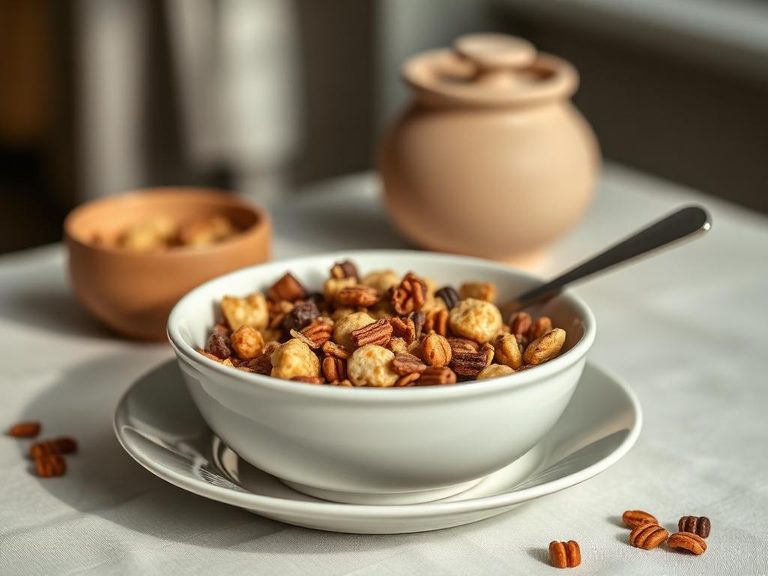
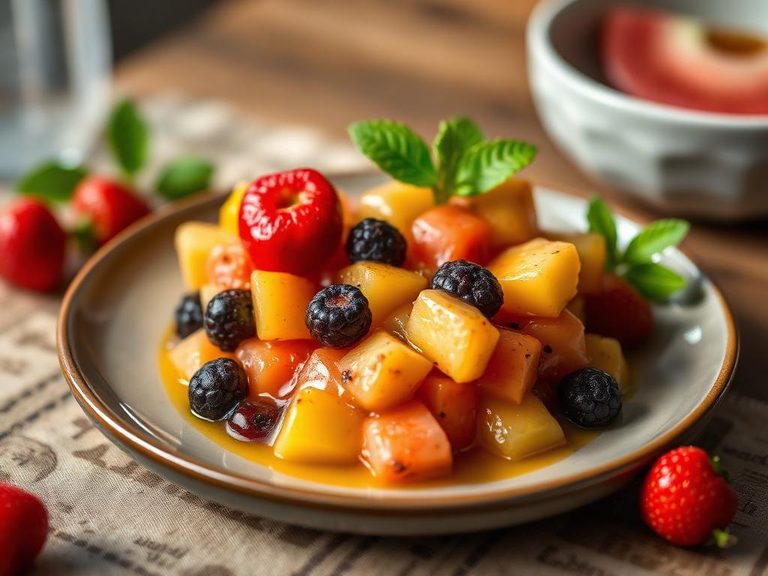
🌍 Where it's eaten
💡 Did you know?
The 'high protein' designation in baby cereals often comes from adding concentrated wheat gluten or soy protein isolate to the base grain.
Full nutrition (USDA data · scales with serving)
| Water | 74.5 g |
| Energy | 111 kcal |
| Energy | 464 kj |
| Protein | 8.7 g |
| Total lipid (fat) | 3.8 g |
| Ash | 1.5 g |
| Carbohydrate, by difference | 11.6 g |
| Calcium, Ca | 218 mg |
| Iron, Fe | 12.1 mg |
| Magnesium, Mg | 48.0 mg |
| Phosphorus, P | 177 mg |
| Potassium, K | 349 mg |
| Sodium, Na | 49.0 mg |
| Zinc, Zn | 1.0 mg |
| Copper, Cu | 0.22 mg |
| Thiamin | 0.47 mg |
| Riboflavin | 0.58 mg |
| Niacin | 5.7 mg |
| Pantothenic acid | 0.47 mg |
| Vitamin B-6 | 0.11 mg |
| Folate, total | 35.0 ug |
| Folic acid | 0.00 ug |
| Folate, food | 35.0 ug |
| Folate, DFE | 35.0 ug |
| Vitamin B-12 | 0.30 ug |
| Vitamin A, IU | 105 iu |
Fat & fatty acid profile (per 100g)
Estimated from Babyfood, grape juice, no sugar, canned — USDA does not publish this profile for Babyfood.
| Fatty acids, total saturated | 0.00 g |
| SFA 4:0 | 0.00 g |
| SFA 6:0 | 0.00 g |
| SFA 8:0 | 0.00 g |
| SFA 10:0 | 0.00 g |
| SFA 12:0 | 0.00 g |
| SFA 14:0 | 0.00 g |
| SFA 16:0 | 0.00 g |
| SFA 18:0 | 0.00 g |
| Fatty acids, total monounsaturated | 0.00 g |
| MUFA 16:1 | 0.00 g |
| MUFA 18:1 | 0.00 g |
| MUFA 20:1 | 0.00 g |
| MUFA 22:1 | 0.00 g |
| Fatty acids, total polyunsaturated | 0.00 g |
| PUFA 18:2 | 0.00 g |
| PUFA 18:3 | 0.00 g |
| PUFA 18:4 | 0.00 g |
| PUFA 20:4 | 0.00 g |
| PUFA 20:5 n-3 (EPA) | 0.00 g |
| PUFA 22:5 n-3 (DPA) | 0.00 g |
| PUFA 22:6 n-3 (DHA) | 0.00 g |
| Cholesterol | 0.00 mg |
Amino acid profile (per 100g)
| Tryptophan | 0.13 g |
| Threonine | 0.36 g |
| Isoleucine | 0.45 g |
| Leucine | 0.75 g |
| Lysine | 0.61 g |
| Methionine | 0.17 g |
| Cystine | 0.14 g |
| Phenylalanine | 0.44 g |
| Tyrosine | 0.36 g |
| Valine | 0.49 g |
| Arginine | 0.56 g |
| Histidine | 0.24 g |
| Alanine | 0.36 g |
| Aspartic acid | 0.93 g |
| Glutamic acid | 1.8 g |
| Glycine | 0.33 g |
| Proline | 0.61 g |
| Serine | 0.47 g |
FAQ
At what age can I introduce this cereal?
Typically around 4-6 months, when the baby shows signs of readiness for solids like good head control and interest in food.
Is the sugar content a concern?
This specific product lists 0g of added sugar per 100g, which is excellent. Any sweetness is likely from the natural lactose in the whole milk.
How does it differ from regular infant rice cereal?
It has significantly more protein (8.7g vs. ~1-2g) and fat, and is made with whole milk instead of water, making it more nutrient-dense and filling.
Nutrient density (calculated · NRF9.3)
Nutrient Rich Foods index: beneficial nutrients (protein, fiber, vitamins, minerals) minus saturated fat, added sugar & sodium, per 100 kcal.
NRF9.3 index — Fulgoni, Keast & Drewnowski, 2009. Computed from USDA nutrients.
Weight-loss friendliness (composite index)
Energy density 1.11 kcal/g · 31% calories from protein · 0.0 g fiber · 0.0 g sugar per 100 g.
Composite of energy density (Rolls et al., 1999), protein & fiber satiety, minus sugar. A calculated heuristic — ranks satiety-per-calorie, not a clinical measure.
Dietary load (calculated from USDA values)
Potential renal acid load. Positive = acid-forming, negative = alkaline-forming.
Sodium-to-potassium ratio: 0.14 (lower is better — aim for ≤ 1)
Sodium:potassium per WHO potassium guidance. Computed from USDA nutrients.