

Avocado dressing
Common food

Photo: Wikipedia
A creamy, emerald-green dressing that coats the tongue with the rich, buttery essence of ripe avocado, brightened by a hint of citrus. Its velvety texture is luxurious, making it a decadent yet wholesome topping. Nutritionally, it's a powerhouse of healthy monounsaturated fats, with minimal protein or carbohydrates.
Calorie split: 2% protein · 7% carbs · 91% fat
↓ Full nutrition💚 Why it's loved
People adore its rich, satisfying creaminess and the way it instantly elevates simple dishes like salads, bowls, or tacos. Its mild, fresh flavor acts as a versatile canvas for herbs, spices, and citrus.
⚠️ Watch-outs & how to enjoy it better
The high fat content makes it very calorie-dense, so portion control is key for those monitoring energy intake. It can also brown quickly due to oxidation. To counteract browning, add a splash of lemon or lime juice and store it with plastic wrap pressed directly onto the surface.
Key benefits
- Excellent source of heart-healthy monounsaturated fats
- Provides fat-soluble vitamins like Vitamin K and E
- Contains potassium, which supports electrolyte balance
- Offers a creamy texture without dairy
- Can help increase absorption of fat-soluble nutrients from other foods
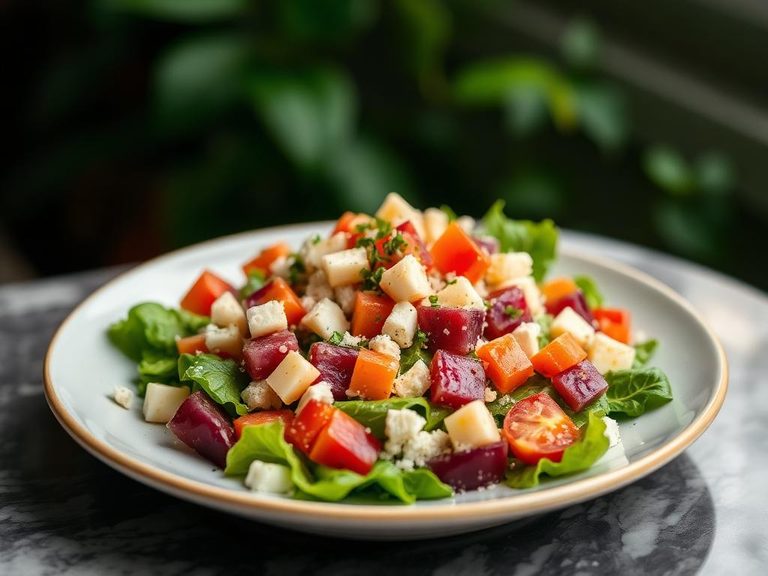
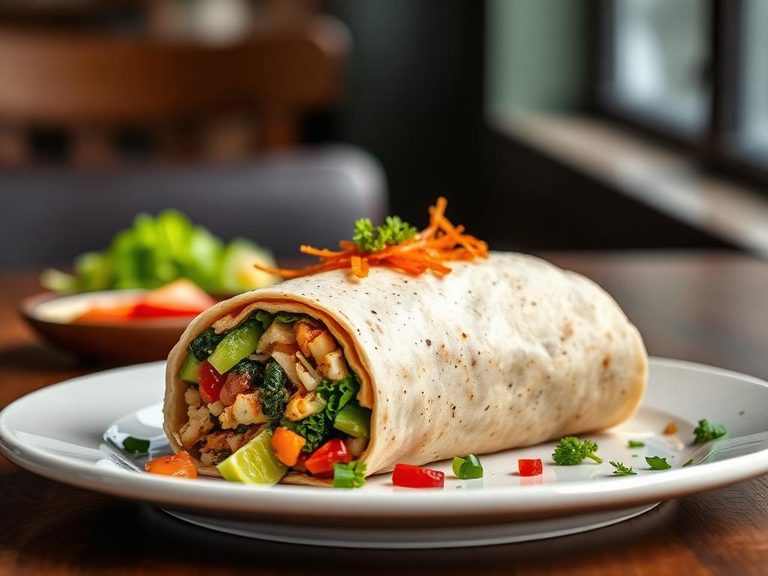
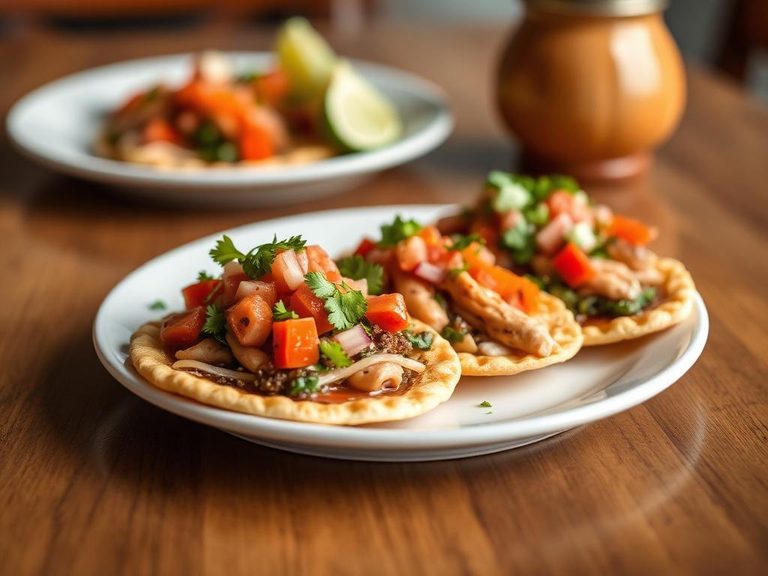
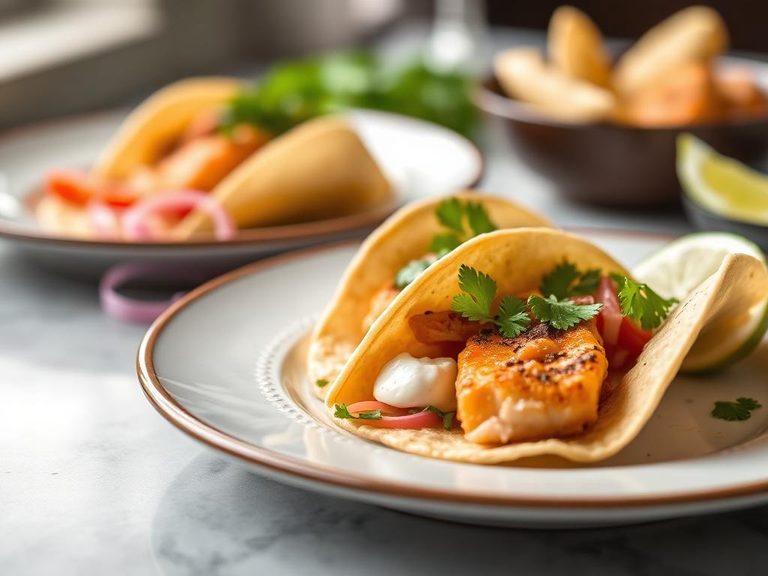
🍽️ Popular dishes
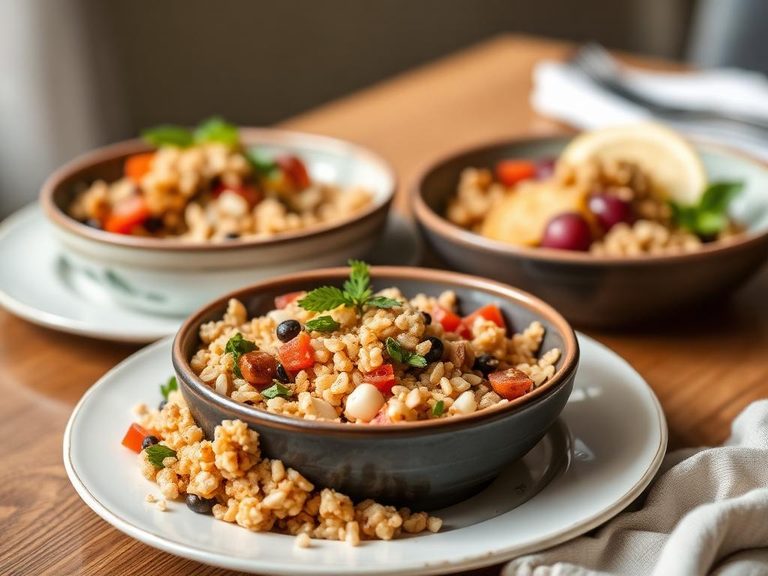
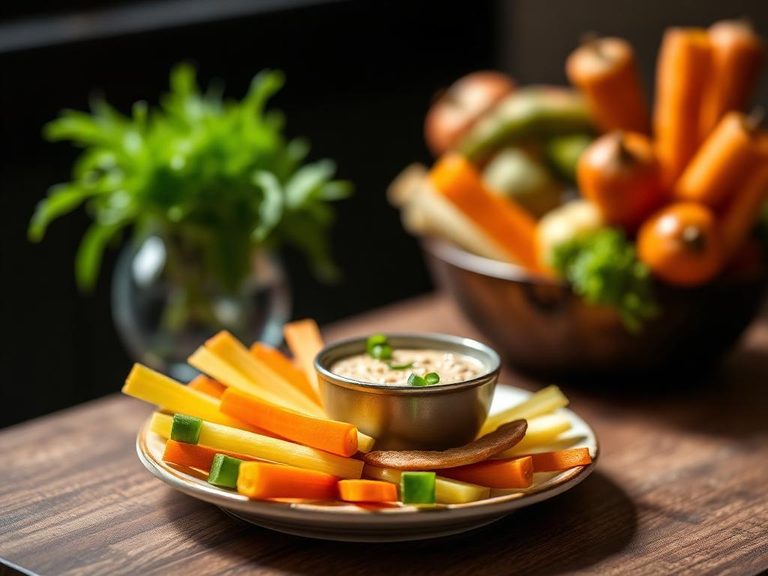
🌍 Where it's eaten
💡 Did you know?
The browning of avocado dressing is caused by an enzyme called polyphenol oxidase reacting with oxygen, a process that can be significantly slowed by adding an acidic ingredient like lime juice.
Full nutrition (USDA data · scales with serving)
| Water | 45.0 g |
| Energy | 427 kcal |
| Protein | 1.9 g |
| Total lipid (fat) | 43.3 g |
| Carbohydrate, by difference | 7.4 g |
| Fiber, total dietary | 0.10 g |
| Total Sugars | 6.7 g |
| Calcium, Ca | 34.0 mg |
| Iron, Fe | 0.35 mg |
| Magnesium, Mg | 7.0 mg |
| Phosphorus, P | 31.0 mg |
| Potassium, K | 58.0 mg |
| Sodium, Na | 867 mg |
| Zinc, Zn | 0.25 mg |
| Copper, Cu | 0.01 mg |
| Selenium, Se | 1.6 ug |
| Vitamin C, total ascorbic acid | 0.20 mg |
| Thiamin | 0.02 mg |
| Riboflavin | 0.05 mg |
| Niacin | 0.14 mg |
| Vitamin B-6 | 0.01 mg |
| Folate, total | 4.0 ug |
| Folic acid | 0.00 ug |
| Folate, food | 4.0 ug |
| Folate, DFE | 4.0 ug |
| Choline, total | 3.6 mg |
| Vitamin B-12 | 0.26 ug |
| Vitamin B-12, added | 0.00 ug |
| Vitamin A, RAE | 10.0 ug |
| Retinol | 10.0 ug |
| Carotene, beta | 3.0 ug |
| Carotene, alpha | 1.0 ug |
| Cryptoxanthin, beta | 1.0 ug |
| Lycopene | 0.00 ug |
| Lutein + zeaxanthin | 39.0 ug |
| Vitamin E (alpha-tocopherol) | 4.6 mg |
| Vitamin E, added | 0.00 mg |
| Vitamin D (D2 + D3) | 0.00 ug |
| Vitamin K (phylloquinone) | 96.7 ug |
| Alcohol, ethyl | 0.00 g |
| Caffeine | 0.00 mg |
| Theobromine | 0.00 mg |
Fat & fatty acid profile (per 100g)
| Fatty acids, total saturated | 6.0 g |
| SFA 4:0 | 0.02 g |
| SFA 6:0 | 0.01 g |
| SFA 8:0 | 0.01 g |
| SFA 10:0 | 0.01 g |
| SFA 12:0 | 0.01 g |
| SFA 14:0 | 0.09 g |
| SFA 16:0 | 4.3 g |
| SFA 18:0 | 1.6 g |
| Fatty acids, total monounsaturated | 9.4 g |
| MUFA 16:1 | 0.09 g |
| MUFA 18:1 | 9.3 g |
| MUFA 20:1 | 0.08 g |
| MUFA 22:1 | 0.00 g |
| Fatty acids, total polyunsaturated | 23.2 g |
| PUFA 18:2 | 20.4 g |
| PUFA 18:3 | 2.7 g |
| PUFA 18:4 | 0.00 g |
| PUFA 20:4 | 0.00 g |
| PUFA 20:5 n-3 (EPA) | 0.00 g |
| PUFA 22:5 n-3 (DPA) | 0.00 g |
| PUFA 22:6 n-3 (DHA) | 0.00 g |
| Cholesterol | 40.0 mg |
FAQ
Why is my avocado dressing bitter?
Bitterness often comes from the avocado pit or skin being blended in, or from using underripe avocados. Use only the green flesh and ensure your avocados are fully ripe for the best flavor.
How can I make it thinner?
Thin it with a small amount of cold water, extra lime juice, or a neutral oil like avocado oil, adding a teaspoon at a time until you reach your desired consistency.
Is it healthy for weight loss?
While nutritious, its high calorie density means it should be used mindfully. A tablespoon or two can add satisfying flavor and healthy fats to a meal without excessive calories.
Nutrient density (calculated · NRF9.3)
Nutrient Rich Foods index: beneficial nutrients (protein, fiber, vitamins, minerals) minus saturated fat, added sugar & sodium, per 100 kcal.
NRF9.3 index — Fulgoni, Keast & Drewnowski, 2009. Computed from USDA nutrients.
Weight-loss friendliness (composite index)
Energy density 4.27 kcal/g · 2% calories from protein · 0.1 g fiber · 6.7 g sugar per 100 g.
Composite of energy density (Rolls et al., 1999), protein & fiber satiety, minus sugar. A calculated heuristic — ranks satiety-per-calorie, not a clinical measure.
Dietary load (calculated from USDA values)
Potential renal acid load. Positive = acid-forming, negative = alkaline-forming.
Sodium-to-potassium ratio: 14.95 (lower is better — aim for ≤ 1)
Sodium:potassium per WHO potassium guidance. Computed from USDA nutrients.