

Apricots, canned, heavy syrup pack, without skin, solids and liquids
Whole food · Fruits and Fruit Juices

Photo: Wikipedia
Canned apricots in heavy syrup are golden, tender fruit segments preserved in a sweet, viscous liquid. They offer a soft, melt-in-the-mouth texture with a concentrated, honeyed apricot flavor. Nutritionally, they provide a quick source of energy from carbohydrates, with minimal fat and protein.
Calorie split: 2% protein · 97% carbs · 1% fat
↓ Full nutrition💚 Why it's loved
People love them for their intense, sweet flavor and soft, spoonable texture, making them a nostalgic comfort food. They are incredibly versatile, easily added to desserts, salads, or eaten straight from the can.
⚠️ Watch-outs & how to enjoy it better
The heavy syrup adds significant sugar, which can cause blood sugar spikes, making them a less ideal choice for those managing diabetes or seeking low-sugar options. To counteract this, pair them with a source of protein or healthy fat (like yogurt or nuts) and practice portion control, or opt for apricots packed in water or their own juice.
Key benefits
- Quick source of energy from carbohydrates
- Provides dietary fiber for digestive health
- Contains beta-carotene, a precursor to vitamin A
- Convenient and shelf-stable fruit option
- Can be used in both sweet and savory cooking
🍽️ Popular dishes
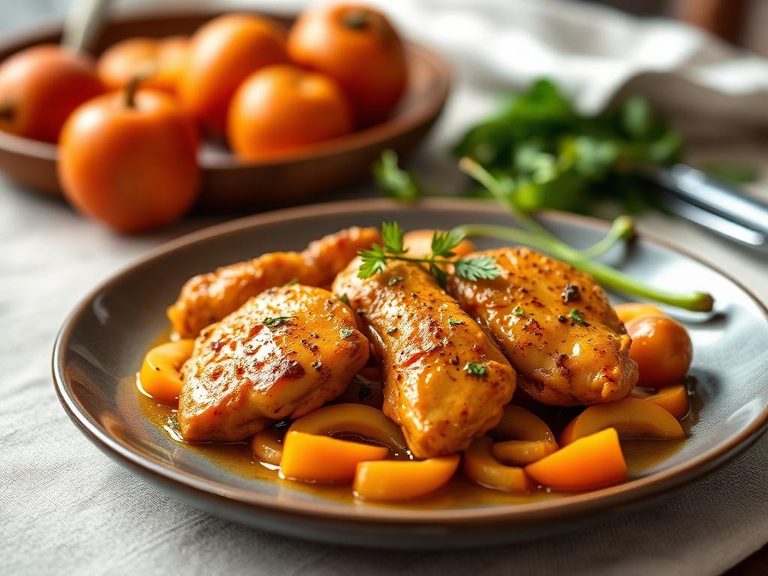

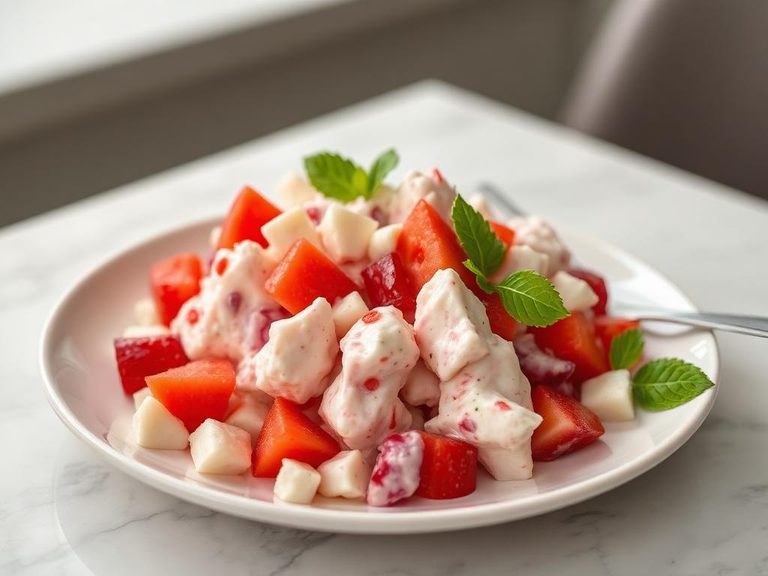


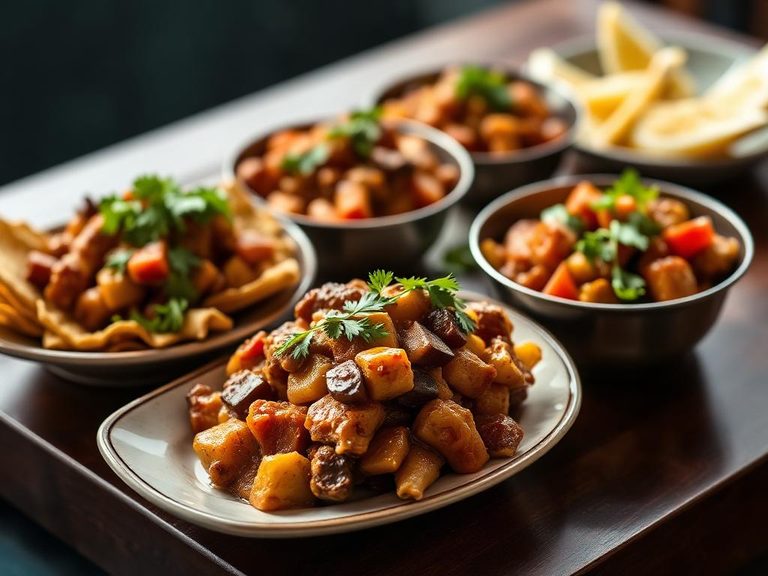
🌍 Where it's eaten
💡 Did you know?
The apricot is often called the 'sunshine fruit' due to its vibrant orange color, which comes from high levels of beta-carotene, an antioxidant that the body converts into vitamin A.
Full nutrition (USDA data · scales with serving)
| Water | 77.7 g |
| Energy | 83.0 kcal |
| Energy | 347 kj |
| Protein | 0.51 g |
| Total lipid (fat) | 0.09 g |
| Ash | 0.29 g |
| Carbohydrate, by difference | 21.4 g |
| Fiber, total dietary | 1.6 g |
| Calcium, Ca | 9.0 mg |
| Iron, Fe | 0.43 mg |
| Magnesium, Mg | 8.0 mg |
| Phosphorus, P | 13.0 mg |
| Potassium, K | 134 mg |
| Sodium, Na | 11.0 mg |
| Zinc, Zn | 0.10 mg |
| Copper, Cu | 0.07 mg |
| Manganese, Mn | 0.05 mg |
| Vitamin C, total ascorbic acid | 2.8 mg |
| Thiamin | 0.02 mg |
| Riboflavin | 0.02 mg |
| Niacin | 0.42 mg |
| Pantothenic acid | 0.09 mg |
| Vitamin B-6 | 0.05 mg |
| Folate, total | 2.0 ug |
| Folic acid | 0.00 ug |
| Folate, food | 2.0 ug |
| Folate, DFE | 2.0 ug |
| Vitamin B-12 | 0.00 ug |
| Vitamin A, RAE | 62.0 ug |
| Retinol | 0.00 ug |
| Vitamin A, IU | 1240 iu |
| Vitamin D (D2 + D3), International Units | 0.00 iu |
| Vitamin D (D2 + D3) | 0.00 ug |
Fat & fatty acid profile (per 100g)
| Fatty acids, total saturated | 0.01 g |
| SFA 16:0 | 0.01 g |
| SFA 18:0 | 0.00 g |
| Fatty acids, total monounsaturated | 0.04 g |
| MUFA 18:1 | 0.04 g |
| Fatty acids, total polyunsaturated | 0.02 g |
| PUFA 18:2 | 0.02 g |
| Fatty acids, total trans | 0.00 g |
| Cholesterol | 0.00 mg |
Amino acid profile (per 100g)
| Tryptophan | 0.01 g |
| Threonine | 0.02 g |
| Isoleucine | 0.02 g |
| Leucine | 0.03 g |
| Lysine | 0.04 g |
| Methionine | 0.00 g |
| Cystine | 0.00 g |
| Phenylalanine | 0.02 g |
| Tyrosine | 0.01 g |
| Valine | 0.02 g |
| Arginine | 0.02 g |
| Histidine | 0.01 g |
| Alanine | 0.03 g |
| Aspartic acid | 0.12 g |
| Glutamic acid | 0.05 g |
| Glycine | 0.02 g |
| Proline | 0.03 g |
| Serine | 0.03 g |
FAQ
Are canned apricots as nutritious as fresh ones?
Canned apricots retain most of their vitamins and minerals, but the heavy syrup adds significant sugar. For a healthier option, choose apricots packed in water or 100% juice.
How long do canned apricots last after opening?
Once opened, transfer the apricots and their syrup to an airtight container and refrigerate. They will keep for 3-5 days.
Can I use canned apricots in savory dishes?
Yes, they pair well with meats like chicken or pork in tagines, stews, or glazes, adding a sweet and tangy element.
Nutrient density (calculated · NRF9.3)
Nutrient Rich Foods index: beneficial nutrients (protein, fiber, vitamins, minerals) minus saturated fat, added sugar & sodium, per 100 kcal.
NRF9.3 index — Fulgoni, Keast & Drewnowski, 2009. Computed from USDA nutrients.
Weight-loss friendliness (composite index)
Energy density 0.83 kcal/g · 2% calories from protein · 1.6 g fiber · 0.0 g sugar per 100 g.
Composite of energy density (Rolls et al., 1999), protein & fiber satiety, minus sugar. A calculated heuristic — ranks satiety-per-calorie, not a clinical measure.
Dietary load (calculated from USDA values)
Potential renal acid load. Positive = acid-forming, negative = alkaline-forming.
Sodium-to-potassium ratio: 0.08 (lower is better — aim for ≤ 1)
Sodium:potassium per WHO potassium guidance. Computed from USDA nutrients.