

Apples, fuji, with skin, raw
Whole food · Fruits and Fruit Juices
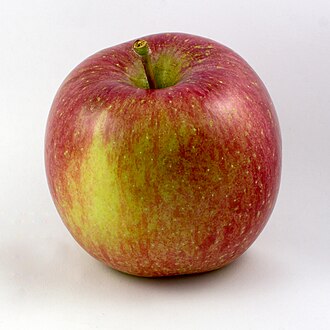
Photo: Wikipedia
The Fuji apple is a crisp, exceptionally sweet variety with a dense, juicy flesh and a thin, edible skin. Its balanced sugar-to-acid ratio and firm texture make it a standout for fresh eating. Nutritionally, it's a low-calorie source of quick energy and dietary fiber.
Calorie split: 1% protein · 97% carbs · 2% fat
↓ Full nutrition💚 Why it's loved
People adore the Fuji for its reliable, candy-like sweetness and satisfying crunch that holds up well. It's a versatile snack, perfect for lunchboxes, salads, and cheese boards.
⚠️ Watch-outs & how to enjoy it better
Its high natural sugar content can cause blood-sugar spikes if eaten alone in large quantities. To counteract this, pair it with a source of protein or fat like peanut butter, cheese, or nuts to slow sugar absorption.
Key benefits
- Provides quick, natural energy from carbohydrates.
- Good source of dietary fiber for digestive health.
- Contains vitamin C, an antioxidant.
- Low in fat and protein.
- High water content aids hydration.
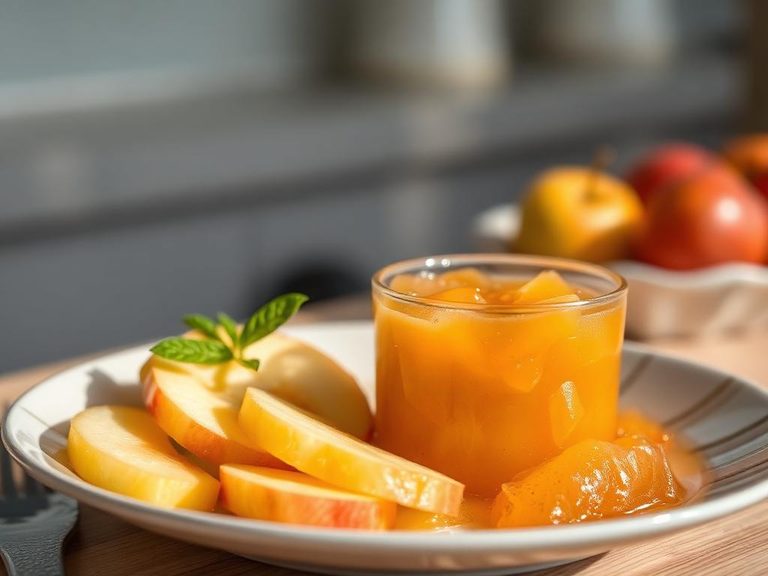
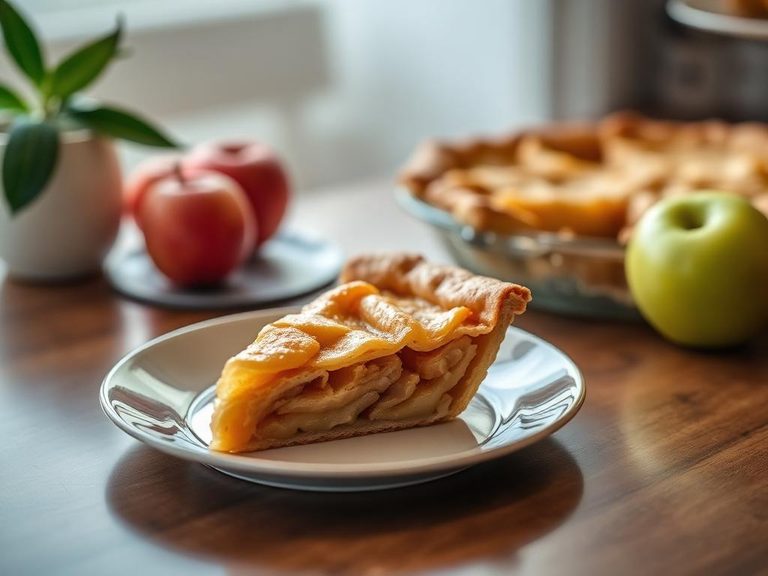
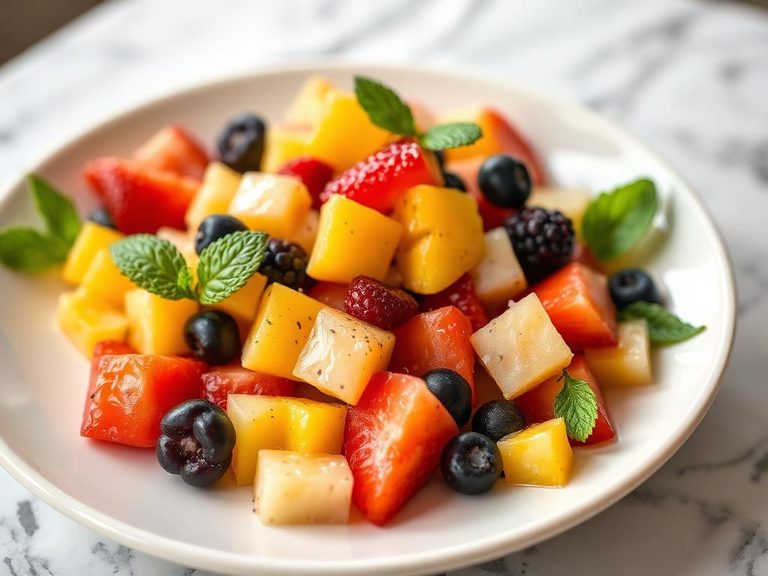
🍽️ Popular dishes
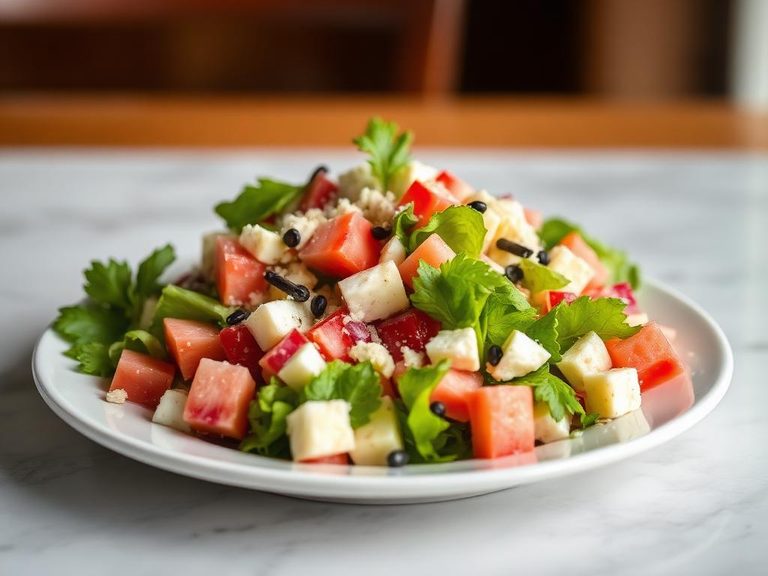
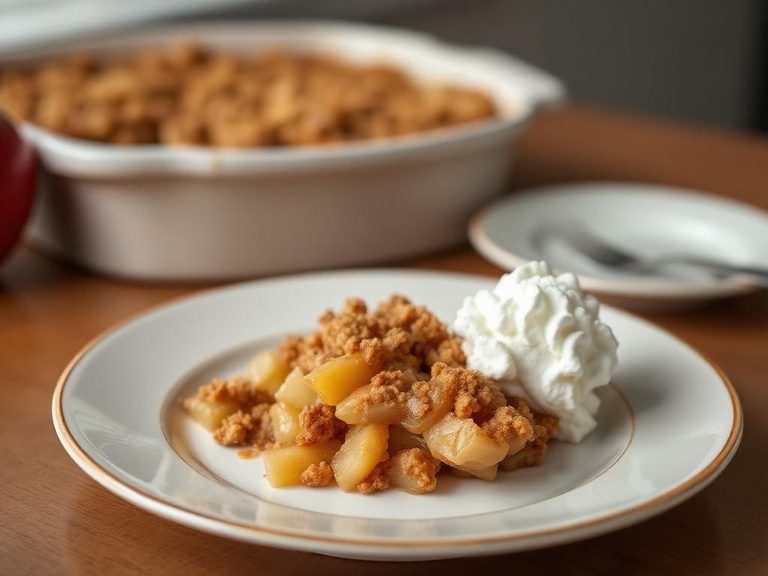
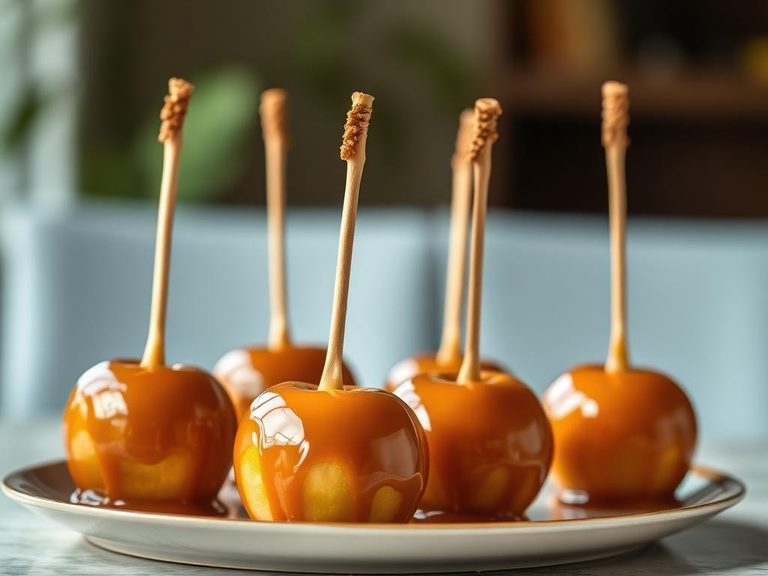
🌍 Where it's eaten
💡 Did you know?
The Fuji apple was developed in the 1930s at a research station in Fujisaki, Japan, and is a cross between two American apple varieties: Red Delicious and Ralls Janet.
Full nutrition (USDA data · scales with serving)
| Water | 83.6 g |
| Energy (Atwater General Factors) | 64.7 kcal |
| Energy (Atwater Specific Factors) | 58.2 kcal |
| Nitrogen | 0.02 g |
| Protein | 0.15 g |
| Total lipid (fat) | 0.16 g |
| Ash | 0.43 g |
| Carbohydrate, by difference | 15.7 g |
| Carbohydrate, by summation | 15.4 g |
| Fiber, total dietary | 2.1 g |
| Sugars, Total | 13.3 g |
| Total Sugars | 13.3 g |
| Sucrose | 1.7 g |
| Glucose | 3.0 g |
| Fructose | 8.6 g |
| Lactose | 0.00 g |
| Maltose | 0.00 g |
| Calcium, Ca | 6.0 mg |
| Iron, Fe | 0.01 mg |
| Magnesium, Mg | 4.7 mg |
| Phosphorus, P | 9.8 mg |
| Potassium, K | 104 mg |
| Sodium, Na | 1.0 mg |
| Zinc, Zn | 0.02 mg |
| Copper, Cu | 0.03 mg |
| Manganese, Mn | 0.03 mg |
| Thiamin | 0.01 mg |
| Riboflavin | 0.07 mg |
| Niacin | 0.09 mg |
| Vitamin B-6 | 0.04 mg |
| Folate, total | 0.00 ug |
Fat & fatty acid profile (per 100g)
Estimated from Applesauce, canned, unsweetened, with added ascorbic acid — USDA does not publish this profile for Apples.
| Fatty acids, total saturated | 0.01 g |
| SFA 16:0 | 0.01 g |
| SFA 18:0 | 0.00 g |
| Fatty acids, total monounsaturated | 0.00 g |
| MUFA 18:1 | 0.00 g |
| Fatty acids, total polyunsaturated | 0.01 g |
| PUFA 18:2 | 0.01 g |
| PUFA 18:3 | 0.00 g |
| Fatty acids, total trans | 0.00 g |
| Cholesterol | 0.00 mg |
Amino acid profile (per 100g)
Estimated from Applesauce, canned, unsweetened, with added ascorbic acid — USDA does not publish this profile for Apples.
| Tryptophan | 0.00 g |
| Threonine | 0.01 g |
| Isoleucine | 0.01 g |
| Leucine | 0.01 g |
| Lysine | 0.01 g |
| Methionine | 0.00 g |
| Cystine | 0.00 g |
| Phenylalanine | 0.01 g |
| Tyrosine | 0.00 g |
| Valine | 0.01 g |
| Arginine | 0.01 g |
| Histidine | 0.00 g |
| Alanine | 0.01 g |
| Aspartic acid | 0.03 g |
| Glutamic acid | 0.02 g |
| Glycine | 0.01 g |
| Proline | 0.01 g |
| Serine | 0.01 g |
FAQ
What makes Fuji apples different from other varieties?
Fuji apples are distinguished by their exceptionally high sugar content, dense and crisp texture, and a milder, less tart flavor compared to varieties like Granny Smith.
Are Fuji apples good for baking?
Yes, their dense flesh holds its shape well when cooked, making them suitable for pies and crisps, though they will become very sweet. Some bakers mix them with tarter apples for balance.
How should I store them to keep them fresh?
For the longest shelf life, store Fuji apples in the crisper drawer of your refrigerator, where they can remain crisp and fresh for several weeks.
Nutrient density (calculated · NRF9.3)
Nutrient Rich Foods index: beneficial nutrients (protein, fiber, vitamins, minerals) minus saturated fat, added sugar & sodium, per 100 kcal.
NRF9.3 index — Fulgoni, Keast & Drewnowski, 2009. Computed from USDA nutrients.
Weight-loss friendliness (composite index)
Energy density 0.65 kcal/g · 1% calories from protein · 2.1 g fiber · 13.3 g sugar per 100 g.
Composite of energy density (Rolls et al., 1999), protein & fiber satiety, minus sugar. A calculated heuristic — ranks satiety-per-calorie, not a clinical measure.
Dietary load (calculated from USDA values)
Potential renal acid load. Positive = acid-forming, negative = alkaline-forming.
Sodium-to-potassium ratio: 0.01 (lower is better — aim for ≤ 1)
Sodium:potassium per WHO potassium guidance. Computed from USDA nutrients.