

Apple juice, 100%
Common food
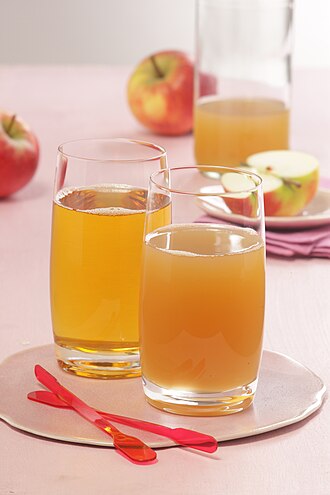
Photo: Wikipedia
A clear, golden-hued beverage made from the pressed flesh of apples, offering a crisp, sweet, and slightly tart flavor with a smooth, thin texture. Nutritionally, it's a concentrated source of natural sugars and carbohydrates, providing quick energy with minimal protein or fat.
Calorie split: 1% protein · 95% carbs · 5% fat
↓ Full nutrition💚 Why it's loved
People love its pure, refreshing apple flavor that's both sweet and tangy, making it a universally appealing drink. It's incredibly versatile, enjoyed chilled on its own, as a base for cocktails and smoothies, or even used in cooking and baking.
⚠️ Watch-outs & how to enjoy it better
Its high natural sugar content (over 10g per 100g) can cause rapid blood-sugar spikes, which is a concern for diabetics or those managing insulin resistance. To mitigate this, pair it with a source of protein or healthy fat (like nuts or cheese) to slow sugar absorption, or dilute it with water or sparkling water to reduce the glycemic load per serving.
Key benefits
- Provides quick energy from natural fruit sugars.
- Contains small amounts of vitamin C and potassium.
- Hydrating and a palatable way to increase fruit intake.
- Naturally free of fat, cholesterol, and sodium.
- A familiar, kid-friendly beverage option.
🍽️ Popular dishes
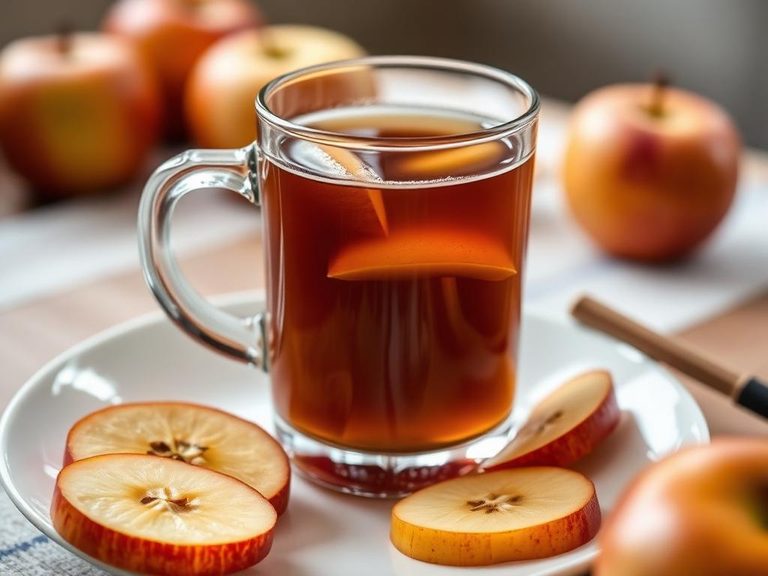

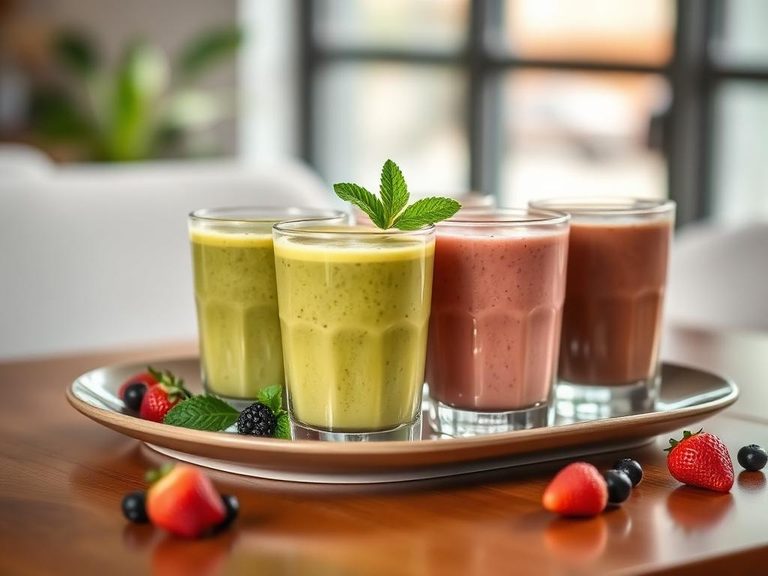
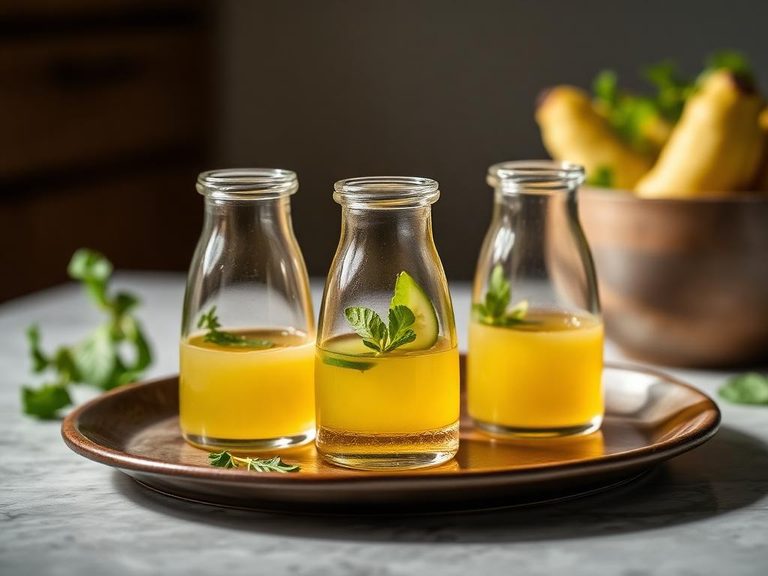
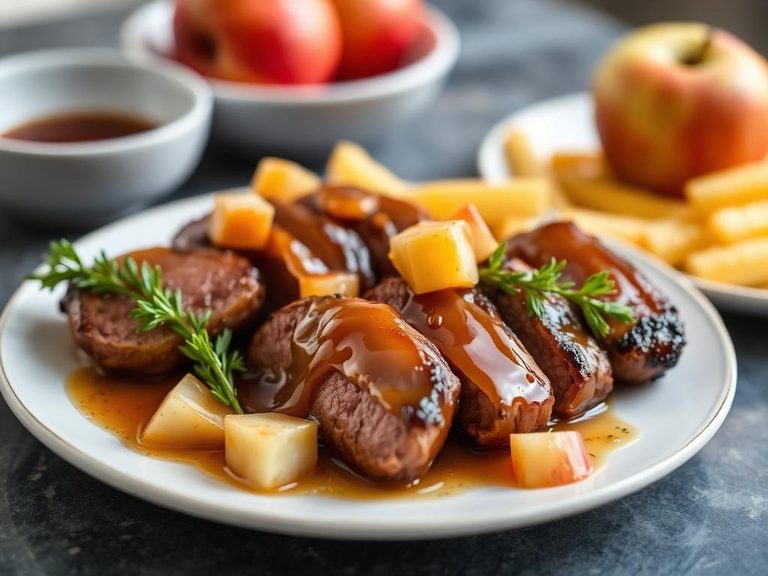
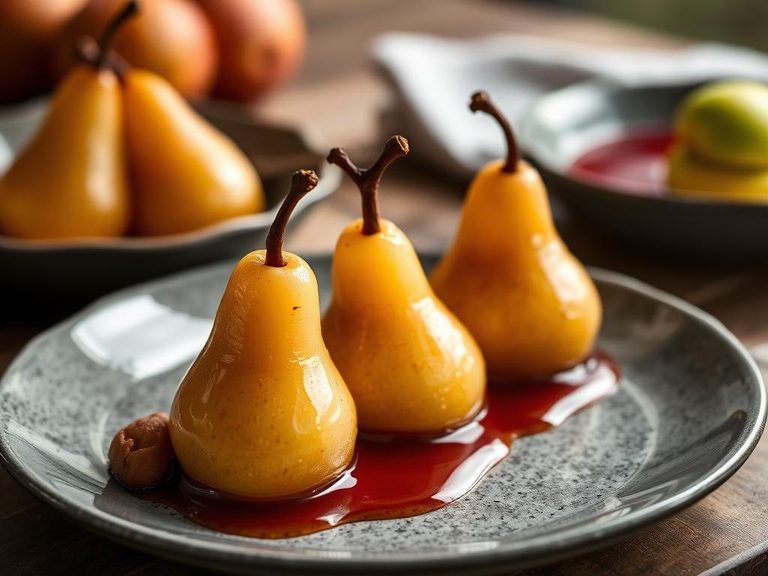
🌍 Where it's eaten
💡 Did you know?
It takes about 36-40 apples to produce one gallon (3.78 liters) of apple juice.
Full nutrition (USDA data · scales with serving)
| Water | 88.2 g |
| Energy | 48.0 kcal |
| Protein | 0.09 g |
| Total lipid (fat) | 0.25 g |
| Carbohydrate, by difference | 11.3 g |
| Fiber, total dietary | 0.20 g |
| Total Sugars | 10.1 g |
| Calcium, Ca | 7.0 mg |
| Iron, Fe | 0.06 mg |
| Magnesium, Mg | 5.0 mg |
| Phosphorus, P | 6.0 mg |
| Potassium, K | 97.0 mg |
| Sodium, Na | 5.0 mg |
| Zinc, Zn | 0.00 mg |
| Copper, Cu | 0.01 mg |
| Selenium, Se | 0.10 ug |
| Vitamin C, total ascorbic acid | 38.6 mg |
| Thiamin | 0.01 mg |
| Riboflavin | 0.02 mg |
| Niacin | 0.03 mg |
| Vitamin B-6 | 0.01 mg |
| Folate, total | 2.0 ug |
| Folic acid | 0.00 ug |
| Folate, food | 2.0 ug |
| Folate, DFE | 2.0 ug |
| Choline, total | 1.8 mg |
| Vitamin B-12 | 0.00 ug |
| Vitamin B-12, added | 0.00 ug |
| Vitamin A, RAE | 0.00 ug |
| Retinol | 0.00 ug |
| Carotene, beta | 0.00 ug |
| Carotene, alpha | 0.00 ug |
| Cryptoxanthin, beta | 0.00 ug |
| Lycopene | 0.00 ug |
| Lutein + zeaxanthin | 16.0 ug |
| Vitamin E (alpha-tocopherol) | 0.01 mg |
| Vitamin E, added | 0.00 mg |
| Vitamin D (D2 + D3) | 0.00 ug |
| Vitamin K (phylloquinone) | 0.00 ug |
| Alcohol, ethyl | 0.00 g |
| Caffeine | 0.00 mg |
| Theobromine | 0.00 mg |
Fat & fatty acid profile (per 100g)
| Fatty acids, total saturated | 0.02 g |
| SFA 4:0 | 0.00 g |
| SFA 6:0 | 0.00 g |
| SFA 8:0 | 0.00 g |
| SFA 10:0 | 0.00 g |
| SFA 12:0 | 0.00 g |
| SFA 14:0 | 0.00 g |
| SFA 16:0 | 0.02 g |
| SFA 18:0 | 0.00 g |
| Fatty acids, total monounsaturated | 0.01 g |
| MUFA 16:1 | 0.00 g |
| MUFA 18:1 | 0.01 g |
| MUFA 20:1 | 0.00 g |
| MUFA 22:1 | 0.00 g |
| Fatty acids, total polyunsaturated | 0.04 g |
| PUFA 18:2 | 0.03 g |
| PUFA 18:3 | 0.01 g |
| PUFA 18:4 | 0.00 g |
| PUFA 20:4 | 0.00 g |
| PUFA 20:5 n-3 (EPA) | 0.00 g |
| PUFA 22:5 n-3 (DPA) | 0.00 g |
| PUFA 22:6 n-3 (DHA) | 0.00 g |
| Cholesterol | 0.00 mg |
FAQ
Is apple juice as healthy as eating a whole apple?
No. Juicing removes most of the beneficial dietary fiber found in the apple's skin and pulp, which helps regulate sugar absorption and promotes fullness. The juice is more concentrated in sugar and calories per volume.
What does '100% juice' mean on the label?
It means the product is made entirely from juice, with no added sugars, water, or other ingredients. However, it may still be a concentrate that has been reconstituted with water.
Is the sugar in apple juice the same as in soda?
The sugar is primarily fructose and glucose, which are natural fruit sugars, not added refined sugars like high-fructose corn syrup in soda. However, your body metabolizes the free sugars in juice very similarly, leading to a similar blood sugar response.
Nutrient density (calculated · NRF9.3)
Nutrient Rich Foods index: beneficial nutrients (protein, fiber, vitamins, minerals) minus saturated fat, added sugar & sodium, per 100 kcal.
NRF9.3 index — Fulgoni, Keast & Drewnowski, 2009. Computed from USDA nutrients.
Weight-loss friendliness (composite index)
Energy density 0.48 kcal/g · 1% calories from protein · 0.2 g fiber · 10.1 g sugar per 100 g.
Composite of energy density (Rolls et al., 1999), protein & fiber satiety, minus sugar. A calculated heuristic — ranks satiety-per-calorie, not a clinical measure.
Dietary load (calculated from USDA values)
Potential renal acid load. Positive = acid-forming, negative = alkaline-forming.
Sodium-to-potassium ratio: 0.05 (lower is better — aim for ≤ 1)
Sodium:potassium per WHO potassium guidance. Computed from USDA nutrients.