

Animal fat or drippings
Common food

Photo: Wikipedia
Animal fat or drippings are the rendered, liquid gold collected from cooking meats like beef, pork, or poultry. They possess a rich, savory flavor and a smooth, luxurious mouthfeel that transforms dishes. Nutritionally, it is an extremely dense source of energy, composed almost entirely of fat.
Calorie split: 1% protein · 0% carbs · 99% fat
↓ Full nutrition💚 Why it's loved
People cherish it for the unparalleled depth of savory, umami flavor it imparts to everything from roasted potatoes to pie crusts. It's a versatile cooking fat that connects modern cooks to traditional, resourceful culinary practices.
⚠️ Watch-outs & how to enjoy it better
As a pure fat, it is extremely calorie-dense and high in saturated fat, which requires mindful portioning for those managing heart health or calorie intake. To counteract this, use it as a flavor enhancer rather than the primary fat, and balance meals with ample fiber-rich vegetables and lean proteins.
Key benefits
- High smoke point for stable high-heat cooking
- Concentrated source of fat-soluble vitamins like A, D, E, K
- Enhances the flavor and mouthfeel of vegetables and grains
- Traditional, zero-waste cooking medium in many cuisines
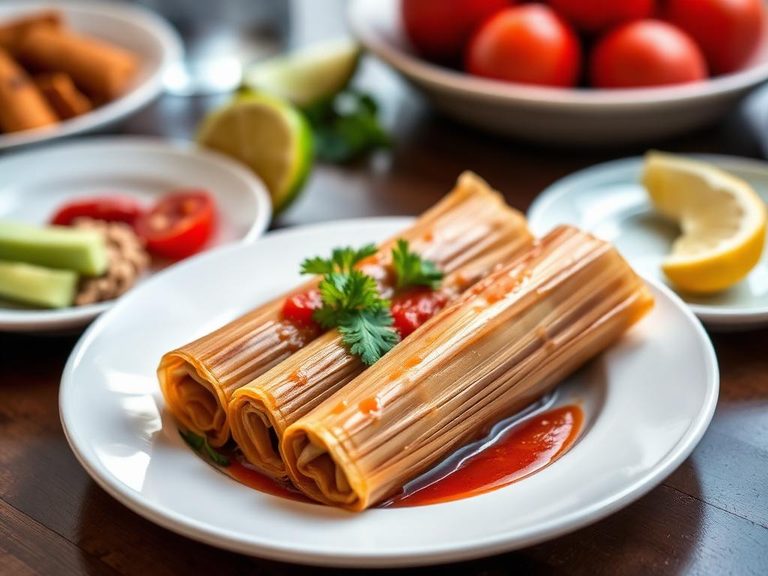
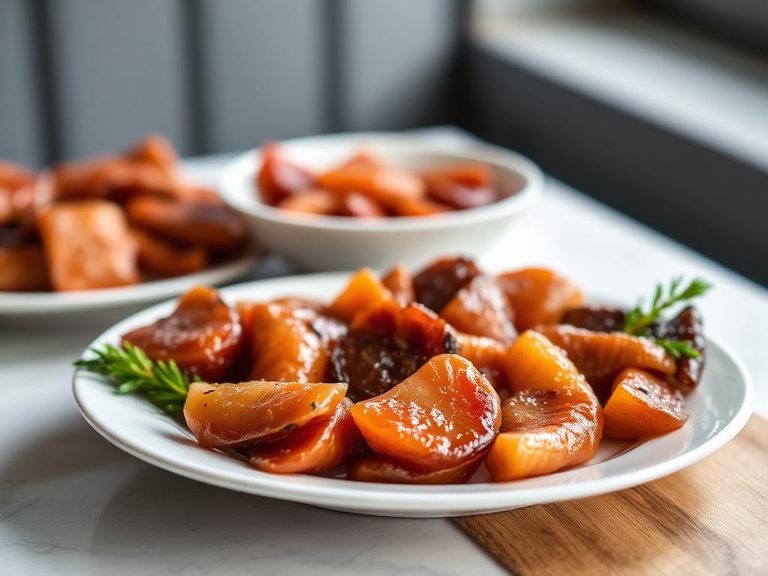
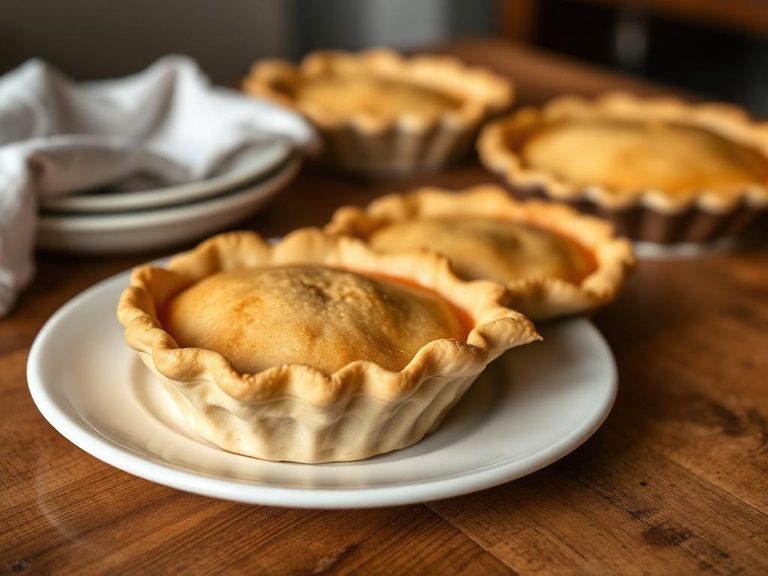
🍽️ Popular dishes


🌍 Where it's eaten
💡 Did you know?
The practice of saving and reusing drippings was so fundamental to historical household management that a specific container, often called a 'drip pan' or 'fat jar,' was a standard kitchen utensil.
Full nutrition (USDA data · scales with serving)
| Water | 3.9 g |
| Energy | 841 kcal |
| Protein | 2.2 g |
| Total lipid (fat) | 92.2 g |
| Carbohydrate, by difference | 0.00 g |
| Fiber, total dietary | 0.00 g |
| Total Sugars | 0.00 g |
| Calcium, Ca | 5.0 mg |
| Iron, Fe | 0.23 mg |
| Magnesium, Mg | 1.0 mg |
| Phosphorus, P | 13.0 mg |
| Potassium, K | 21.0 mg |
| Sodium, Na | 604 mg |
| Zinc, Zn | 0.34 mg |
| Copper, Cu | 0.01 mg |
| Selenium, Se | 1.8 ug |
| Vitamin C, total ascorbic acid | 0.00 mg |
| Thiamin | 0.01 mg |
| Riboflavin | 0.01 mg |
| Niacin | 0.32 mg |
| Vitamin B-6 | 0.03 mg |
| Folate, total | 0.00 ug |
| Folic acid | 0.00 ug |
| Folate, food | 0.00 ug |
| Folate, DFE | 0.00 ug |
| Choline, total | 53.2 mg |
| Vitamin B-12 | 0.19 ug |
| Vitamin B-12, added | 0.00 ug |
| Vitamin A, RAE | 0.00 ug |
| Retinol | 0.00 ug |
| Carotene, beta | 0.00 ug |
| Carotene, alpha | 0.00 ug |
| Cryptoxanthin, beta | 0.00 ug |
| Lycopene | 0.00 ug |
| Lutein + zeaxanthin | 0.00 ug |
| Vitamin E (alpha-tocopherol) | 0.64 mg |
| Vitamin E, added | 0.00 mg |
| Vitamin D (D2 + D3) | 2.2 ug |
| Vitamin K (phylloquinone) | 0.60 ug |
| Alcohol, ethyl | 0.00 g |
| Caffeine | 0.00 mg |
| Theobromine | 0.00 mg |
Fat & fatty acid profile (per 100g)
| Fatty acids, total saturated | 35.6 g |
| SFA 4:0 | 0.00 g |
| SFA 6:0 | 0.00 g |
| SFA 8:0 | 0.00 g |
| SFA 10:0 | 0.13 g |
| SFA 12:0 | 0.20 g |
| SFA 14:0 | 1.5 g |
| SFA 16:0 | 22.0 g |
| SFA 18:0 | 11.5 g |
| Fatty acids, total monounsaturated | 41.2 g |
| MUFA 16:1 | 3.0 g |
| MUFA 18:1 | 37.3 g |
| MUFA 20:1 | 0.80 g |
| MUFA 22:1 | 0.00 g |
| Fatty acids, total polyunsaturated | 10.1 g |
| PUFA 18:2 | 9.0 g |
| PUFA 18:3 | 1.0 g |
| PUFA 18:4 | 0.00 g |
| PUFA 20:4 | 0.01 g |
| PUFA 20:5 n-3 (EPA) | 0.00 g |
| PUFA 22:5 n-3 (DPA) | 0.00 g |
| PUFA 22:6 n-3 (DHA) | 0.00 g |
| Cholesterol | 93.0 mg |
FAQ
What's the difference between lard, tallow, and schmaltz?
They are all animal fats, but from different animals: lard is from pork, tallow is from beef or mutton, and schmaltz is from poultry (chicken or goose). Each has a slightly different flavor profile and melting point.
Is it safe to cook with animal fat at high temperatures?
Yes, many animal fats have a high smoke point (e.g., tallow and lard), making them stable for frying and roasting. However, always heat it gently to avoid burning, which can create harmful compounds.
How should I store rendered animal fat?
Strain it well to remove any meat particles, then store it in an airtight container in the refrigerator for a few weeks or the freezer for several months to prevent rancidity.
Nutrient density (calculated · NRF9.3)
Nutrient Rich Foods index: beneficial nutrients (protein, fiber, vitamins, minerals) minus saturated fat, added sugar & sodium, per 100 kcal.
NRF9.3 index — Fulgoni, Keast & Drewnowski, 2009. Computed from USDA nutrients.
Weight-loss friendliness (composite index)
Energy density 8.41 kcal/g · 1% calories from protein · 0.0 g fiber · 0.0 g sugar per 100 g.
Composite of energy density (Rolls et al., 1999), protein & fiber satiety, minus sugar. A calculated heuristic — ranks satiety-per-calorie, not a clinical measure.
Dietary load (calculated from USDA values)
Potential renal acid load. Positive = acid-forming, negative = alkaline-forming.
Sodium-to-potassium ratio: 28.76 (lower is better — aim for ≤ 1)
Sodium:potassium per WHO potassium guidance. Computed from USDA nutrients.