

Tomato, sauce, canned, with salt added
Whole food · Vegetables and Vegetable Products
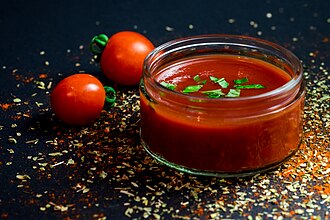
Photo: Wikipedia
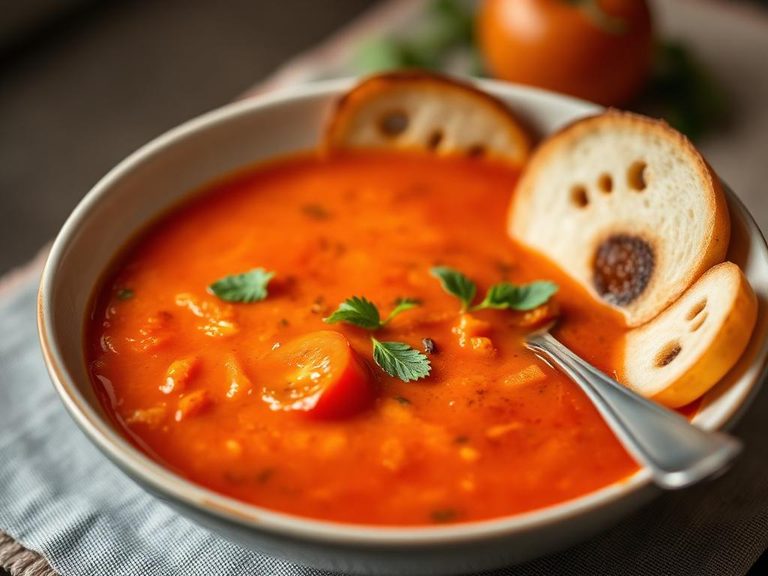
A smooth, savory pantry staple made from crushed or pureed tomatoes cooked down and preserved with salt. It offers a concentrated, umami-rich tomato flavor with a thick, pourable texture and a bright red hue. Nutritionally, it's a low-calorie, high-fiber base for countless meals, providing a modest protein boost.
Calorie split: 16% protein · 74% carbs · 10% fat
↓ Full nutrition💚 Why it's loved
People love it for its incredible convenience and ability to instantly add a rich, savory tomato foundation to soups, stews, and pasta sauces. Its long shelf life and consistent flavor make it a kitchen essential across many global cuisines.
⚠️ Watch-outs & how to enjoy it better
The added sodium can be a concern for those monitoring blood pressure, and its natural acidity might trigger heartburn in some individuals. To counteract, look for low-sodium versions, rinse the sauce lightly, or pair it with alkaline foods like spinach or a dollop of yogurt.
Key benefits
- Excellent source of lycopene, a potent antioxidant linked to heart health.
- High in dietary fiber, which supports digestive regularity.
- Low in calories and fat, making it a diet-friendly ingredient.
- Provides vitamins A and C, which are essential for immune function.
- A versatile base that adds depth and nutrition to savory dishes.
🍽️ Popular dishes
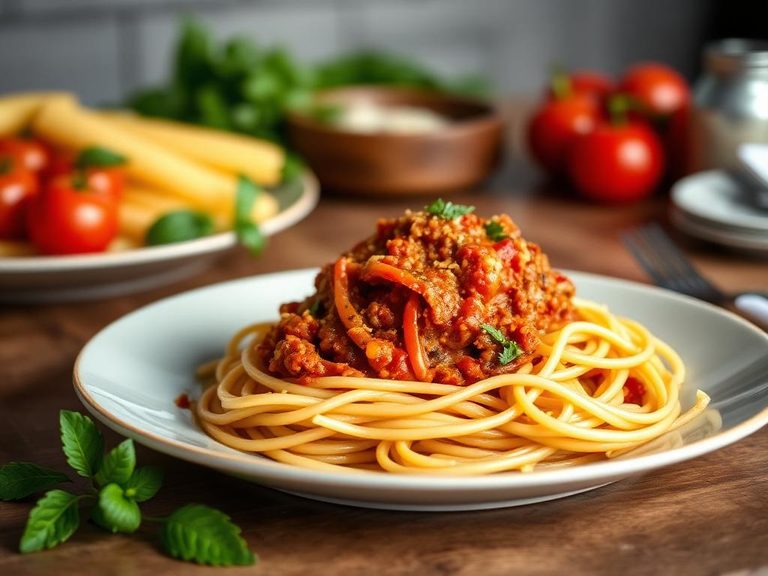
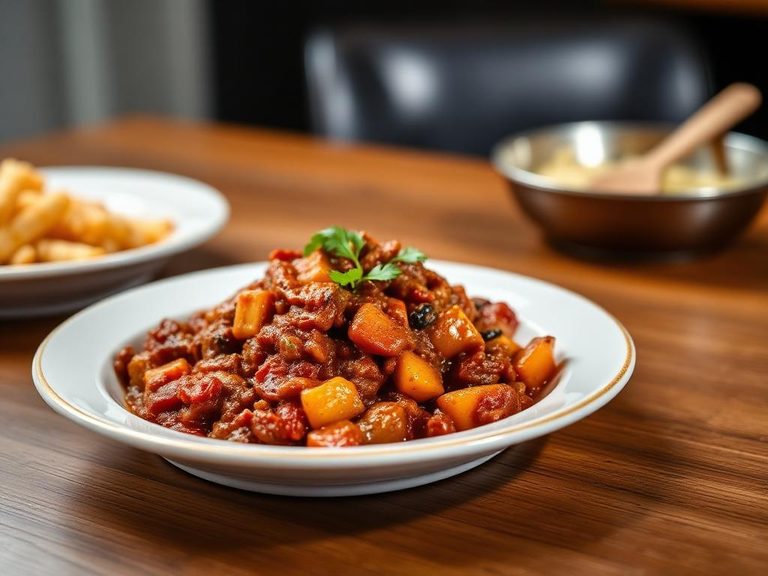
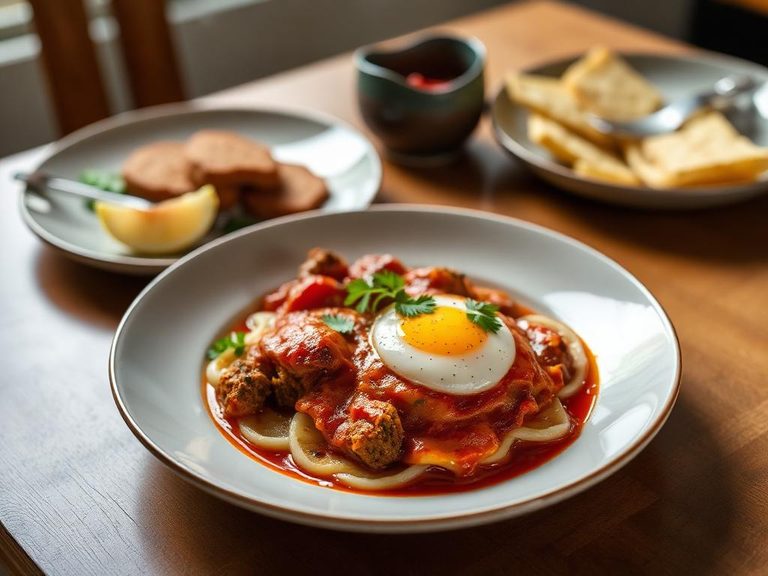


🌍 Where it's eaten
💡 Did you know?
The process of canning tomatoes actually increases the bioavailability of lycopene, making the antioxidant easier for your body to absorb compared to fresh tomatoes.
Full nutrition (USDA data · scales with serving)
| Water | 90.2 g |
| Energy (Atwater General Factors) | 34.2 kcal |
| Energy (Atwater Specific Factors) | 29.1 kcal |
| Nitrogen | 0.22 g |
| Protein | 1.4 g |
| Total lipid (fat) | 0.38 g |
| Ash | 1.7 g |
| Carbohydrate, by difference | 6.3 g |
| Fiber, total dietary | 1.6 g |
| Sugars, Total | 3.5 g |
| Sucrose | 0.00 g |
| Glucose | 1.7 g |
| Fructose | 1.8 g |
| Lactose | 0.00 g |
| Maltose | 0.00 g |
| Calcium, Ca | 17.1 mg |
| Iron, Fe | 1.1 mg |
| Magnesium, Mg | 18.7 mg |
| Phosphorus, P | 29.2 mg |
| Potassium, K | 356 mg |
| Sodium, Na | 417 mg |
| Zinc, Zn | 0.18 mg |
| Copper, Cu | 0.09 mg |
| Manganese, Mn | 0.13 mg |
| Vitamin C, total ascorbic acid | 9.2 mg |
Fat & fatty acid profile (per 100g)
Estimated from Tomato products, canned, sauce, with tomato tidbits — USDA does not publish this profile for Tomato.
| Fatty acids, total saturated | 0.06 g |
| SFA 14:0 | 0.00 g |
| SFA 16:0 | 0.04 g |
| SFA 18:0 | 0.01 g |
| Fatty acids, total monounsaturated | 0.06 g |
| MUFA 16:1 | 0.00 g |
| MUFA 18:1 | 0.06 g |
| MUFA 20:1 | 0.00 g |
| Fatty acids, total polyunsaturated | 0.16 g |
| PUFA 18:2 | 0.15 g |
| PUFA 18:3 | 0.01 g |
| Fatty acids, total trans | 0.00 g |
| Cholesterol | 0.00 mg |
Amino acid profile (per 100g)
Estimated from Tomato products, canned, sauce, with tomato tidbits — USDA does not publish this profile for Tomato.
| Tryptophan | 0.01 g |
| Threonine | 0.03 g |
| Isoleucine | 0.03 g |
| Leucine | 0.04 g |
| Lysine | 0.04 g |
| Methionine | 0.01 g |
| Cystine | 0.01 g |
| Phenylalanine | 0.03 g |
| Tyrosine | 0.02 g |
| Valine | 0.03 g |
| Arginine | 0.03 g |
| Histidine | 0.02 g |
| Alanine | 0.04 g |
| Aspartic acid | 0.17 g |
| Glutamic acid | 0.53 g |
| Glycine | 0.02 g |
| Proline | 0.03 g |
| Serine | 0.03 g |
FAQ
Is canned tomato sauce with salt added the same as tomato paste?
No. Tomato sauce is thinner and more seasoned, while tomato paste is a concentrated, thick purée made from cooked-down tomatoes with minimal added liquid.
Can I use this sauce in place of fresh tomatoes?
Yes, though the flavor will be more concentrated and cooked. It's ideal for sauces, soups, and stews where a deep tomato flavor is desired, but not for dishes requiring the fresh texture of raw tomatoes.
How does the added salt affect the nutrition?
The salt increases the sodium content, which is important to note for those on low-sodium diets. Choosing a low-sodium variety or rinsing the sauce can help reduce intake.
Nutrient density (calculated · NRF9.3)
Nutrient Rich Foods index: beneficial nutrients (protein, fiber, vitamins, minerals) minus saturated fat, added sugar & sodium, per 100 kcal.
NRF9.3 index — Fulgoni, Keast & Drewnowski, 2009. Computed from USDA nutrients.
Weight-loss friendliness (composite index)
Energy density 0.34 kcal/g · 16% calories from protein · 1.6 g fiber · 0.0 g sugar per 100 g.
Composite of energy density (Rolls et al., 1999), protein & fiber satiety, minus sugar. A calculated heuristic — ranks satiety-per-calorie, not a clinical measure.
Dietary load (calculated from USDA values)
Potential renal acid load. Positive = acid-forming, negative = alkaline-forming.
Sodium-to-potassium ratio: 1.17 (lower is better — aim for ≤ 1)
Sodium:potassium per WHO potassium guidance. Computed from USDA nutrients.