

Tomato chili sauce
Common food

Photo: Wikipedia
Tomato chili sauce is a vibrant, glossy condiment blending the tangy sweetness of ripe tomatoes with the fiery kick of chili peppers. Its texture is typically smooth or slightly pulpy, offering a balance of sweet, savory, and spicy notes in every spoonful. Nutritionally, it's a low-calorie, virtually fat-free way to add significant flavor, though its carbohydrate content comes primarily from natural and added sugars.
Calorie split: 11% protein · 86% carbs · 3% fat
↓ Full nutrition💚 Why it's loved
People adore it for its explosive flavor punch—a single spoonful can transform a bland dish into something exciting. Its incredible versatility, from a dip for fries to a base for stews, makes it a global pantry staple.
⚠️ Watch-outs & how to enjoy it better
The high sugar content (over 13g per 100g) can contribute to blood sugar spikes, and some commercial brands are very high in sodium. Those with sensitive stomachs or acid reflux may find the combination of capsaicin and tomato acidity irritating. Tip: Use it sparingly as a condiment rather than a sauce, pair it with protein and healthy fats (like grilled chicken or avocado) to slow sugar absorption, and always check labels for low-sodium options.
Key benefits
- Low in fat and calories, making it a light flavor enhancer.
- Provides a small amount of dietary fiber from tomato and chili.
- Contains capsaicin from chilies, linked to a temporary metabolism boost.
- Rich in lycopene, an antioxidant from cooked tomatoes.
- Adds flavor without significant sodium if a low-salt version is chosen.
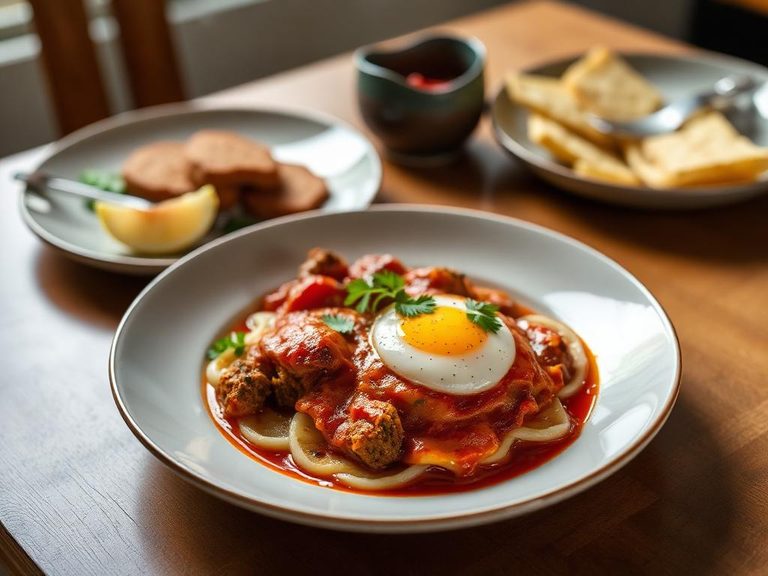
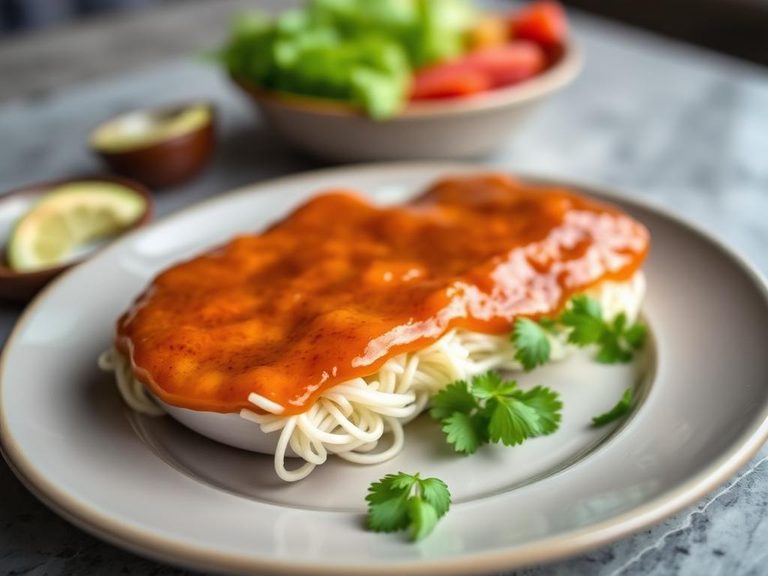
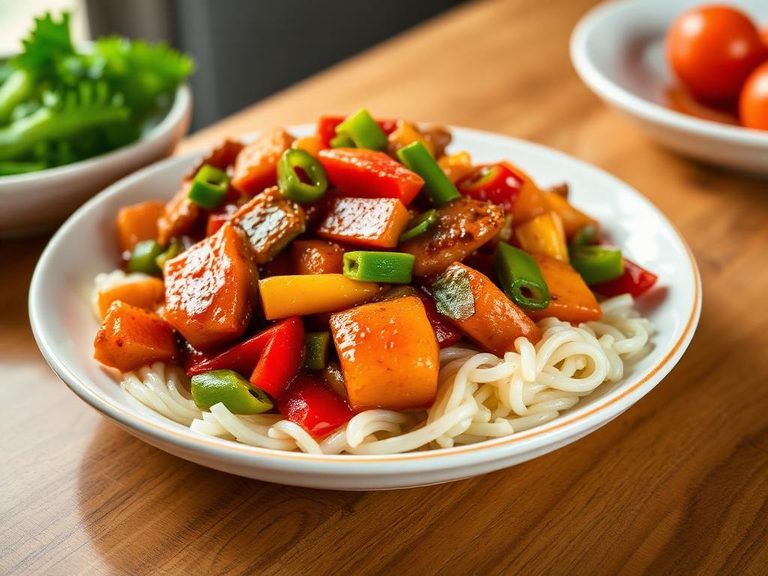
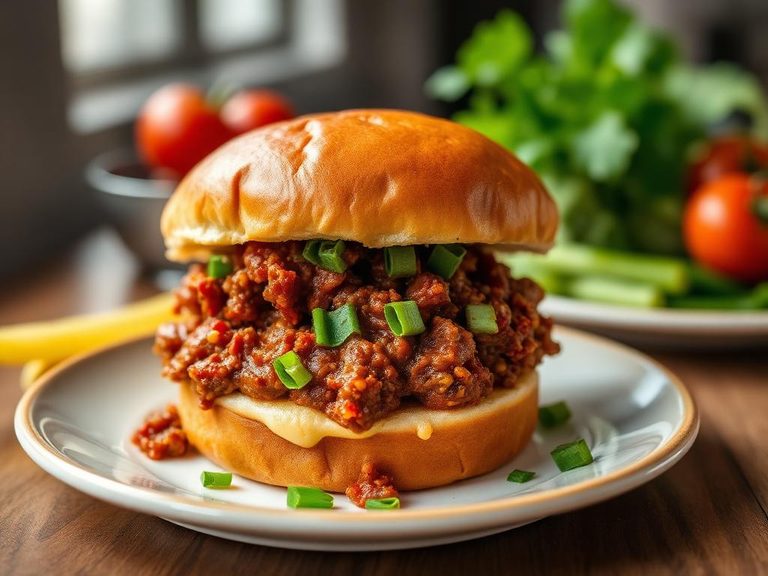
🍽️ Popular dishes

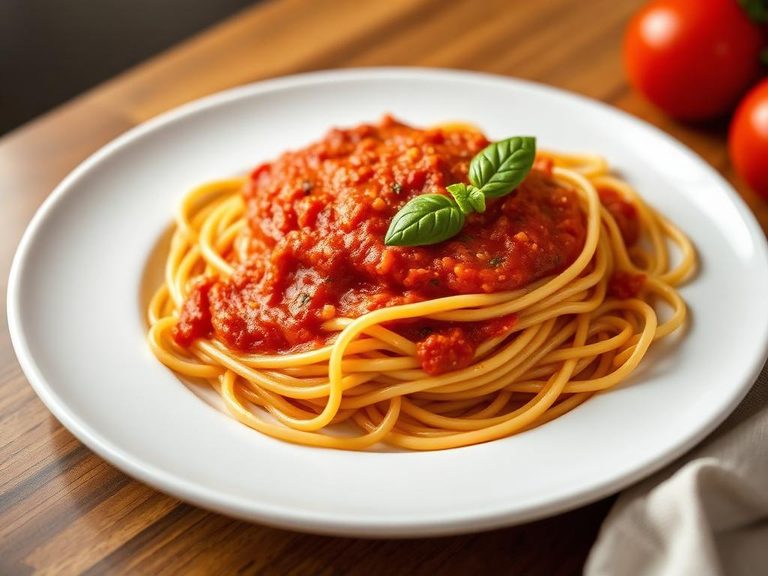
🌍 Where it's eaten
💡 Did you know?
The iconic red color of tomato chili sauce is primarily due to lycopene, a powerful antioxidant that becomes more bioavailable to the body when tomatoes are cooked and processed.
Full nutrition (USDA data · scales with serving)
| Water | 68.0 g |
| Energy | 92.0 kcal |
| Protein | 2.5 g |
| Total lipid (fat) | 0.30 g |
| Carbohydrate, by difference | 19.8 g |
| Fiber, total dietary | 2.4 g |
| Total Sugars | 13.3 g |
| Calcium, Ca | 20.0 mg |
| Iron, Fe | 0.80 mg |
| Magnesium, Mg | 12.0 mg |
| Phosphorus, P | 52.0 mg |
| Potassium, K | 370 mg |
| Sodium, Na | 1338 mg |
| Zinc, Zn | 0.16 mg |
| Copper, Cu | 0.13 mg |
| Selenium, Se | 1.1 ug |
| Vitamin C, total ascorbic acid | 16.0 mg |
| Thiamin | 0.09 mg |
| Riboflavin | 0.07 mg |
| Niacin | 1.6 mg |
| Vitamin B-6 | 0.16 mg |
| Folate, total | 9.0 ug |
| Folic acid | 0.00 ug |
| Folate, food | 9.0 ug |
| Folate, DFE | 9.0 ug |
| Choline, total | 13.7 mg |
| Vitamin B-12 | 0.00 ug |
| Vitamin B-12, added | 0.00 ug |
| Vitamin A, RAE | 34.0 ug |
| Retinol | 0.00 ug |
| Carotene, beta | 402 ug |
| Carotene, alpha | 13.0 ug |
| Cryptoxanthin, beta | 0.00 ug |
| Lycopene | 12819 ug |
| Lutein + zeaxanthin | 1.0 ug |
| Vitamin E (alpha-tocopherol) | 1.9 mg |
| Vitamin E, added | 0.00 mg |
| Vitamin D (D2 + D3) | 0.00 ug |
| Vitamin K (phylloquinone) | 5.2 ug |
| Alcohol, ethyl | 0.00 g |
| Caffeine | 0.00 mg |
| Theobromine | 0.00 mg |
Fat & fatty acid profile (per 100g)
| Fatty acids, total saturated | 0.04 g |
| SFA 4:0 | 0.00 g |
| SFA 6:0 | 0.00 g |
| SFA 8:0 | 0.00 g |
| SFA 10:0 | 0.00 g |
| SFA 12:0 | 0.00 g |
| SFA 14:0 | 0.01 g |
| SFA 16:0 | 0.03 g |
| SFA 18:0 | 0.01 g |
| Fatty acids, total monounsaturated | 0.04 g |
| MUFA 16:1 | 0.00 g |
| MUFA 18:1 | 0.04 g |
| MUFA 20:1 | 0.00 g |
| MUFA 22:1 | 0.00 g |
| Fatty acids, total polyunsaturated | 0.15 g |
| PUFA 18:2 | 0.14 g |
| PUFA 18:3 | 0.01 g |
| PUFA 18:4 | 0.00 g |
| PUFA 20:4 | 0.00 g |
| PUFA 20:5 n-3 (EPA) | 0.00 g |
| PUFA 22:5 n-3 (DPA) | 0.00 g |
| PUFA 22:6 n-3 (DHA) | 0.00 g |
| Cholesterol | 0.00 mg |
FAQ
Is tomato chili sauce the same as ketchup?
Not exactly. While both are tomato-based, tomato chili sauce is typically less sweet, more savory, and has a prominent chili pepper heat. Ketchup is generally sweeter, thicker, and spiced with allspice, cloves, and cinnamon rather than chili.
Can I use it as a cooking base?
Absolutely. It's a fantastic starter for soups, stews, braises, and pasta sauces. Sauté it briefly with onions and garlic to build a deep, flavorful foundation for your dish.
How can I reduce the sugar content when cooking with it?
Choose brands labeled 'no added sugar' or 'unsweetened.' You can also balance its sweetness by adding acidic ingredients like a splash of vinegar or lemon juice, or by increasing the proportion of other savory, non-sweet components in your recipe.
Nutrient density (calculated · NRF9.3)
Nutrient Rich Foods index: beneficial nutrients (protein, fiber, vitamins, minerals) minus saturated fat, added sugar & sodium, per 100 kcal.
NRF9.3 index — Fulgoni, Keast & Drewnowski, 2009. Computed from USDA nutrients.
Weight-loss friendliness (composite index)
Energy density 0.92 kcal/g · 11% calories from protein · 2.4 g fiber · 13.3 g sugar per 100 g.
Composite of energy density (Rolls et al., 1999), protein & fiber satiety, minus sugar. A calculated heuristic — ranks satiety-per-calorie, not a clinical measure.
Dietary load (calculated from USDA values)
Potential renal acid load. Positive = acid-forming, negative = alkaline-forming.
Sodium-to-potassium ratio: 3.62 (lower is better — aim for ≤ 1)
Sodium:potassium per WHO potassium guidance. Computed from USDA nutrients.