

Tofu, salted and fermented (fuyu), prepared with calcium sulfate
Whole food · Legumes and Legume Products

Photo: Wikipedia
Fuyu is a soft, creamy, and slightly salty fermented tofu, often compared to a savory cheese. It has a smooth, spreadable texture and a rich, umami flavor profile with a distinct fermented tang. Nutritionally, it's a good source of plant-based protein and provides a notable amount of fat, making it a satisfying condiment.
Calorie split: 26% protein · 16% carbs · 58% fat
↓ Full nutrition💚 Why it's loved
People love fuyu for its intensely savory, complex flavor that can transform simple dishes. It's cherished in East Asian cuisines as a versatile condiment, a spread, or a flavor-packed ingredient in soups and stir-fries.
⚠️ Watch-outs & how to enjoy it better
Fuyu is high in sodium, which can be a concern for those monitoring salt intake. It's also a soy product, making it an allergen for some. To mitigate, use it sparingly as a condiment rather than a main dish, and balance meals with low-sodium, potassium-rich foods like fresh vegetables.
Key benefits
- Good source of plant-based protein
- Contains calcium from the coagulant
- Provides healthy fats
- Rich in umami flavor for enhancing dishes
- Traditional fermented food with potential probiotic benefits
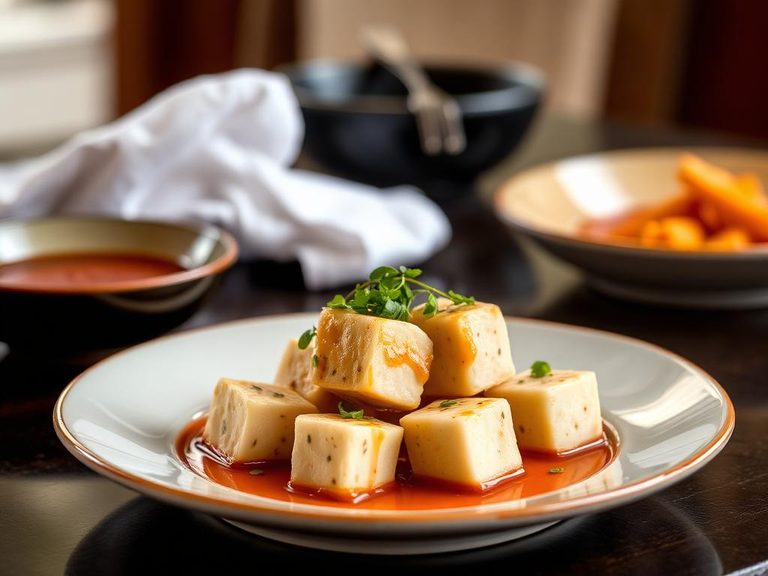
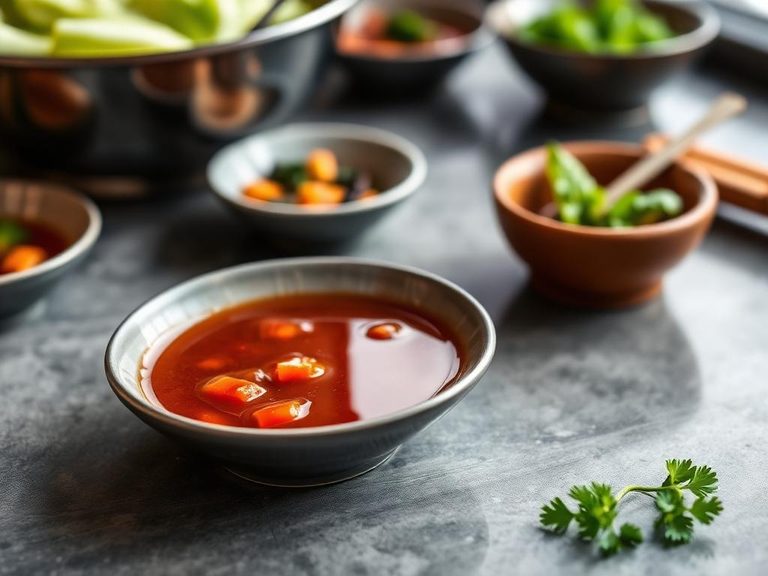
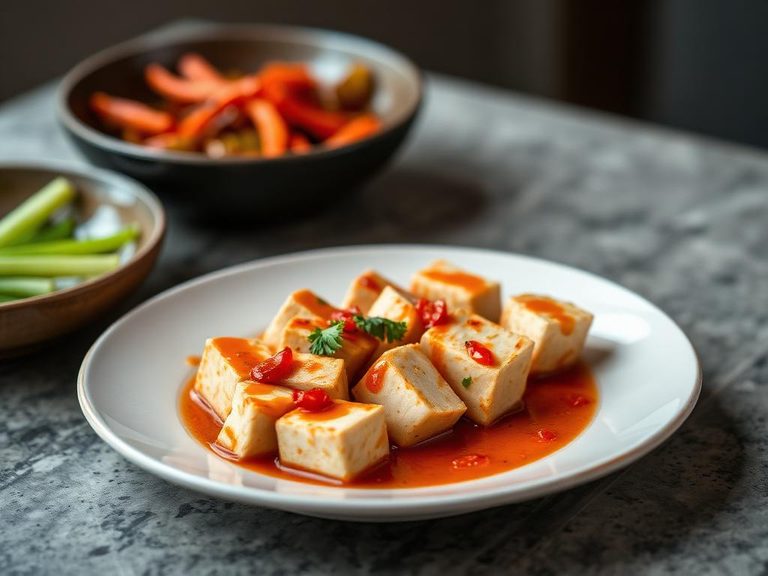
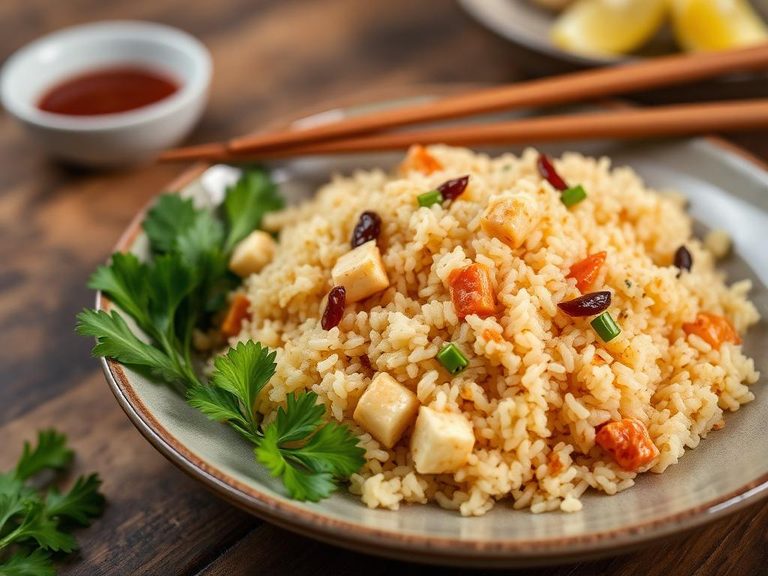
🍽️ Popular dishes
🌍 Where it's eaten
💡 Did you know?
Fuyu's fermentation process is initiated by molds from the genus Rhizopus, the same type used to make sake and tempeh, creating its signature flavor compounds.
Full nutrition (USDA data · scales with serving)
| Water | 70.0 g |
| Energy | 116 kcal |
| Energy | 485 kj |
| Protein | 8.2 g |
| Total lipid (fat) | 8.0 g |
| Ash | 8.7 g |
| Carbohydrate, by difference | 5.2 g |
| Calcium, Ca | 1229 mg |
| Iron, Fe | 2.0 mg |
| Magnesium, Mg | 58.0 mg |
| Phosphorus, P | 73.0 mg |
| Potassium, K | 75.0 mg |
| Sodium, Na | 2873 mg |
| Zinc, Zn | 1.6 mg |
| Copper, Cu | 0.38 mg |
| Manganese, Mn | 1.2 mg |
| Selenium, Se | 17.3 ug |
| Vitamin C, total ascorbic acid | 0.20 mg |
| Thiamin | 0.16 mg |
| Riboflavin | 0.10 mg |
| Niacin | 0.38 mg |
| Pantothenic acid | 0.13 mg |
| Vitamin B-6 | 0.09 mg |
| Folate, total | 29.0 ug |
| Folic acid | 0.00 ug |
| Folate, food | 29.0 ug |
| Folate, DFE | 29.0 ug |
| Vitamin B-12 | 0.00 ug |
| Vitamin A, RAE | 0.00 ug |
| Retinol | 0.00 ug |
| Vitamin A, IU | 0.00 iu |
| Vitamin D (D2 + D3), International Units | 0.00 iu |
| Vitamin D (D2 + D3) | 0.00 ug |
| Alcohol, ethyl | 0.00 g |
| Caffeine | 0.00 mg |
| Theobromine | 0.00 mg |
Fat & fatty acid profile (per 100g)
| Fatty acids, total saturated | 1.2 g |
| SFA 14:0 | 0.02 g |
| SFA 16:0 | 0.85 g |
| SFA 18:0 | 0.29 g |
| Fatty acids, total monounsaturated | 1.8 g |
| MUFA 16:1 | 0.02 g |
| MUFA 18:1 | 1.7 g |
| Fatty acids, total polyunsaturated | 4.5 g |
| PUFA 18:2 | 4.0 g |
| PUFA 18:3 | 0.53 g |
| Fatty acids, total trans | 0.00 g |
| Cholesterol | 0.00 mg |
Amino acid profile (per 100g)
| Tryptophan | 0.12 g |
| Threonine | 0.41 g |
| Isoleucine | 0.44 g |
| Leucine | 0.72 g |
| Lysine | 0.46 g |
| Methionine | 0.11 g |
| Cystine | 0.03 g |
| Phenylalanine | 0.43 g |
| Tyrosine | 0.36 g |
| Valine | 0.45 g |
| Arginine | 0.71 g |
| Histidine | 0.22 g |
| Alanine | 0.40 g |
| Aspartic acid | 1.1 g |
| Glutamic acid | 1.7 g |
| Glycine | 0.38 g |
| Proline | 0.56 g |
| Serine | 0.52 g |
FAQ
How is fuyu different from regular tofu?
Fuyu is a fermented and preserved product with a soft, creamy texture and strong salty/umami flavor, while regular tofu is fresh, mild, and has a firmer, more sponge-like texture.
Do I need to cook fuyu before eating it?
No, it's ready to eat. It's most commonly used as a condiment, spread, or sauce ingredient, either directly from the jar or mixed with other seasonings.
How should I store opened fuyu?
Keep it refrigerated in its original brine or airtight container. The high salt content helps preserve it, but it's best consumed within a few weeks for optimal flavor.
Nutrient density (calculated · NRF9.3)
Nutrient Rich Foods index: beneficial nutrients (protein, fiber, vitamins, minerals) minus saturated fat, added sugar & sodium, per 100 kcal.
NRF9.3 index — Fulgoni, Keast & Drewnowski, 2009. Computed from USDA nutrients.
Weight-loss friendliness (composite index)
Energy density 1.16 kcal/g · 28% calories from protein · 0.0 g fiber · 0.0 g sugar per 100 g.
Composite of energy density (Rolls et al., 1999), protein & fiber satiety, minus sugar. A calculated heuristic — ranks satiety-per-calorie, not a clinical measure.
Dietary load (calculated from USDA values)
Potential renal acid load. Positive = acid-forming, negative = alkaline-forming.
Sodium-to-potassium ratio: 38.31 (lower is better — aim for ≤ 1)
Sodium:potassium per WHO potassium guidance. Computed from USDA nutrients.