

Spinach salad, no dressing
Common food

Photo: Wikipedia
A simple, vibrant bowl of fresh spinach leaves, offering a mild, earthy flavor with a tender, slightly crisp texture. Its standout nutritional feature is its impressive protein-to-calorie ratio, packing over 7 grams of protein per 100 calories. The natural, subtle sweetness is balanced by a gentle mineral note.
Calorie split: 34% protein · 10% carbs · 56% fat
↓ Full nutrition💚 Why it's loved
People love it as a blank canvas—the mild, fresh taste of spinach serves as a perfect base for countless flavor combinations, from tangy vinaigrettes to rich cheeses. It's a cornerstone of healthy eating, offering a quick, nutrient-dense foundation for any meal.
⚠️ Watch-outs & how to enjoy it better
Some may find the raw, earthy taste too bitter or metallic, a sensitivity linked to the compound oxalic acid. To counteract this, you can briefly wilt the spinach with a little heat (like sautéing) or pair it with a creamy dressing or a squeeze of lemon, which helps balance the flavor and can aid mineral absorption.
Key benefits
- Excellent source of plant-based protein for its calorie count
- Very low in carbohydrates and natural sugars
- Provides dietary fiber for digestive health
- Naturally low-calorie, ideal for volume eating
- Contains no added fats or sodium in its base form
🍽️ Popular dishes
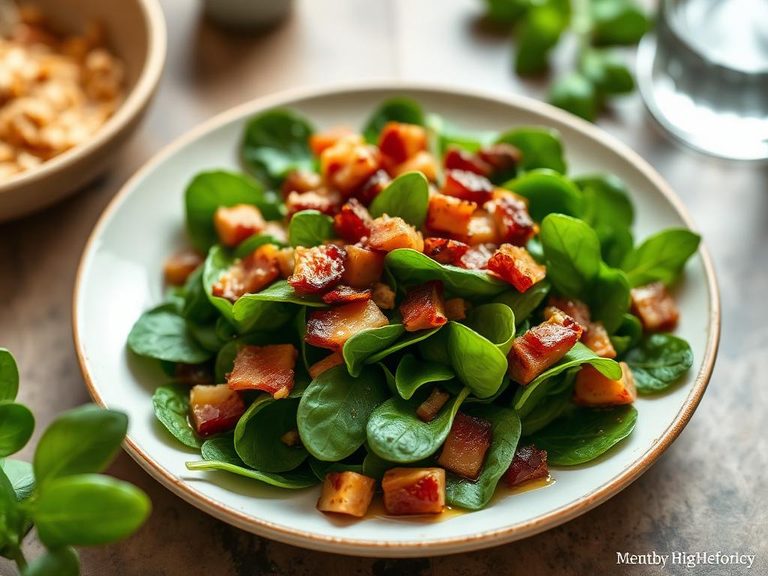
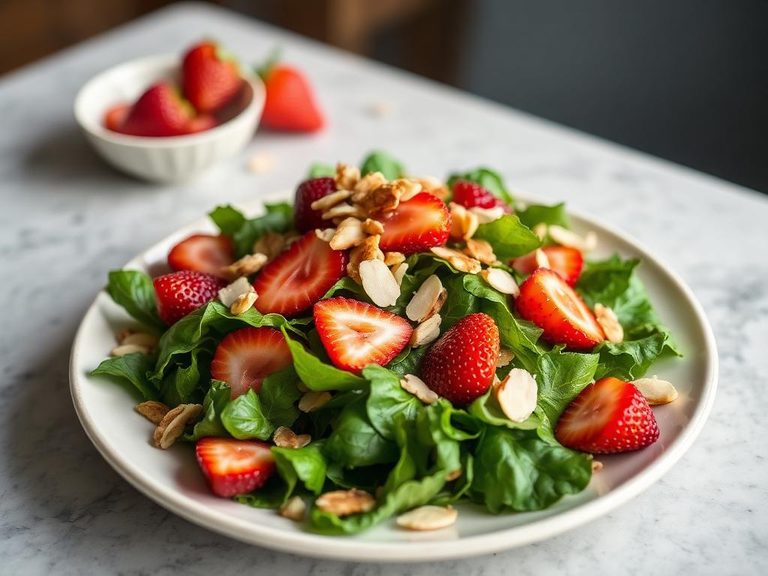
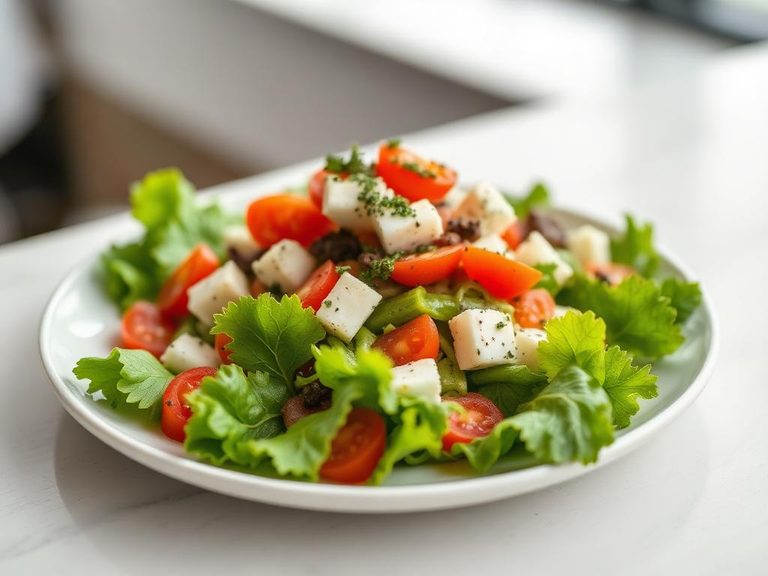
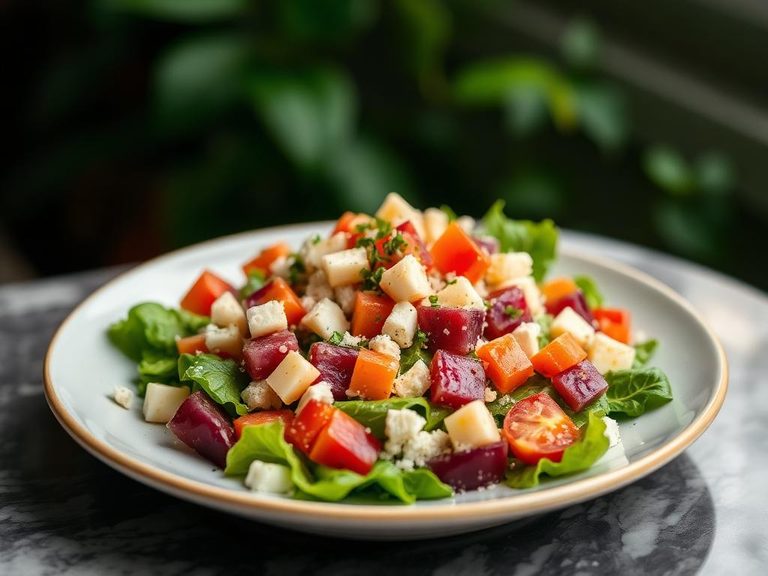
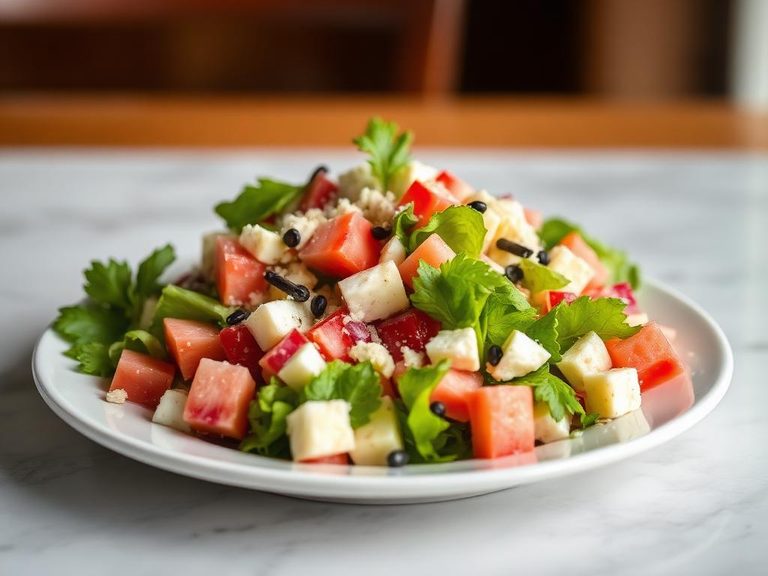
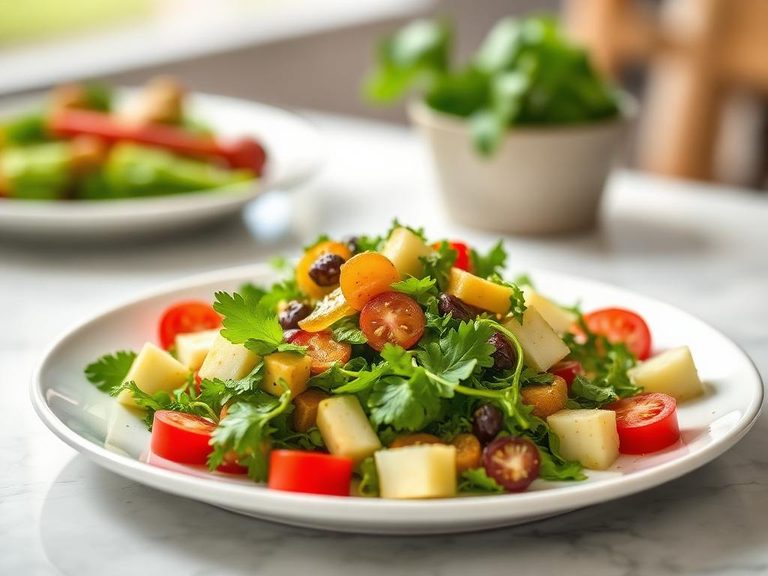
🌍 Where it's eaten
💡 Did you know?
The word 'spinach' derives from the Persian word 'isfānākh,' and it was known in medieval Europe as the 'child of the desert' because it arrived via Moorish Spain from North Africa.
Full nutrition (USDA data · scales with serving)
| Water | 84.1 g |
| Energy | 84.0 kcal |
| Protein | 7.0 g |
| Total lipid (fat) | 5.1 g |
| Carbohydrate, by difference | 2.1 g |
| Fiber, total dietary | 1.2 g |
| Total Sugars | 0.54 g |
| Calcium, Ca | 60.0 mg |
| Iron, Fe | 1.2 mg |
| Magnesium, Mg | 71.0 mg |
| Phosphorus, P | 91.0 mg |
| Potassium, K | 480 mg |
| Sodium, Na | 220 mg |
| Zinc, Zn | 0.75 mg |
| Copper, Cu | 0.07 mg |
| Selenium, Se | 10.0 ug |
| Vitamin C, total ascorbic acid | 19.1 mg |
| Thiamin | 0.11 mg |
| Riboflavin | 0.26 mg |
| Niacin | 1.1 mg |
| Vitamin B-6 | 0.20 mg |
| Folate, total | 93.0 ug |
| Folic acid | 0.00 ug |
| Folate, food | 93.0 ug |
| Folate, DFE | 93.0 ug |
| Choline, total | 82.2 mg |
| Vitamin B-12 | 0.31 ug |
| Vitamin B-12, added | 0.00 ug |
| Vitamin A, RAE | 236 ug |
| Retinol | 32.0 ug |
| Carotene, beta | 2451 ug |
| Carotene, alpha | 0.00 ug |
| Cryptoxanthin, beta | 2.0 ug |
| Lycopene | 0.00 ug |
| Lutein + zeaxanthin | 4411 ug |
| Vitamin E (alpha-tocopherol) | 1.7 mg |
| Vitamin E, added | 0.00 mg |
| Vitamin D (D2 + D3) | 0.50 ug |
| Vitamin K (phylloquinone) | 348 ug |
| Alcohol, ethyl | 0.00 g |
| Caffeine | 0.00 mg |
| Theobromine | 0.00 mg |
Fat & fatty acid profile (per 100g)
| Fatty acids, total saturated | 1.5 g |
| SFA 4:0 | 0.00 g |
| SFA 6:0 | 0.00 g |
| SFA 8:0 | 0.00 g |
| SFA 10:0 | 0.00 g |
| SFA 12:0 | 0.00 g |
| SFA 14:0 | 0.04 g |
| SFA 16:0 | 1.1 g |
| SFA 18:0 | 0.43 g |
| Fatty acids, total monounsaturated | 1.9 g |
| MUFA 16:1 | 0.12 g |
| MUFA 18:1 | 1.8 g |
| MUFA 20:1 | 0.03 g |
| MUFA 22:1 | 0.00 g |
| Fatty acids, total polyunsaturated | 0.83 g |
| PUFA 18:2 | 0.63 g |
| PUFA 18:3 | 0.12 g |
| PUFA 18:4 | 0.00 g |
| PUFA 20:4 | 0.04 g |
| PUFA 20:5 n-3 (EPA) | 0.00 g |
| PUFA 22:5 n-3 (DPA) | 0.00 g |
| PUFA 22:6 n-3 (DHA) | 0.01 g |
| Cholesterol | 86.0 mg |
FAQ
Why is my spinach salad slightly bitter?
Raw spinach contains oxalic acid, which can impart a mild bitterness or 'metallic' taste. This is more noticeable in mature spinach. Using younger, 'baby' spinach leaves generally results in a milder, sweeter flavor.
Is the protein content in raw spinach significant?
Yes, for a vegetable. At 7.02g per 100g, it has more protein per calorie than many other greens. While you wouldn't eat 100g of plain spinach as a main protein source, it meaningfully boosts the protein content of a mixed salad.
How do I keep a spinach salad from getting soggy?
Ensure the leaves are completely dry after washing (use a salad spinner). Store them with a dry paper towel in a container. Add dressings or wet ingredients like tomatoes only right before serving to prevent wilting.
Nutrient density (calculated · NRF9.3)
Nutrient Rich Foods index: beneficial nutrients (protein, fiber, vitamins, minerals) minus saturated fat, added sugar & sodium, per 100 kcal.
NRF9.3 index — Fulgoni, Keast & Drewnowski, 2009. Computed from USDA nutrients.
Weight-loss friendliness (composite index)
Energy density 0.84 kcal/g · 33% calories from protein · 1.2 g fiber · 0.5 g sugar per 100 g.
Composite of energy density (Rolls et al., 1999), protein & fiber satiety, minus sugar. A calculated heuristic — ranks satiety-per-calorie, not a clinical measure.
Dietary load (calculated from USDA values)
Potential renal acid load. Positive = acid-forming, negative = alkaline-forming.
Sodium-to-potassium ratio: 0.46 (lower is better — aim for ≤ 1)
Sodium:potassium per WHO potassium guidance. Computed from USDA nutrients.