

Spices, coriander seed
Whole food · Spices and Herbs

Photo: Wikipedia
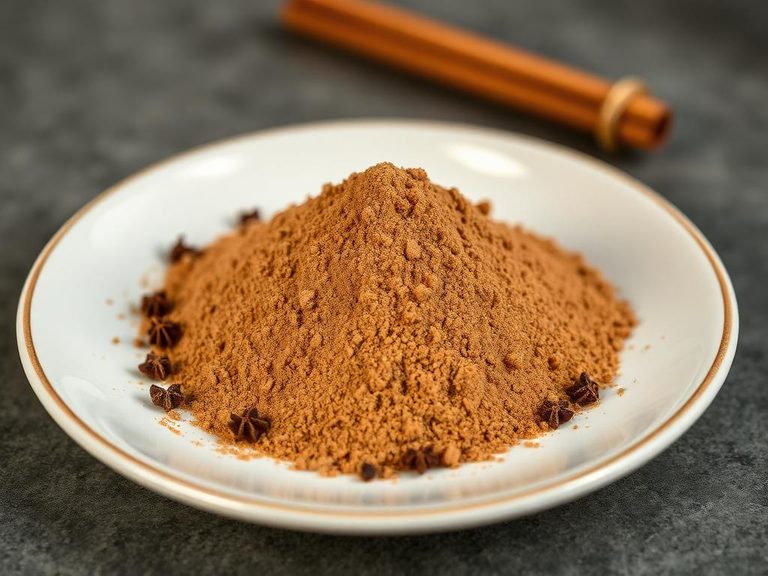
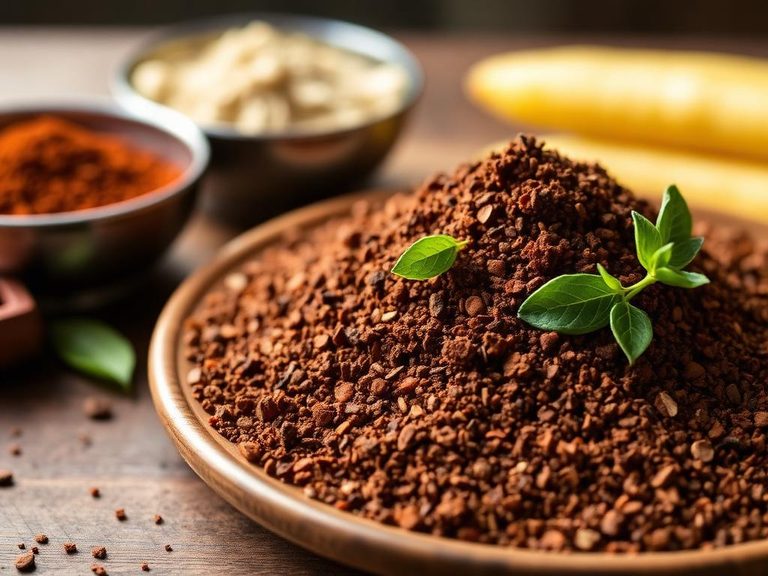
Coriander seeds are the dried, ribbed fruits of the cilantro plant, offering a warm, citrusy, and slightly nutty flavor with a satisfying crunch when bitten. Nutritionally, they are a powerhouse of dietary fiber (41.9g per 100g) and a surprisingly good plant-based protein source.
Calorie split: 12% protein · 51% carbs · 37% fat
↓ Full nutrition💚 Why it's loved
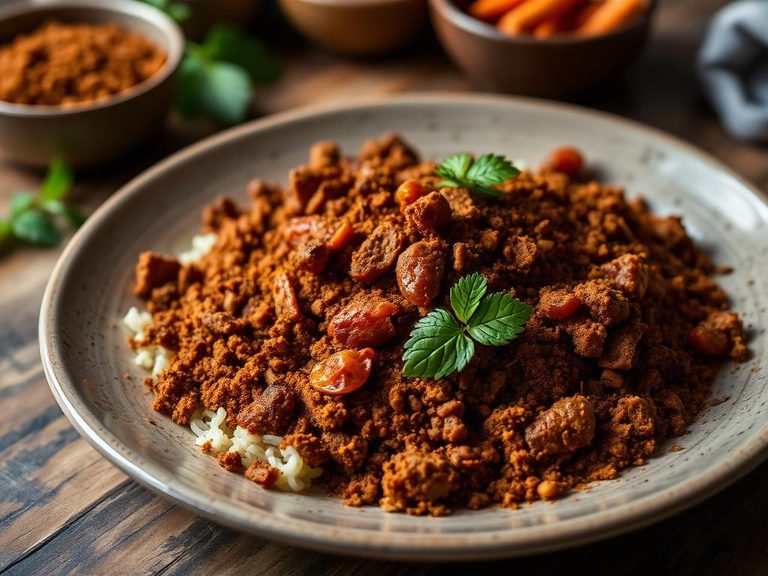
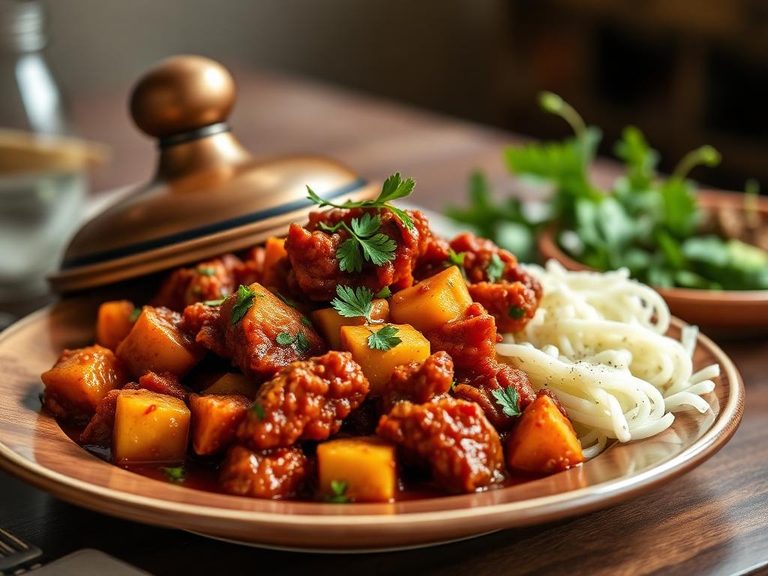
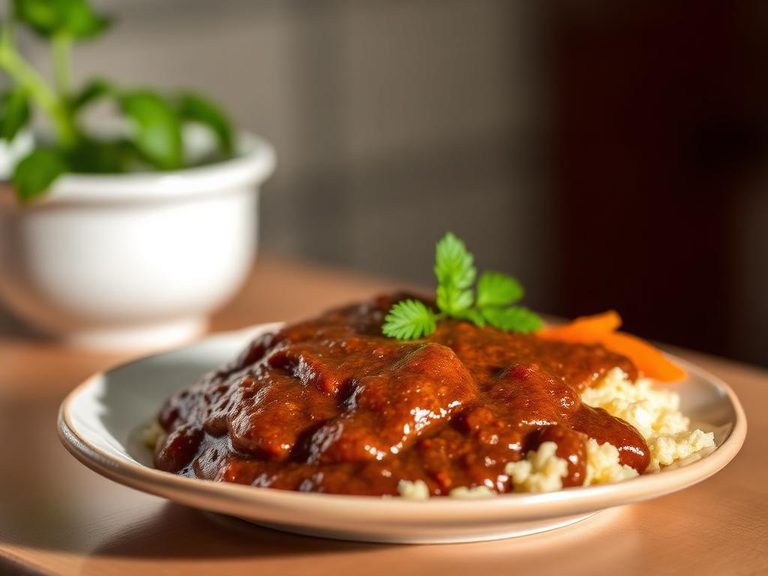
People love coriander seeds for their uniquely warm, lemony aroma that transforms both sweet and savory dishes, and for their incredible versatility across global cuisines, from Indian curries to Moroccan tagines.
⚠️ Watch-outs & how to enjoy it better
The high fiber content can cause digestive discomfort (gas, bloating) in large amounts if you're not accustomed to it. To counteract this, introduce it gradually, ensure adequate water intake, and consider lightly toasting or grinding the seeds to improve digestibility.
Key benefits
- Excellent source of dietary fiber for digestive health
- Provides a notable amount of plant-based protein
- Rich in antioxidants like terpenes and polyphenols
- Contains essential minerals such as manganese and iron
- May support healthy blood sugar levels
🍽️ Popular dishes
🌍 Where it's eaten
💡 Did you know?
Despite being a staple in spice racks worldwide, the coriander seed is technically a fruit—specifically, a dry schizocarp—containing two seeds fused together.
Full nutrition (USDA data · scales with serving)
| Water | 8.9 g |
| Energy | 298 kcal |
| Energy | 1245 kj |
| Protein | 12.4 g |
| Total lipid (fat) | 17.8 g |
| Ash | 6.0 g |
| Carbohydrate, by difference | 55.0 g |
| Fiber, total dietary | 41.9 g |
| Calcium, Ca | 709 mg |
| Iron, Fe | 16.3 mg |
| Magnesium, Mg | 330 mg |
| Phosphorus, P | 409 mg |
| Potassium, K | 1267 mg |
| Sodium, Na | 35.0 mg |
| Zinc, Zn | 4.7 mg |
| Copper, Cu | 0.97 mg |
| Manganese, Mn | 1.9 mg |
| Selenium, Se | 26.2 ug |
| Vitamin C, total ascorbic acid | 21.0 mg |
| Thiamin | 0.24 mg |
| Riboflavin | 0.29 mg |
| Niacin | 2.1 mg |
| Folate, total | 0.00 ug |
| Folic acid | 0.00 ug |
| Folate, food | 0.00 ug |
| Folate, DFE | 0.00 ug |
| Vitamin B-12 | 0.00 ug |
| Vitamin A, RAE | 0.00 ug |
| Retinol | 0.00 ug |
| Vitamin A, IU | 0.00 iu |
| Vitamin D (D2 + D3), International Units | 0.00 iu |
| Vitamin D (D2 + D3) | 0.00 ug |
Fat & fatty acid profile (per 100g)
| Fatty acids, total saturated | 0.99 g |
| SFA 14:0 | 0.02 g |
| SFA 16:0 | 0.81 g |
| SFA 18:0 | 0.11 g |
| Fatty acids, total monounsaturated | 13.6 g |
| MUFA 16:1 | 0.10 g |
| MUFA 18:1 | 13.5 g |
| Fatty acids, total polyunsaturated | 1.8 g |
| PUFA 18:2 | 1.8 g |
| Cholesterol | 0.00 mg |
| Phytosterols | 46.0 mg |
Amino acid profile (per 100g)
Estimated from Spices, garlic powder — USDA does not publish this profile for Spices.
| Tryptophan | 0.12 g |
| Threonine | 0.37 g |
| Isoleucine | 0.41 g |
| Leucine | 0.73 g |
| Lysine | 0.77 g |
| Methionine | 0.11 g |
| Cystine | 0.25 g |
| Phenylalanine | 0.53 g |
| Tyrosine | 0.45 g |
| Valine | 0.67 g |
| Arginine | 3.4 g |
| Histidine | 0.26 g |
| Alanine | 0.48 g |
| Aspartic acid | 1.9 g |
| Glutamic acid | 3.7 g |
| Glycine | 0.53 g |
| Proline | 1.4 g |
| Serine | 0.51 g |
| Hydroxyproline | 0.00 g |
FAQ
What's the difference between cilantro and coriander seed?
They come from the same plant (Coriandrum sativum). 'Cilantro' refers to the fresh, leafy herb, while 'coriander seed' is the dried fruit. They have distinctly different flavors.
How should I store coriander seeds?
Store whole seeds in an airtight container in a cool, dark place for up to a year. Ground coriander loses potency quickly, so it's best to buy whole seeds and grind them as needed.
Can I use ground coriander instead of whole seeds?
Yes, but the flavor is more immediate and less nuanced. Use about 3/4 teaspoon of ground coriander for every 1 teaspoon of whole seeds called for in a recipe.
Nutrient density (calculated · NRF9.3)
Nutrient Rich Foods index: beneficial nutrients (protein, fiber, vitamins, minerals) minus saturated fat, added sugar & sodium, per 100 kcal.
NRF9.3 index — Fulgoni, Keast & Drewnowski, 2009. Computed from USDA nutrients.
Weight-loss friendliness (composite index)
Energy density 2.98 kcal/g · 17% calories from protein · 41.9 g fiber · 0.0 g sugar per 100 g.
Composite of energy density (Rolls et al., 1999), protein & fiber satiety, minus sugar. A calculated heuristic — ranks satiety-per-calorie, not a clinical measure.
Dietary load (calculated from USDA values)
Potential renal acid load. Positive = acid-forming, negative = alkaline-forming.
Sodium-to-potassium ratio: 0.03 (lower is better — aim for ≤ 1)
Sodium:potassium per WHO potassium guidance. Computed from USDA nutrients.