

Soup, beef mushroom, canned, condensed
Whole food · Soups, Sauces, and Gravies

Photo: Wikipedia
A savory, umami-rich canned staple, this condensed soup offers a thick, velvety base of beef broth with tender mushroom pieces. It's a pantry hero, delivering a deep, comforting flavor with a surprisingly lean nutritional profile for a ready-to-use ingredient.
Calorie split: 30% protein · 34% carbs · 36% fat
↓ Full nutrition💚 Why it's loved
People love it for its deep, savory umami that instantly elevates casseroles, gravies, and stews. Its convenience as a condensed base makes it a beloved shortcut for weeknight meals and classic comfort food.
⚠️ Watch-outs & how to enjoy it better
The condensed form is typically very high in sodium, which can be a concern for blood pressure. To counteract this, always dilute as directed, use low-sodium broth for part of the liquid, or rinse the contents if using in a dish with other salty ingredients. It may also contain wheat-based thickeners, a common allergen.
Key benefits
- High-quality protein source (4.6g per 100g)
- Low in sugar (0g per 100g)
- Provides quick, savory flavor base for cooking
- Long shelf life for emergency preparedness
- Low in fat (2.4g per 100g)
🍽️ Popular dishes
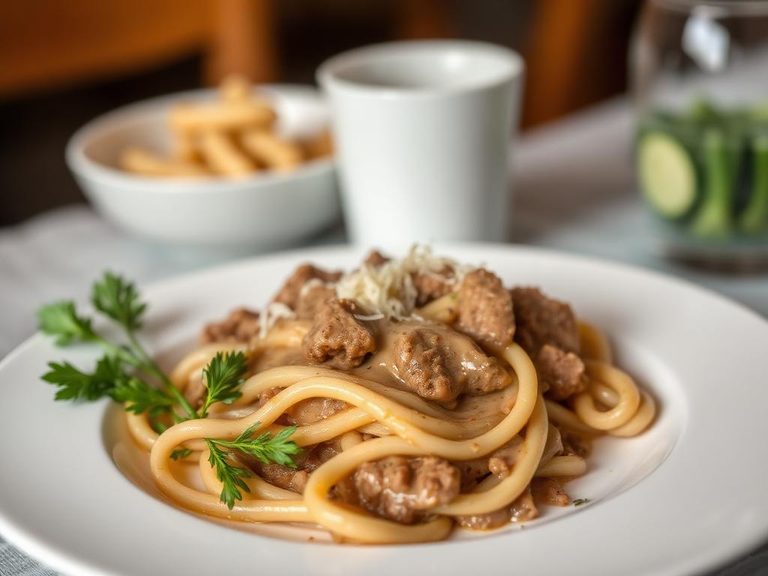
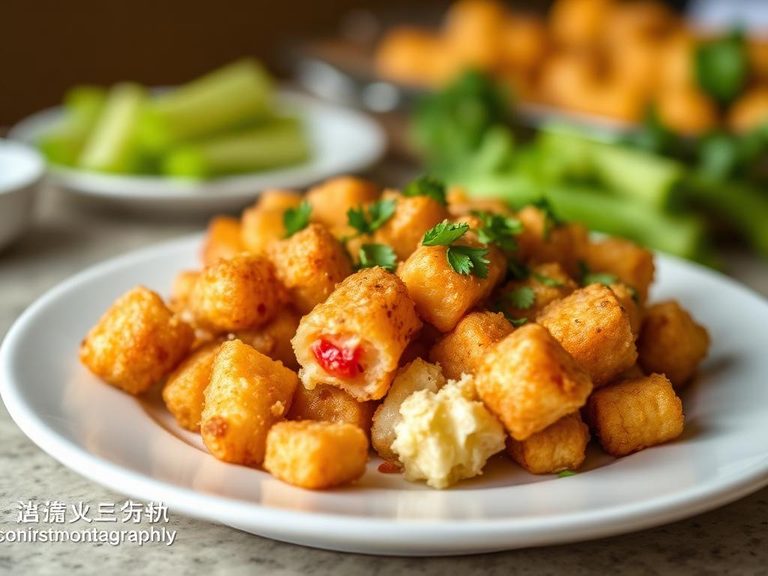
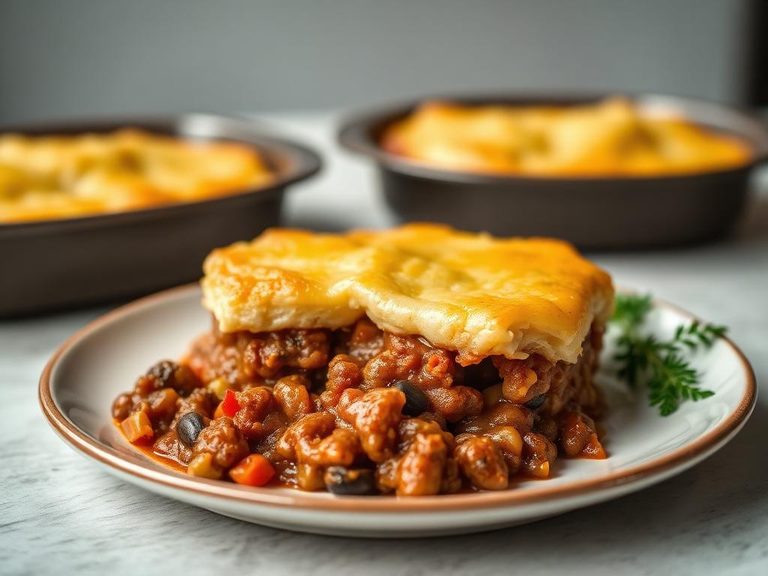

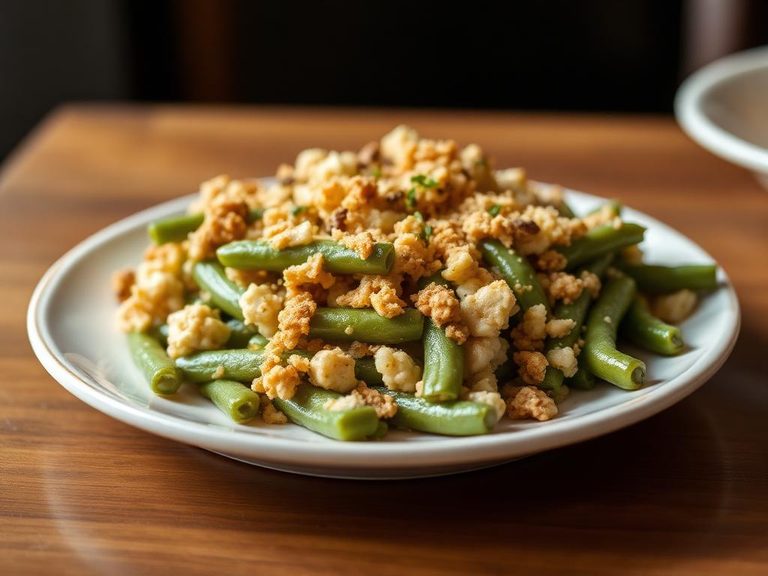
🌍 Where it's eaten
💡 Did you know?
The iconic Campbell's version of this soup was a key ingredient in the 'Campbell's Soup Casserole' that became a staple of mid-20th century American suburban cooking.
Full nutrition (USDA data · scales with serving)
| Water | 85.5 g |
| Energy | 61.0 kcal |
| Energy | 255 kj |
| Protein | 4.6 g |
| Total lipid (fat) | 2.4 g |
| Ash | 2.3 g |
| Carbohydrate, by difference | 5.2 g |
| Fiber, total dietary | 0.20 g |
| Calcium, Ca | 4.0 mg |
| Iron, Fe | 0.70 mg |
| Magnesium, Mg | 7.0 mg |
| Phosphorus, P | 29.0 mg |
| Potassium, K | 126 mg |
| Sodium, Na | 709 mg |
| Zinc, Zn | 1.1 mg |
| Copper, Cu | 0.20 mg |
| Manganese, Mn | 0.30 mg |
| Vitamin C, total ascorbic acid | 0.00 mg |
| Thiamin | 0.02 mg |
| Riboflavin | 0.06 mg |
| Niacin | 0.90 mg |
| Pantothenic acid | 0.19 mg |
| Vitamin B-6 | 0.04 mg |
| Folate, total | 7.0 ug |
| Folic acid | 0.00 ug |
| Folate, food | 7.0 ug |
| Folate, DFE | 7.0 ug |
| Vitamin B-12 | 0.16 ug |
| Vitamin A, RAE | 0.00 ug |
| Retinol | 0.00 ug |
| Vitamin A, IU | 0.00 iu |
Fat & fatty acid profile (per 100g)
| Fatty acids, total saturated | 1.2 g |
| SFA 12:0 | 0.02 g |
| SFA 14:0 | 0.09 g |
| SFA 16:0 | 0.60 g |
| SFA 18:0 | 0.45 g |
| Fatty acids, total monounsaturated | 1.0 g |
| MUFA 16:1 | 0.10 g |
| MUFA 18:1 | 0.86 g |
| MUFA 20:1 | 0.01 g |
| Fatty acids, total polyunsaturated | 0.10 g |
| PUFA 18:2 | 0.07 g |
| PUFA 18:3 | 0.01 g |
| Cholesterol | 5.0 mg |
Amino acid profile (per 100g)
Estimated from Soup, bean with pork, canned, condensed — USDA does not publish this profile for Soup.
| Tryptophan | 0.06 g |
| Threonine | 0.24 g |
| Isoleucine | 0.29 g |
| Leucine | 0.48 g |
| Lysine | 0.40 g |
| Methionine | 0.07 g |
| Cystine | 0.07 g |
| Phenylalanine | 0.33 g |
| Tyrosine | 0.18 g |
| Valine | 0.32 g |
| Arginine | 0.31 g |
| Histidine | 0.15 g |
| Alanine | 0.29 g |
| Aspartic acid | 0.66 g |
| Glutamic acid | 1.1 g |
| Glycine | 0.28 g |
| Proline | 0.27 g |
| Serine | 0.29 g |
FAQ
How is condensed soup different from ready-to-serve?
Condensed soup is a thick concentrate that requires the addition of an equal volume of liquid (usually water or milk) to prepare it. This makes it lighter to ship and store, and it doubles as a versatile cooking ingredient.
Can I use this soup as a sauce on its own?
Yes, but it's very thick and salty when undiluted. For a sauce, it's best to use it as a base, diluting it with some broth, wine, or cream and simmering it with other ingredients to balance the flavor.
Is the nutritional info for the condensed or prepared soup?
The provided values (61 kcal, 4.6g protein, etc.) are for the condensed soup as-is, per 100g. When prepared with water, the nutritional values per 100g of the final soup will be lower due to dilution.
Nutrient density (calculated · NRF9.3)
Nutrient Rich Foods index: beneficial nutrients (protein, fiber, vitamins, minerals) minus saturated fat, added sugar & sodium, per 100 kcal.
NRF9.3 index — Fulgoni, Keast & Drewnowski, 2009. Computed from USDA nutrients.
Weight-loss friendliness (composite index)
Energy density 0.61 kcal/g · 30% calories from protein · 0.2 g fiber · 0.0 g sugar per 100 g.
Composite of energy density (Rolls et al., 1999), protein & fiber satiety, minus sugar. A calculated heuristic — ranks satiety-per-calorie, not a clinical measure.
Dietary load (calculated from USDA values)
Potential renal acid load. Positive = acid-forming, negative = alkaline-forming.
Sodium-to-potassium ratio: 5.63 (lower is better — aim for ≤ 1)
Sodium:potassium per WHO potassium guidance. Computed from USDA nutrients.