

Soft drink, pepper type, decaffeinated, diet
Common food

Photo: Wikipedia
A decaffeinated, sugar-free soft drink with a sweet, spiced, slightly fruity flavor profile in the 'pepper' soda family — think Dr Pepper rather than spicy pepper. At just 1 kcal per 100g, it is virtually calorie-free, using artificial sweeteners instead of sugar. The carbonation delivers a crisp, refreshing mouthfeel with a distinctive, complex sweetness that sets it apart from colas and lemon-lime sodas.
Calorie split: 50% protein · 50% carbs · 0% fat
↓ Full nutrition💚 Why it's loved
People are drawn to its unusual, sweet-spiced flavor — a blend that's somewhere between cola, vanilla, and subtle caramel with a hint of fruit. It is deeply embedded in American pop culture, especially in the South, where it's mixed with ice cream or grilled meats.
⚠️ Watch-outs & how to enjoy it better
Artificial sweeteners can cause bloating, headaches, or an aftertaste in some individuals; a dental study from the University of Melbourne found that diet sodas' acidity can still erode enamel despite being sugar-free. Pair it with neutral palate-cleansing water, and limit consumption to avoid over-reliance on artificial sweeteners.
Key benefits
- Zero sugar means no blood glucose spike
- Negligible calories aid weight management
- Caffeine-free allows evening or caffeine-sensitive consumption
- No fat or cholesterol content
- Artificial sweeteners like aspartame or sucralose provide sweetness without calories
🍽️ Popular dishes
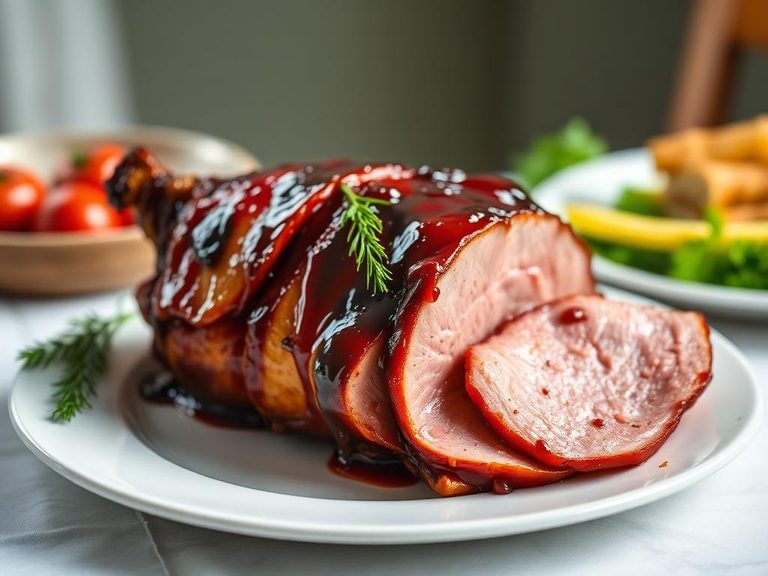
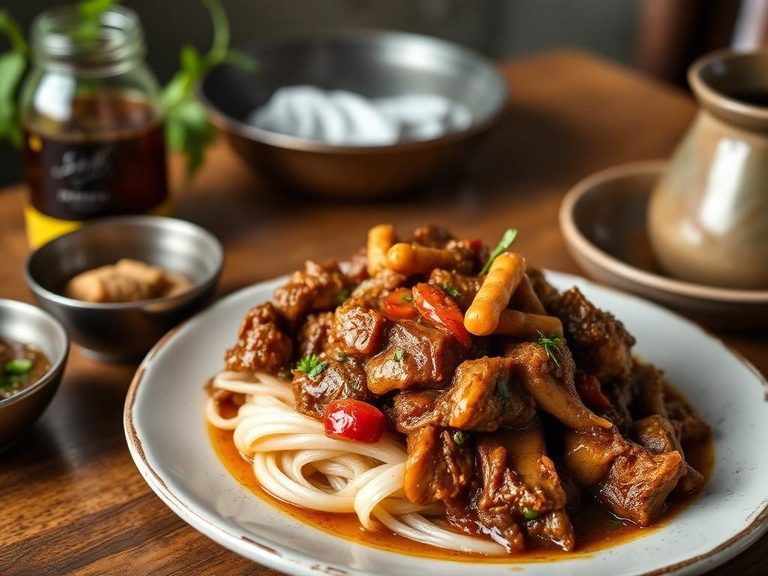
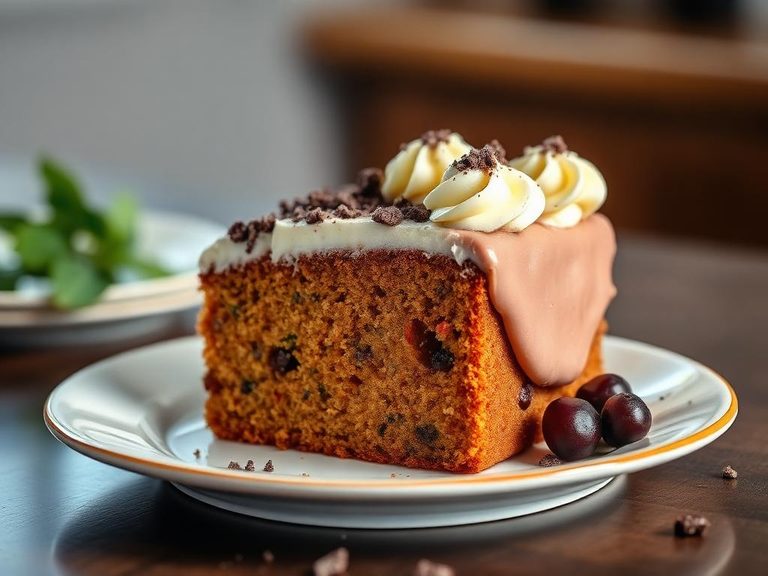
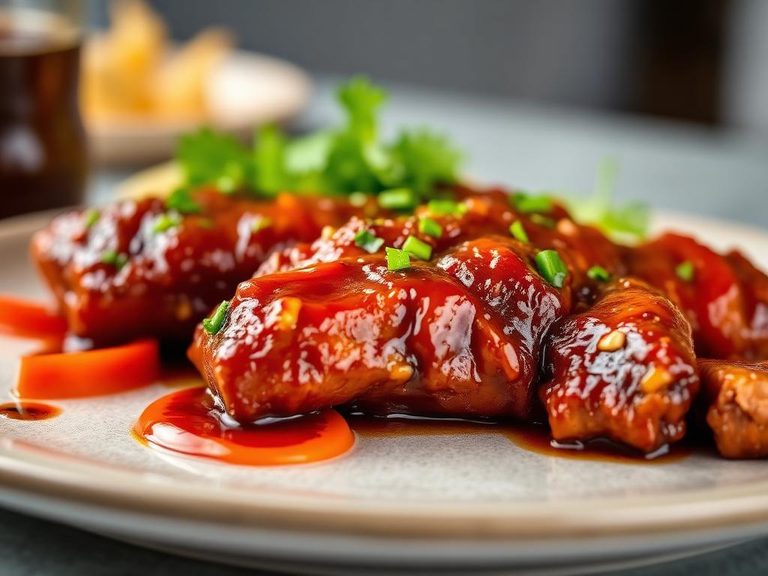
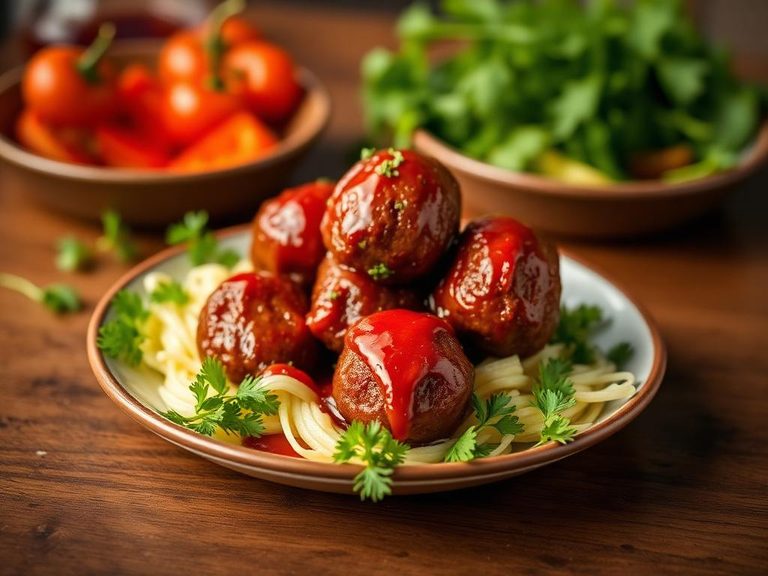
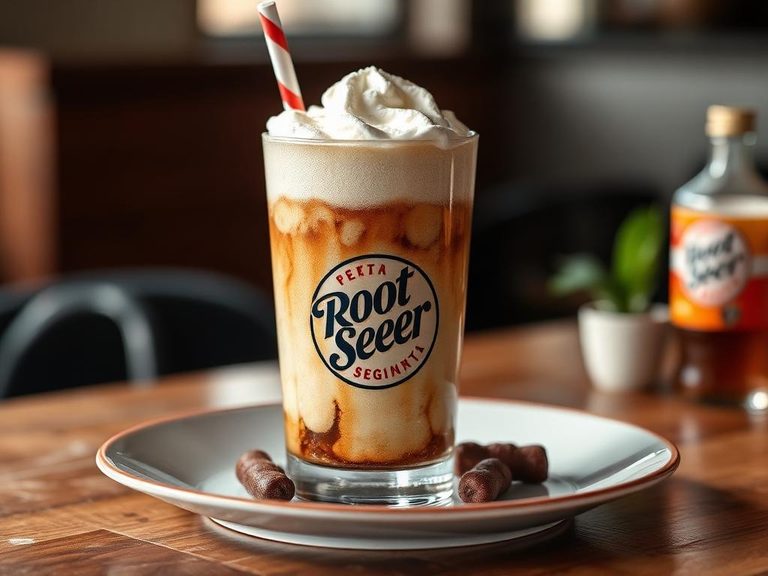
🌍 Where it's eaten
💡 Did you know?
Dr Pepper, the flagship of the 'pepper' soda family, was invented in 1885 in Waco, Texas — two full years before Coca-Cola — making it the oldest major soft drink brand in the United States.
Full nutrition (USDA data · scales with serving)
| Water | 99.7 g |
| Energy | 1.0 kcal |
| Protein | 0.12 g |
| Total lipid (fat) | 0.00 g |
| Carbohydrate, by difference | 0.12 g |
| Fiber, total dietary | 0.00 g |
| Total Sugars | 0.00 g |
| Calcium, Ca | 3.0 mg |
| Iron, Fe | 0.02 mg |
| Magnesium, Mg | 0.00 mg |
| Phosphorus, P | 10.0 mg |
| Potassium, K | 7.0 mg |
| Sodium, Na | 4.0 mg |
| Zinc, Zn | 0.01 mg |
| Copper, Cu | 0.00 mg |
| Selenium, Se | 0.10 ug |
| Vitamin C, total ascorbic acid | 0.00 mg |
| Thiamin | 0.01 mg |
| Riboflavin | 0.02 mg |
| Niacin | 0.00 mg |
| Vitamin B-6 | 0.00 mg |
| Folate, total | 0.00 ug |
| Folic acid | 0.00 ug |
| Folate, food | 0.00 ug |
| Folate, DFE | 0.00 ug |
| Choline, total | 0.00 mg |
| Vitamin B-12 | 0.00 ug |
| Vitamin B-12, added | 0.00 ug |
| Vitamin A, RAE | 0.00 ug |
| Retinol | 0.00 ug |
| Carotene, beta | 0.00 ug |
| Carotene, alpha | 0.00 ug |
| Cryptoxanthin, beta | 0.00 ug |
| Lycopene | 0.00 ug |
| Lutein + zeaxanthin | 0.00 ug |
| Vitamin E (alpha-tocopherol) | 0.00 mg |
| Vitamin E, added | 0.00 mg |
| Vitamin D (D2 + D3) | 0.00 ug |
| Vitamin K (phylloquinone) | 0.00 ug |
| Alcohol, ethyl | 0.00 g |
| Caffeine | 0.00 mg |
| Theobromine | 0.00 mg |
Fat & fatty acid profile (per 100g)
| Fatty acids, total saturated | 0.00 g |
| SFA 4:0 | 0.00 g |
| SFA 6:0 | 0.00 g |
| SFA 8:0 | 0.00 g |
| SFA 10:0 | 0.00 g |
| SFA 12:0 | 0.00 g |
| SFA 14:0 | 0.00 g |
| SFA 16:0 | 0.00 g |
| SFA 18:0 | 0.00 g |
| Fatty acids, total monounsaturated | 0.00 g |
| MUFA 16:1 | 0.00 g |
| MUFA 18:1 | 0.00 g |
| MUFA 20:1 | 0.00 g |
| MUFA 22:1 | 0.00 g |
| Fatty acids, total polyunsaturated | 0.00 g |
| PUFA 18:2 | 0.00 g |
| PUFA 18:3 | 0.00 g |
| PUFA 18:4 | 0.00 g |
| PUFA 20:4 | 0.00 g |
| PUFA 20:5 n-3 (EPA) | 0.00 g |
| PUFA 22:5 n-3 (DPA) | 0.00 g |
| PUFA 22:6 n-3 (DHA) | 0.00 g |
| Cholesterol | 0.00 mg |
FAQ
Why is it called a 'pepper' type soft drink?
In food databases like USDA, 'pepper type' refers to the flavor category of soda — not actual pepper spice — and includes drinks like Dr Pepper and Mr. Pibb. The name reflects a unique blend of 23 flavors (in Dr Pepper's case) rather than any hot pepper ingredient.
Is this suitable for someone with diabetes?
Because it contains no sugar and negligible carbohydrates, it has virtually no impact on blood sugar levels, making it generally safe for people managing diabetes. However, consult your doctor and pair it with a balanced diet, as artificial sweeteners may affect gut microbiome.
Does decaffeinated mean it has no caffeine at all?
In the US, 'decaffeinated' typically means the beverage has been processed to remove most caffeine, but trace amounts — usually less than 5mg per 12 oz serving — may remain. This is generally low enough to be considered caffeine-free for most people.
Can I cook with this drink?
Absolutely — pepper-type sodas are popular in glazes, marinades, and braising liquids, especially in Southern American cooking. The sugars (from artificial sweeteners) and the complex flavor profile can add depth to meat dishes, though be aware that artificial sweeteners may not caramelize the same way as real sugar.
Nutrient density (calculated · NRF9.3)
Nutrient Rich Foods index: beneficial nutrients (protein, fiber, vitamins, minerals) minus saturated fat, added sugar & sodium, per 100 kcal.
NRF9.3 index — Fulgoni, Keast & Drewnowski, 2009. Computed from USDA nutrients.
Weight-loss friendliness (composite index)
Energy density 0.01 kcal/g · 48% calories from protein · 0.0 g fiber · 0.0 g sugar per 100 g.
Composite of energy density (Rolls et al., 1999), protein & fiber satiety, minus sugar. A calculated heuristic — ranks satiety-per-calorie, not a clinical measure.
Dietary load (calculated from USDA values)
Potential renal acid load. Positive = acid-forming, negative = alkaline-forming.
Sodium-to-potassium ratio: 0.57 (lower is better — aim for ≤ 1)
Sodium:potassium per WHO potassium guidance. Computed from USDA nutrients.