

Soft drink, cola, decaffeinated, diet
Common food

Photo: Wikipedia
A zero-calorie, caffeine-free carbonated beverage that delivers the classic cola flavor profile—sweet, tangy, and slightly spicy—without the sugar or jitters. Its nutrition profile is virtually empty, with only 1 calorie and negligible protein, carbs, and fat per 100g. It's a popular choice for those seeking the taste of cola without the caloric or stimulant impact.
Calorie split: 50% protein · 50% carbs · 0% fat
↓ Full nutrition💚 Why it's loved
People love it for delivering the familiar, satisfying cola taste—sweet, fizzy, and slightly tangy—without any calories or caffeine. Its versatility makes it a go-to mixer for drinks and a popular choice for those managing their sugar or caffeine intake.
⚠️ Watch-outs & how to enjoy it better
The artificial sweeteners (like aspartame or sucralose) can leave a lingering aftertaste for some and may cause digestive discomfort in sensitive individuals. To counteract this, try pairing it with a small amount of protein or fat (like a handful of nuts) to slow absorption, or opt for brands using stevia or monk fruit if you prefer a more natural sweetener profile.
Key benefits
- Virtually calorie-free (1 kcal per 100g).
- Contains no caffeine, making it suitable for evening consumption.
- Provides a sweet, carbonated flavor without sugar or carbohydrates.
- Can be used as a zero-calorie mixer in cocktails or mocktails.
🍽️ Popular dishes



🌍 Where it's eaten
💡 Did you know?
Diet cola was first introduced in 1963 as 'Diet Rite' by the Royal Crown Company, but it was Coca-Cola's 'Tab' (1963) and later 'Diet Coke' (1982) that popularized the category, with Diet Coke becoming the first diet soft drink to outsell its regular counterpart in the US in 1998.
Full nutrition (USDA data · scales with serving)
| Water | 99.7 g |
| Energy | 1.0 kcal |
| Protein | 0.12 g |
| Total lipid (fat) | 0.00 g |
| Carbohydrate, by difference | 0.12 g |
| Fiber, total dietary | 0.00 g |
| Total Sugars | 0.00 g |
| Calcium, Ca | 3.0 mg |
| Iron, Fe | 0.02 mg |
| Magnesium, Mg | 0.00 mg |
| Phosphorus, P | 10.0 mg |
| Potassium, K | 7.0 mg |
| Sodium, Na | 4.0 mg |
| Zinc, Zn | 0.01 mg |
| Copper, Cu | 0.00 mg |
| Selenium, Se | 0.10 ug |
| Vitamin C, total ascorbic acid | 0.00 mg |
| Thiamin | 0.01 mg |
| Riboflavin | 0.02 mg |
| Niacin | 0.00 mg |
| Vitamin B-6 | 0.00 mg |
| Folate, total | 0.00 ug |
| Folic acid | 0.00 ug |
| Folate, food | 0.00 ug |
| Folate, DFE | 0.00 ug |
| Choline, total | 0.00 mg |
| Vitamin B-12 | 0.00 ug |
| Vitamin B-12, added | 0.00 ug |
| Vitamin A, RAE | 0.00 ug |
| Retinol | 0.00 ug |
| Carotene, beta | 0.00 ug |
| Carotene, alpha | 0.00 ug |
| Cryptoxanthin, beta | 0.00 ug |
| Lycopene | 0.00 ug |
| Lutein + zeaxanthin | 0.00 ug |
| Vitamin E (alpha-tocopherol) | 0.00 mg |
| Vitamin E, added | 0.00 mg |
| Vitamin D (D2 + D3) | 0.00 ug |
| Vitamin K (phylloquinone) | 0.00 ug |
| Alcohol, ethyl | 0.00 g |
| Caffeine | 0.00 mg |
| Theobromine | 0.00 mg |
Fat & fatty acid profile (per 100g)
| Fatty acids, total saturated | 0.00 g |
| SFA 4:0 | 0.00 g |
| SFA 6:0 | 0.00 g |
| SFA 8:0 | 0.00 g |
| SFA 10:0 | 0.00 g |
| SFA 12:0 | 0.00 g |
| SFA 14:0 | 0.00 g |
| SFA 16:0 | 0.00 g |
| SFA 18:0 | 0.00 g |
| Fatty acids, total monounsaturated | 0.00 g |
| MUFA 16:1 | 0.00 g |
| MUFA 18:1 | 0.00 g |
| MUFA 20:1 | 0.00 g |
| MUFA 22:1 | 0.00 g |
| Fatty acids, total polyunsaturated | 0.00 g |
| PUFA 18:2 | 0.00 g |
| PUFA 18:3 | 0.00 g |
| PUFA 18:4 | 0.00 g |
| PUFA 20:4 | 0.00 g |
| PUFA 20:5 n-3 (EPA) | 0.00 g |
| PUFA 22:5 n-3 (DPA) | 0.00 g |
| PUFA 22:6 n-3 (DHA) | 0.00 g |
| Cholesterol | 0.00 mg |
FAQ
Does diet cola have any calories?
It contains a negligible amount, typically 0-1 calorie per 100g, due to the use of artificial sweeteners instead of sugar.
Is diet cola safe for people with diabetes?
Generally, yes, as it contains no sugar and has a minimal impact on blood glucose levels. However, individuals should consult their healthcare provider, as some sweeteners may affect insulin sensitivity in certain people.
Can diet cola be used in cooking?
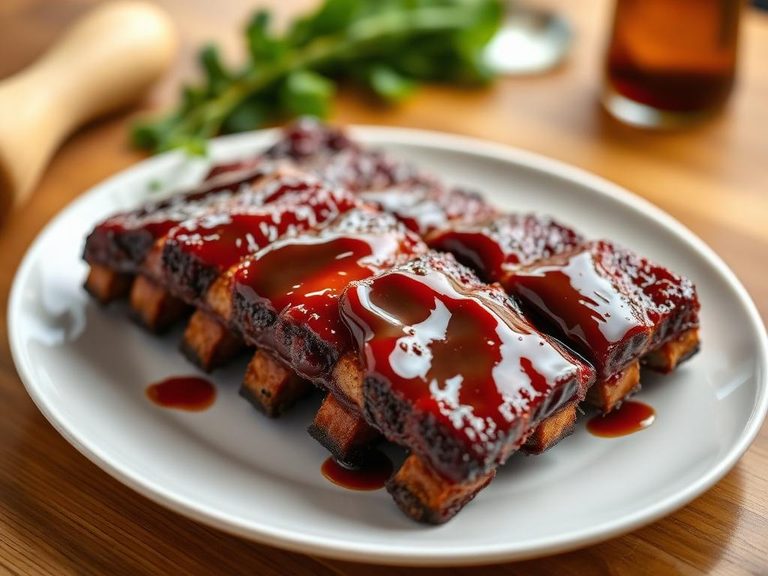
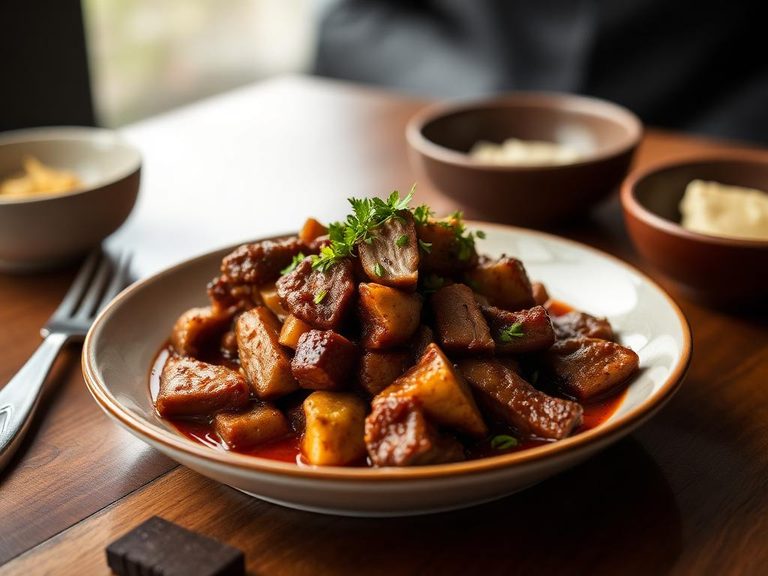
Yes, it's a popular ingredient in recipes like cola-glazed ribs, braised meats, and desserts, where it adds sweetness and depth of flavor without adding calories.
Nutrient density (calculated · NRF9.3)
Nutrient Rich Foods index: beneficial nutrients (protein, fiber, vitamins, minerals) minus saturated fat, added sugar & sodium, per 100 kcal.
NRF9.3 index — Fulgoni, Keast & Drewnowski, 2009. Computed from USDA nutrients.
Weight-loss friendliness (composite index)
Energy density 0.01 kcal/g · 48% calories from protein · 0.0 g fiber · 0.0 g sugar per 100 g.
Composite of energy density (Rolls et al., 1999), protein & fiber satiety, minus sugar. A calculated heuristic — ranks satiety-per-calorie, not a clinical measure.
Dietary load (calculated from USDA values)
Potential renal acid load. Positive = acid-forming, negative = alkaline-forming.
Sodium-to-potassium ratio: 0.57 (lower is better — aim for ≤ 1)
Sodium:potassium per WHO potassium guidance. Computed from USDA nutrients.