

Soft drink, pepper type, decaffeinated
Common food

Photo: Wikipedia
This is a decaffeinated, pepper-type soft drink, likely a spicy or ginger-flavored soda. It offers a crisp, carbonated bite with a distinctive peppery or ginger heat, delivering a sweet and zesty flavor profile. Nutritionally, it's a source of quick energy from its 10.58g of sugar per 100g, with no protein, fat, or fiber.
Calorie split: 0% protein · 100% carbs · 0% fat
↓ Full nutrition💚 Why it's loved
People love it for its unique, spicy kick that cuts through sweetness, making it a refreshing and invigorating treat. It's often enjoyed as a digestive aid or a bold mixer in cocktails, valued for its distinct cultural and flavor profile.
⚠️ Watch-outs & how to enjoy it better
The high sugar content can lead to rapid blood-sugar spikes and empty calories, which is a concern for those managing diabetes or calorie intake. To counteract this, consider pairing it with a protein or fat source (like nuts) to slow sugar absorption, or opt for a smaller, controlled portion as an occasional treat.
Key benefits
- Provides quick carbohydrate energy
- Caffeine-free option for evening consumption
- Can aid digestion or settle the stomach (if ginger-based)
- Offers a flavorful alternative to water or sugary juices
🍽️ Popular dishes
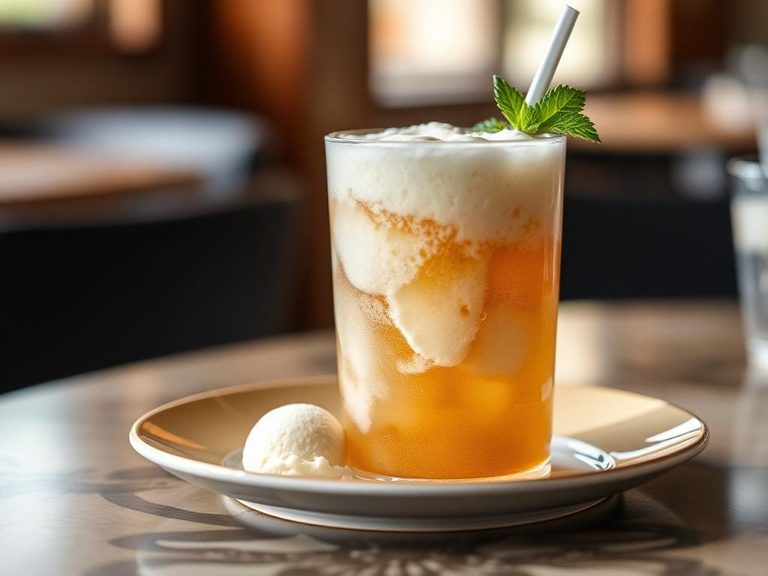
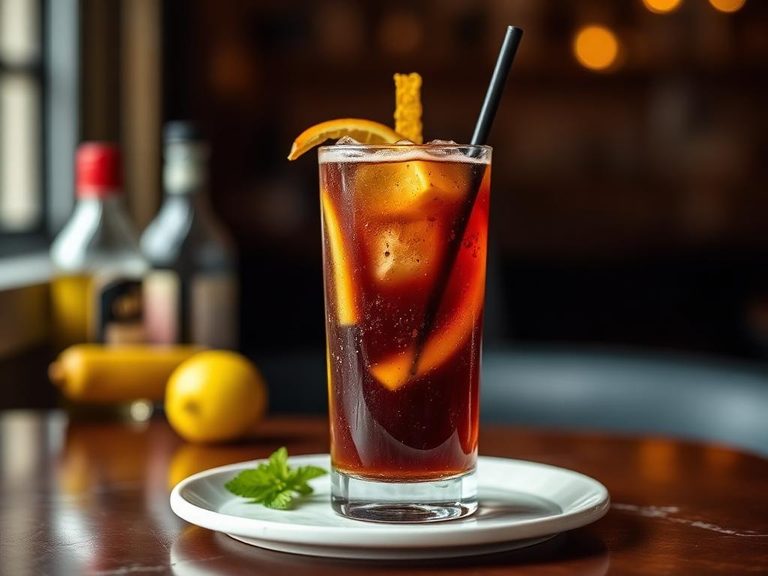

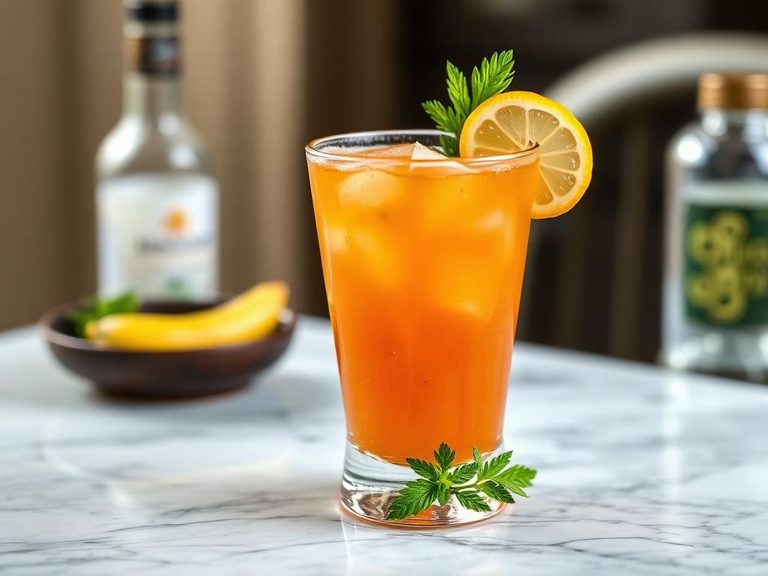
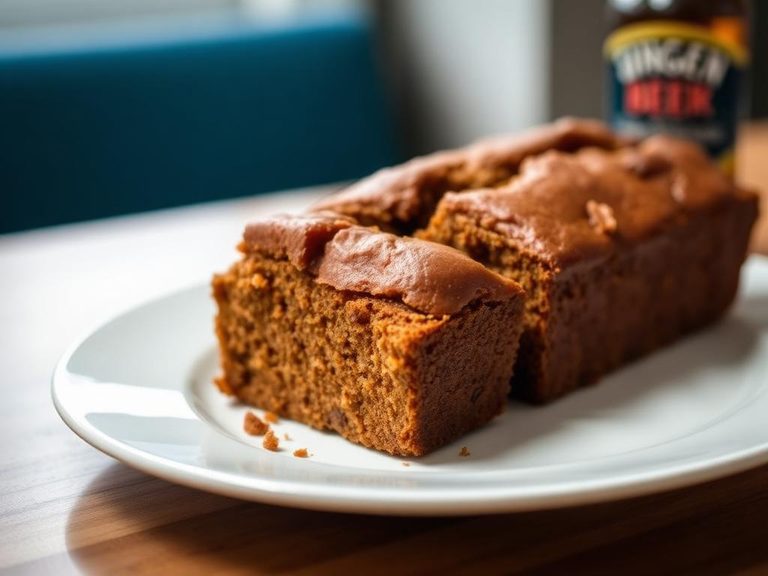
🌍 Where it's eaten
💡 Did you know?
Traditional ginger beer, the ancestor of many modern pepper-type sodas, was originally a fermented, alcoholic beverage from the 18th century, not a carbonated soft drink.
Full nutrition (USDA data · scales with serving)
| Water | 89.6 g |
| Energy | 41.0 kcal |
| Protein | 0.00 g |
| Total lipid (fat) | 0.00 g |
| Carbohydrate, by difference | 10.6 g |
| Fiber, total dietary | 0.00 g |
| Total Sugars | 10.6 g |
| Calcium, Ca | 2.0 mg |
| Iron, Fe | 0.02 mg |
| Magnesium, Mg | 0.00 mg |
| Phosphorus, P | 11.0 mg |
| Potassium, K | 3.0 mg |
| Sodium, Na | 4.0 mg |
| Zinc, Zn | 0.01 mg |
| Copper, Cu | 0.00 mg |
| Selenium, Se | 0.10 ug |
| Vitamin C, total ascorbic acid | 0.00 mg |
| Thiamin | 0.00 mg |
| Riboflavin | 0.00 mg |
| Niacin | 0.00 mg |
| Vitamin B-6 | 0.00 mg |
| Folate, total | 0.00 ug |
| Folic acid | 0.00 ug |
| Folate, food | 0.00 ug |
| Folate, DFE | 0.00 ug |
| Choline, total | 0.30 mg |
| Vitamin B-12 | 0.00 ug |
| Vitamin B-12, added | 0.00 ug |
| Vitamin A, RAE | 0.00 ug |
| Retinol | 0.00 ug |
| Carotene, beta | 0.00 ug |
| Carotene, alpha | 0.00 ug |
| Cryptoxanthin, beta | 0.00 ug |
| Lycopene | 0.00 ug |
| Lutein + zeaxanthin | 0.00 ug |
| Vitamin E (alpha-tocopherol) | 0.00 mg |
| Vitamin E, added | 0.00 mg |
| Vitamin D (D2 + D3) | 0.00 ug |
| Vitamin K (phylloquinone) | 0.00 ug |
| Alcohol, ethyl | 0.00 g |
| Caffeine | 0.00 mg |
| Theobromine | 0.00 mg |
Fat & fatty acid profile (per 100g)
| Fatty acids, total saturated | 0.00 g |
| SFA 4:0 | 0.00 g |
| SFA 6:0 | 0.00 g |
| SFA 8:0 | 0.00 g |
| SFA 10:0 | 0.00 g |
| SFA 12:0 | 0.00 g |
| SFA 14:0 | 0.00 g |
| SFA 16:0 | 0.00 g |
| SFA 18:0 | 0.00 g |
| Fatty acids, total monounsaturated | 0.00 g |
| MUFA 16:1 | 0.00 g |
| MUFA 18:1 | 0.00 g |
| MUFA 20:1 | 0.00 g |
| MUFA 22:1 | 0.00 g |
| Fatty acids, total polyunsaturated | 0.00 g |
| PUFA 18:2 | 0.00 g |
| PUFA 18:3 | 0.00 g |
| PUFA 18:4 | 0.00 g |
| PUFA 20:4 | 0.00 g |
| PUFA 20:5 n-3 (EPA) | 0.00 g |
| PUFA 22:5 n-3 (DPA) | 0.00 g |
| PUFA 22:6 n-3 (DHA) | 0.00 g |
| Cholesterol | 0.00 mg |
FAQ
Is this drink the same as ginger ale?
Not exactly. While both are ginger-flavored, 'pepper type' often implies a stronger, spicier, and less sweet profile, closer to ginger beer. Ginger ale is typically milder and sweeter.
Why is it called 'pepper type'?
The name likely refers to the sharp, pungent flavor derived from ginger root, which is a rhizome in the Zingiberaceae family, related to turmeric and cardamom, not black pepper.
Is decaffeinated soda healthier?
Removing caffeine doesn't change the sugar or calorie content. The primary health consideration remains the high sugar load, not the caffeine.
Nutrient density (calculated · NRF9.3)
Nutrient Rich Foods index: beneficial nutrients (protein, fiber, vitamins, minerals) minus saturated fat, added sugar & sodium, per 100 kcal.
NRF9.3 index — Fulgoni, Keast & Drewnowski, 2009. Computed from USDA nutrients.
Weight-loss friendliness (composite index)
Energy density 0.41 kcal/g · 0% calories from protein · 0.0 g fiber · 10.6 g sugar per 100 g.
Composite of energy density (Rolls et al., 1999), protein & fiber satiety, minus sugar. A calculated heuristic — ranks satiety-per-calorie, not a clinical measure.
Dietary load (calculated from USDA values)
Potential renal acid load. Positive = acid-forming, negative = alkaline-forming.
Sodium-to-potassium ratio: 1.33 (lower is better — aim for ≤ 1)
Sodium:potassium per WHO potassium guidance. Computed from USDA nutrients.