

Soft drink, cola, decaffeinated
Common food

Photo: Wikipedia
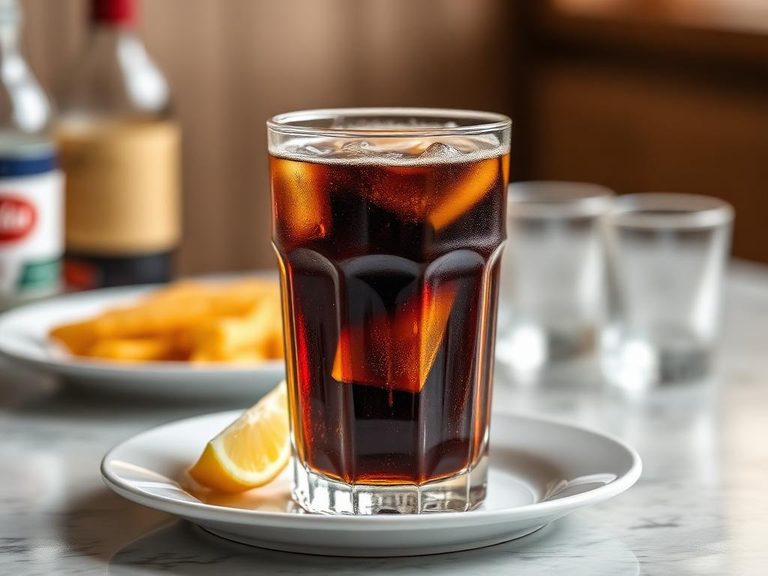
Decaffeinated cola is a carbonated soft drink with the classic caramel color and sweet, slightly spicy flavor profile of regular cola, but without the caffeine. It delivers a crisp, effervescent mouthfeel with a balanced sweet-tart taste. Nutritionally, it is a source of simple carbohydrates, providing 10.58g of sugar per 100ml, with no protein, fat, or fiber.
Calorie split: 0% protein · 100% carbs · 0% fat
↓ Full nutrition💚 Why it's loved
People love it for delivering the iconic, sweet-spicy cola taste and satisfying carbonation without the stimulant effects of caffeine, making it a popular evening or caffeine-sensitive choice. Its versatility as a standalone refreshment or a cooking ingredient adds to its appeal.
⚠️ Watch-outs & how to enjoy it better
The high sugar content can lead to rapid blood-sugar spikes and contributes empty calories, which is a concern for those managing diabetes or calorie intake. To mitigate this, practice strict portion control (e.g., a 200ml serving instead of a 500ml bottle) or pair it with a source of protein or fat (like nuts or cheese) to slow sugar absorption. The acidity can also erode tooth enamel; rinsing your mouth with water afterward can help.
Key benefits
- Provides a quick source of energy from carbohydrates.
- Offers the familiar cola flavor without caffeine intake.
- Can be used as a mixer in cocktails and mocktails.
- Serves as a common ingredient in some marinades and glazes.
- Widely available and consistent in taste.
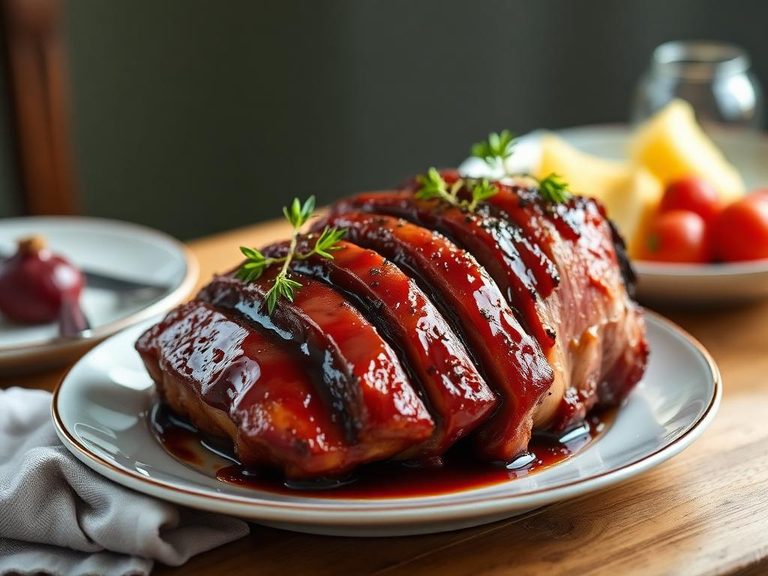
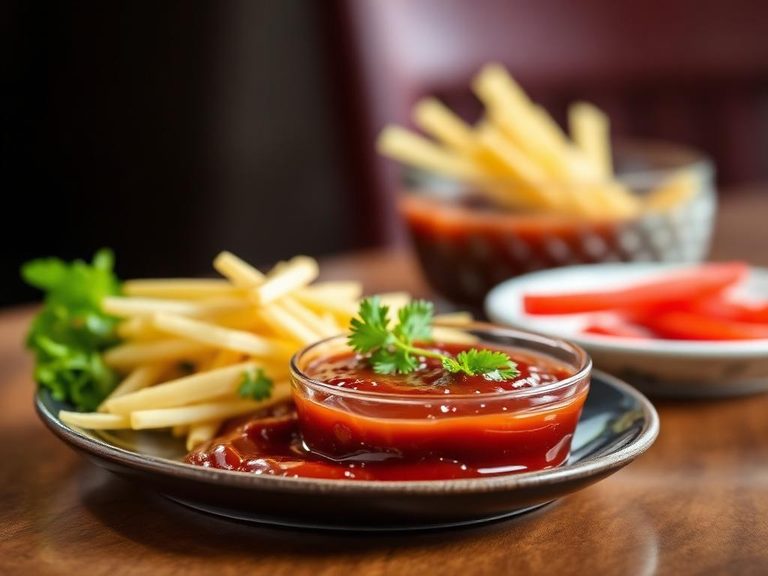
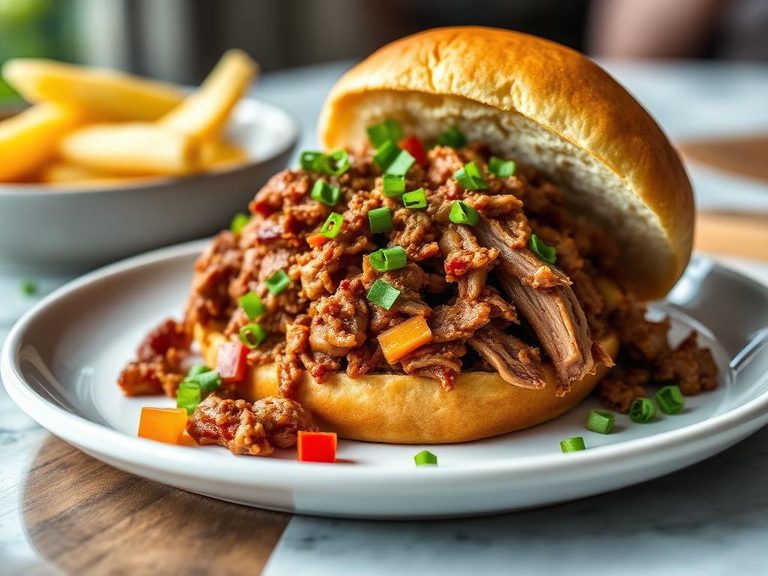
🍽️ Popular dishes


🌍 Where it's eaten
💡 Did you know?
The original recipe for Coca-Cola, and thus its decaffeinated variant, was invented in 1886 by a pharmacist, John Stith Pemberton, who marketed it as a patent medicine and nerve tonic.
Full nutrition (USDA data · scales with serving)
| Water | 89.6 g |
| Energy | 41.0 kcal |
| Protein | 0.00 g |
| Total lipid (fat) | 0.00 g |
| Carbohydrate, by difference | 10.6 g |
| Fiber, total dietary | 0.00 g |
| Total Sugars | 10.6 g |
| Calcium, Ca | 2.0 mg |
| Iron, Fe | 0.02 mg |
| Magnesium, Mg | 0.00 mg |
| Phosphorus, P | 11.0 mg |
| Potassium, K | 3.0 mg |
| Sodium, Na | 4.0 mg |
| Zinc, Zn | 0.01 mg |
| Copper, Cu | 0.00 mg |
| Selenium, Se | 0.10 ug |
| Vitamin C, total ascorbic acid | 0.00 mg |
| Thiamin | 0.00 mg |
| Riboflavin | 0.00 mg |
| Niacin | 0.00 mg |
| Vitamin B-6 | 0.00 mg |
| Folate, total | 0.00 ug |
| Folic acid | 0.00 ug |
| Folate, food | 0.00 ug |
| Folate, DFE | 0.00 ug |
| Choline, total | 0.30 mg |
| Vitamin B-12 | 0.00 ug |
| Vitamin B-12, added | 0.00 ug |
| Vitamin A, RAE | 0.00 ug |
| Retinol | 0.00 ug |
| Carotene, beta | 0.00 ug |
| Carotene, alpha | 0.00 ug |
| Cryptoxanthin, beta | 0.00 ug |
| Lycopene | 0.00 ug |
| Lutein + zeaxanthin | 0.00 ug |
| Vitamin E (alpha-tocopherol) | 0.00 mg |
| Vitamin E, added | 0.00 mg |
| Vitamin D (D2 + D3) | 0.00 ug |
| Vitamin K (phylloquinone) | 0.00 ug |
| Alcohol, ethyl | 0.00 g |
| Caffeine | 0.00 mg |
| Theobromine | 0.00 mg |
Fat & fatty acid profile (per 100g)
| Fatty acids, total saturated | 0.00 g |
| SFA 4:0 | 0.00 g |
| SFA 6:0 | 0.00 g |
| SFA 8:0 | 0.00 g |
| SFA 10:0 | 0.00 g |
| SFA 12:0 | 0.00 g |
| SFA 14:0 | 0.00 g |
| SFA 16:0 | 0.00 g |
| SFA 18:0 | 0.00 g |
| Fatty acids, total monounsaturated | 0.00 g |
| MUFA 16:1 | 0.00 g |
| MUFA 18:1 | 0.00 g |
| MUFA 20:1 | 0.00 g |
| MUFA 22:1 | 0.00 g |
| Fatty acids, total polyunsaturated | 0.00 g |
| PUFA 18:2 | 0.00 g |
| PUFA 18:3 | 0.00 g |
| PUFA 18:4 | 0.00 g |
| PUFA 20:4 | 0.00 g |
| PUFA 20:5 n-3 (EPA) | 0.00 g |
| PUFA 22:5 n-3 (DPA) | 0.00 g |
| PUFA 22:6 n-3 (DHA) | 0.00 g |
| Cholesterol | 0.00 mg |
FAQ
Is decaffeinated cola completely caffeine-free?
Not always. 'Decaffeinated' means most of the caffeine has been removed, but trace amounts (typically 2-15mg per 12oz serving) can remain. For a completely caffeine-free version, check for the specific 'Caffeine-Free' label.
Does decaffeinated cola have the same calories as regular cola?
Yes, the calorie and sugar content is virtually identical to its caffeinated counterpart, as the only major difference is the removal of caffeine.
Can I use decaffeinated cola in recipes that call for regular cola?
Absolutely. Since caffeine doesn't contribute significantly to flavor or cooking chemistry in most dishes, decaffeinated cola is a perfect 1:1 substitute in glazes, cakes, and marinades.
Nutrient density (calculated · NRF9.3)
Nutrient Rich Foods index: beneficial nutrients (protein, fiber, vitamins, minerals) minus saturated fat, added sugar & sodium, per 100 kcal.
NRF9.3 index — Fulgoni, Keast & Drewnowski, 2009. Computed from USDA nutrients.
Weight-loss friendliness (composite index)
Energy density 0.41 kcal/g · 0% calories from protein · 0.0 g fiber · 10.6 g sugar per 100 g.
Composite of energy density (Rolls et al., 1999), protein & fiber satiety, minus sugar. A calculated heuristic — ranks satiety-per-calorie, not a clinical measure.
Dietary load (calculated from USDA values)
Potential renal acid load. Positive = acid-forming, negative = alkaline-forming.
Sodium-to-potassium ratio: 1.33 (lower is better — aim for ≤ 1)
Sodium:potassium per WHO potassium guidance. Computed from USDA nutrients.