

Snacks, granola bars, soft, uncoated, peanut butter
Whole food · Snacks
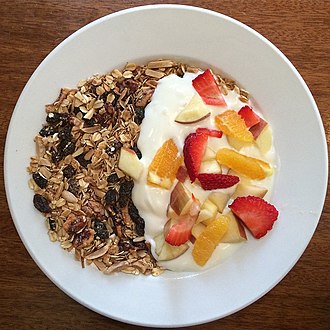
Photo: Wikipedia
A soft, chewy bar where peanut butter is the star, delivering a rich, nutty flavor and a dense, satisfying texture. It's a calorie-dense snack, packing 426 kcal and 15.8g of fat per 100g, primarily from its namesake ingredient. The 10.5g of protein per 100g helps make it more satiating than many sugary snacks.
Calorie split: 10% protein · 58% carbs · 32% fat
↓ Full nutrition💚 Why it's loved
People love it for the straightforward, comforting taste of peanut butter in a convenient, portable form. It's a nostalgic favorite that satisfies a craving for something sweet, salty, and nutty without the snap of a hard coating.
⚠️ Watch-outs & how to enjoy it better
As a calorie-dense, soft snack, it can be easy to overconsume, potentially leading to excess calorie intake. The carbohydrate content (64.4g per 100g) can cause a blood-sugar spike if eaten alone, especially for those monitoring their glucose levels. It is also a common allergen (peanuts). To counteract this, pair a single bar with a source of fiber or additional protein (like a piece of fruit or Greek yogurt), practice portion control by enjoying half a bar at a time, and always check labels for potential cross-contamination if you have a severe allergy.
Key benefits
- Provides a quick and concentrated source of energy from carbohydrates and fats.
- Offers a decent amount of plant-based protein from peanuts.
- The soft, uncoated format makes it easy to chew and less messy than crunchy or chocolate-coated bars.
- Contains some dietary fiber (4.3g per 100g) which aids in satiety.
🍽️ Popular dishes
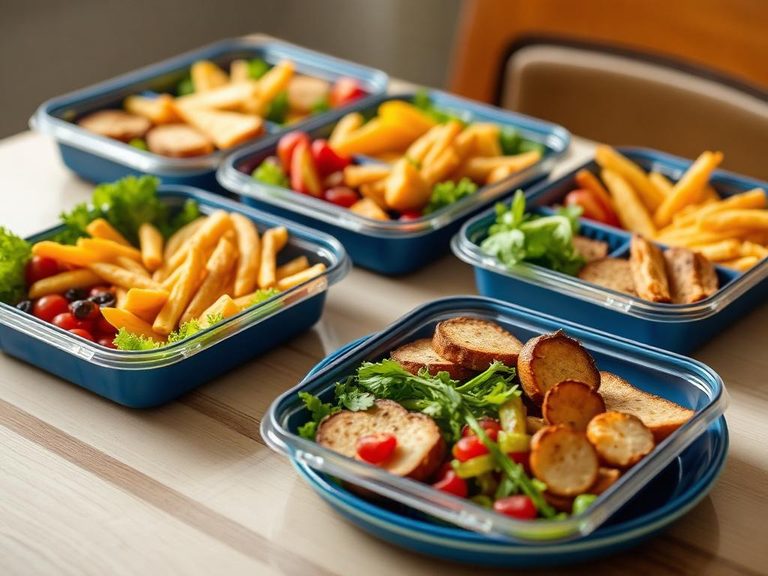
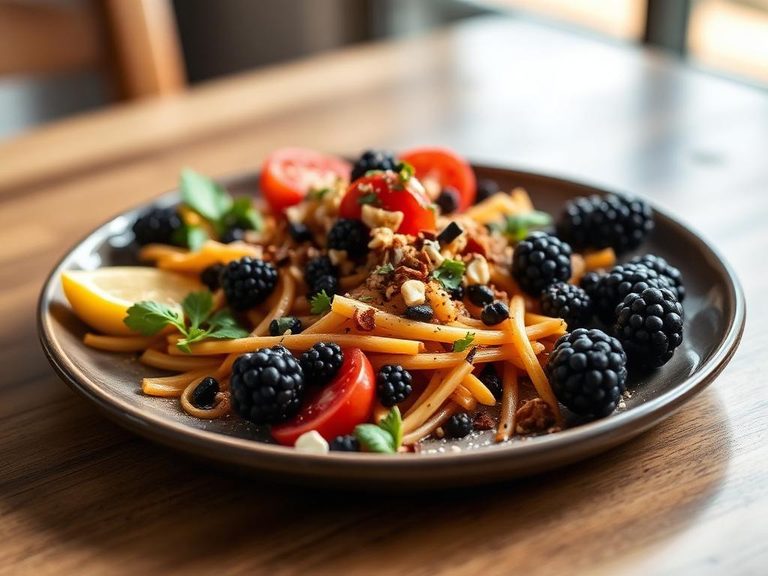
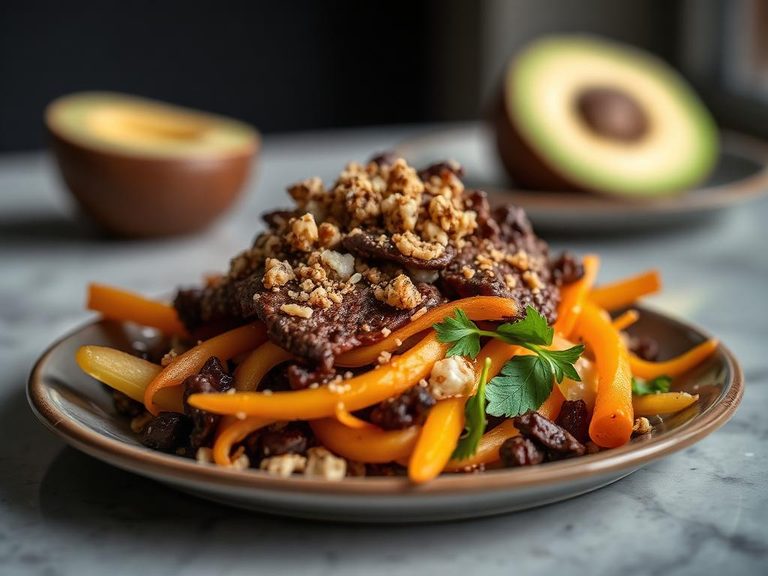
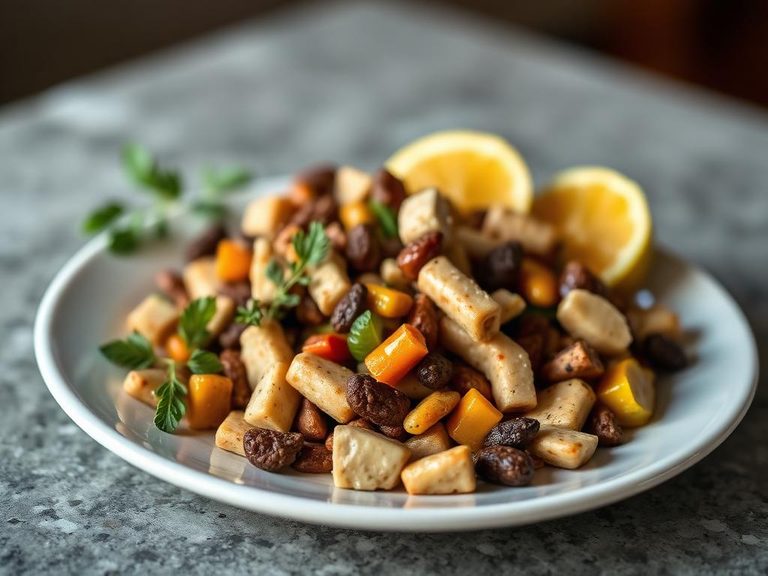
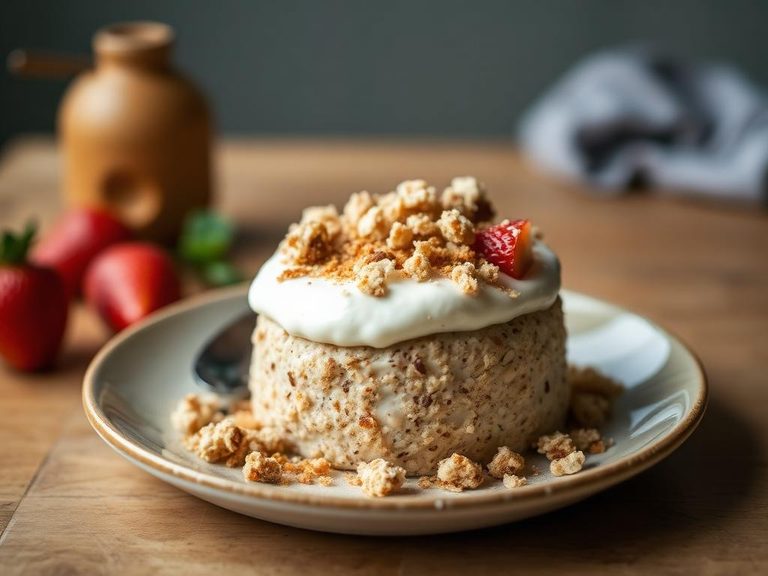
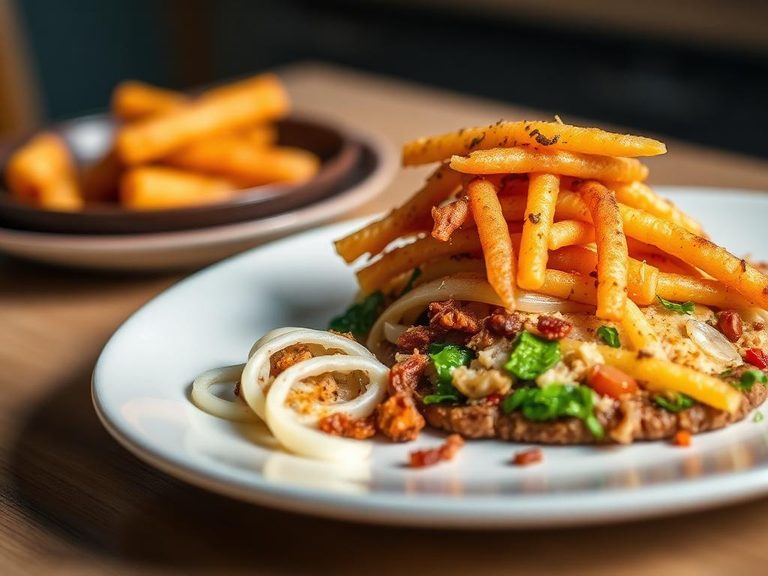
🌍 Where it's eaten
💡 Did you know?
The modern granola bar was popularized in the 1970s by a company that wanted to create a convenient, healthy snack for hikers, evolving from the loose granola cereal invented in the late 19th century.
Full nutrition (USDA data · scales with serving)
| Water | 7.3 g |
| Energy | 426 kcal |
| Energy | 1782 kj |
| Protein | 10.5 g |
| Total lipid (fat) | 15.8 g |
| Ash | 2.1 g |
| Carbohydrate, by difference | 64.4 g |
| Fiber, total dietary | 4.3 g |
| Calcium, Ca | 91.0 mg |
| Iron, Fe | 2.1 mg |
| Magnesium, Mg | 86.0 mg |
| Phosphorus, P | 250 mg |
| Potassium, K | 291 mg |
| Sodium, Na | 409 mg |
| Zinc, Zn | 1.9 mg |
| Copper, Cu | 0.66 mg |
| Manganese, Mn | 1.4 mg |
| Selenium, Se | 18.9 ug |
| Vitamin C, total ascorbic acid | 0.00 mg |
| Thiamin | 0.23 mg |
| Riboflavin | 0.15 mg |
| Niacin | 3.1 mg |
| Pantothenic acid | 0.54 mg |
| Vitamin B-6 | 0.10 mg |
| Folate, total | 32.0 ug |
| Folic acid | 0.00 ug |
| Folate, food | 32.0 ug |
| Folate, DFE | 32.0 ug |
| Vitamin B-12 | 0.20 ug |
| Vitamin A, RAE | 2.0 ug |
| Retinol | 1.0 ug |
| Vitamin A, IU | 14.0 iu |
Fat & fatty acid profile (per 100g)
| Fatty acids, total saturated | 3.6 g |
| SFA 6:0 | 0.01 g |
| SFA 8:0 | 0.15 g |
| SFA 10:0 | 0.12 g |
| SFA 12:0 | 0.89 g |
| SFA 14:0 | 0.34 g |
| SFA 16:0 | 1.7 g |
| SFA 18:0 | 0.46 g |
| Fatty acids, total monounsaturated | 6.6 g |
| MUFA 16:1 | 0.01 g |
| MUFA 18:1 | 6.4 g |
| MUFA 20:1 | 0.16 g |
| Fatty acids, total polyunsaturated | 4.3 g |
| PUFA 18:2 | 4.2 g |
| PUFA 18:3 | 0.03 g |
| PUFA 20:4 | 0.02 g |
| Cholesterol | 0.00 mg |
Amino acid profile (per 100g)
| Tryptophan | 0.11 g |
| Threonine | 0.35 g |
| Isoleucine | 0.37 g |
| Leucine | 0.70 g |
| Lysine | 0.37 g |
| Methionine | 0.15 g |
| Cystine | 0.15 g |
| Phenylalanine | 0.53 g |
| Tyrosine | 0.42 g |
| Valine | 0.47 g |
| Arginine | 1.1 g |
| Histidine | 0.26 g |
| Alanine | 0.44 g |
| Aspartic acid | 1.2 g |
| Glutamic acid | 2.1 g |
| Glycine | 0.58 g |
| Proline | 0.47 g |
| Serine | 0.50 g |
FAQ
How does a soft, uncoated peanut butter bar differ from a crunchy or coated one?
The soft, uncoated version has a dense, chewy, almost dough-like texture focused purely on the peanut butter and grain base. Crunchy bars include added crispies (like puffed rice), and coated bars have a layer of chocolate or yogurt, which adds sugar, fat, and a different textural contrast.
Is this a good snack for weight management?
It can be part of a weight management plan due to its protein and fat content which promote fullness. However, its high calorie density (426 kcal per 100g) means portion control is crucial. A single bar can be a substantial snack, so it's best enjoyed mindfully as part of a balanced diet.
Why is there 0g of sugar listed if it tastes sweet?
The nutrition profile provided shows 0g of *added* sugar. The sweetness likely comes from the natural sugars in the peanut butter and other ingredients like dates or fruit purees, which are not classified as 'added sugars' on many nutrition labels. Always check the ingredient list for specifics.
Nutrient density (calculated · NRF9.3)
Nutrient Rich Foods index: beneficial nutrients (protein, fiber, vitamins, minerals) minus saturated fat, added sugar & sodium, per 100 kcal.
NRF9.3 index — Fulgoni, Keast & Drewnowski, 2009. Computed from USDA nutrients.
Weight-loss friendliness (composite index)
Energy density 4.26 kcal/g · 10% calories from protein · 4.3 g fiber · 0.0 g sugar per 100 g.
Composite of energy density (Rolls et al., 1999), protein & fiber satiety, minus sugar. A calculated heuristic — ranks satiety-per-calorie, not a clinical measure.
Dietary load (calculated from USDA values)
Potential renal acid load. Positive = acid-forming, negative = alkaline-forming.
Sodium-to-potassium ratio: 1.41 (lower is better — aim for ≤ 1)
Sodium:potassium per WHO potassium guidance. Computed from USDA nutrients.