

Seeds, watermelon seed kernels, dried
Whole food · Nut and Seed Products

Photo: Wikipedia
Watermelon seed kernels are the tender, white, teardrop-shaped hearts extracted from the hard black shells of watermelon seeds. They offer a delicate, nutty flavor with a satisfyingly crisp yet tender texture, similar to a pine nut or pumpkin seed. Nutritionally, they are a powerhouse of plant-based protein and healthy fats, making them a surprisingly dense snack.
Calorie split: 19% protein · 10% carbs · 71% fat
↓ Full nutrition💚 Why it's loved
People love them for their subtle, buttery crunch and versatility—they can be eaten raw, roasted, or ground into a paste. They are a beloved, protein-rich snack and garnish in many cultures, often enjoyed during festive seasons.
⚠️ Watch-outs & how to enjoy it better
The high fat content means calories add up quickly, so portion control is key. Some individuals may experience digestive discomfort if consuming large quantities of the fibrous seed hulls. To counteract this, opt for hulled kernels and start with a small serving (1-2 tablespoons) to assess tolerance.
Key benefits
- Excellent source of plant-based protein (28g per 100g)
- Rich in heart-healthy monounsaturated and polyunsaturated fats
- Good source of minerals like magnesium, iron, and zinc
- Naturally gluten-free and low in carbohydrates
🍽️ Popular dishes
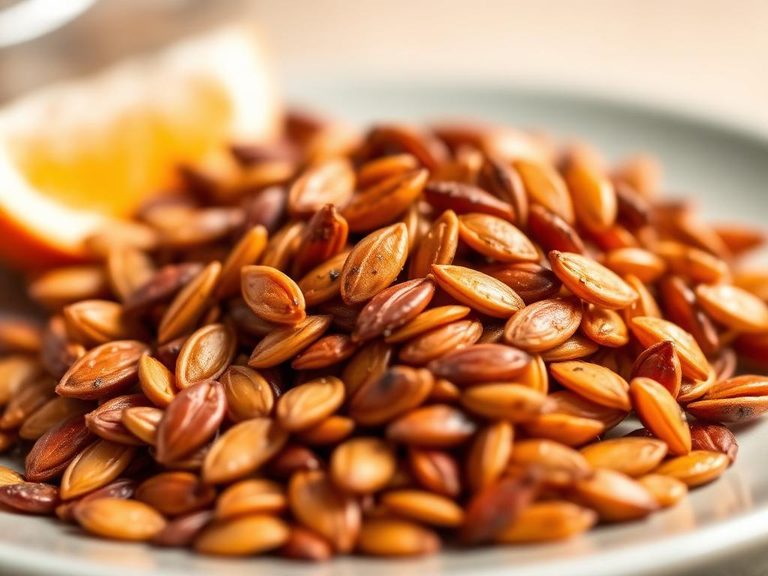
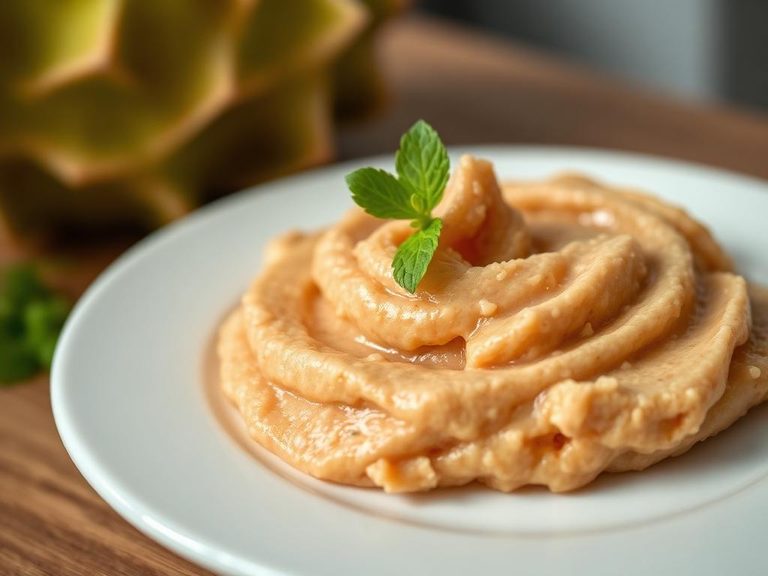
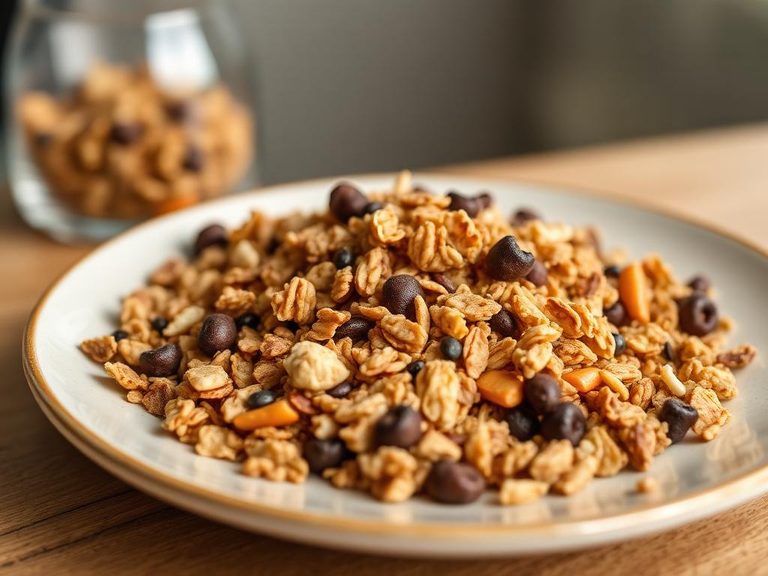
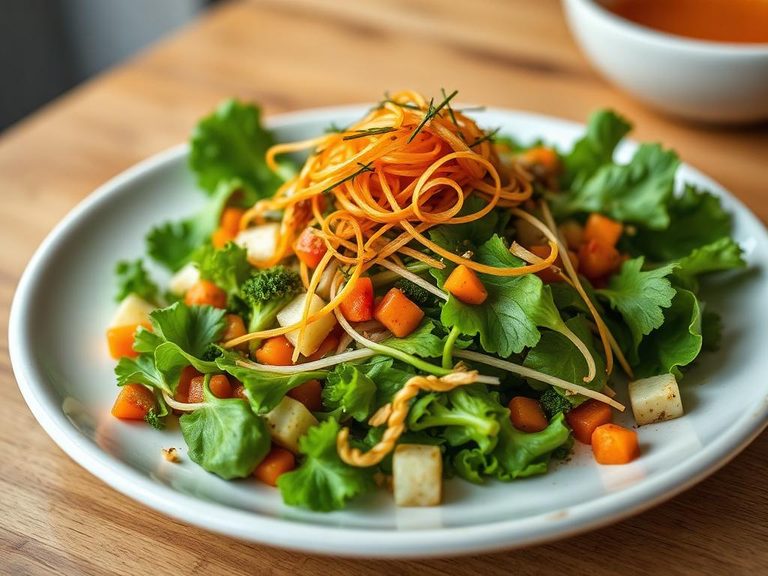
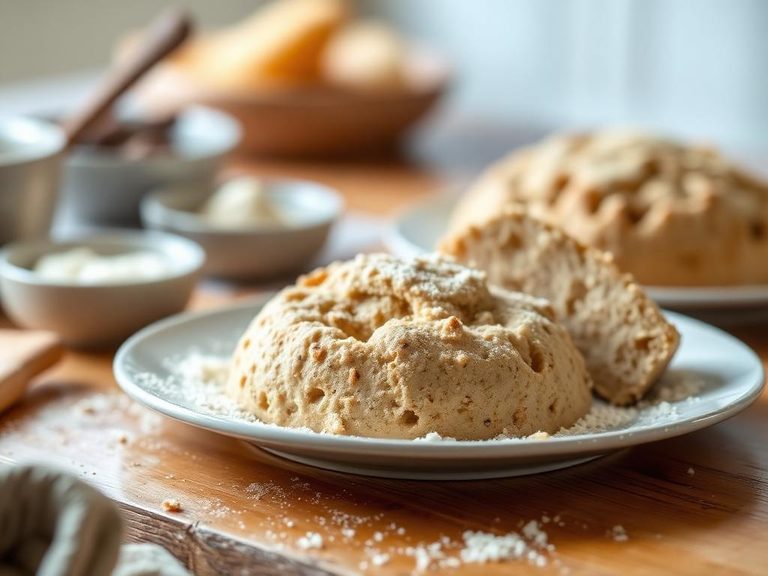
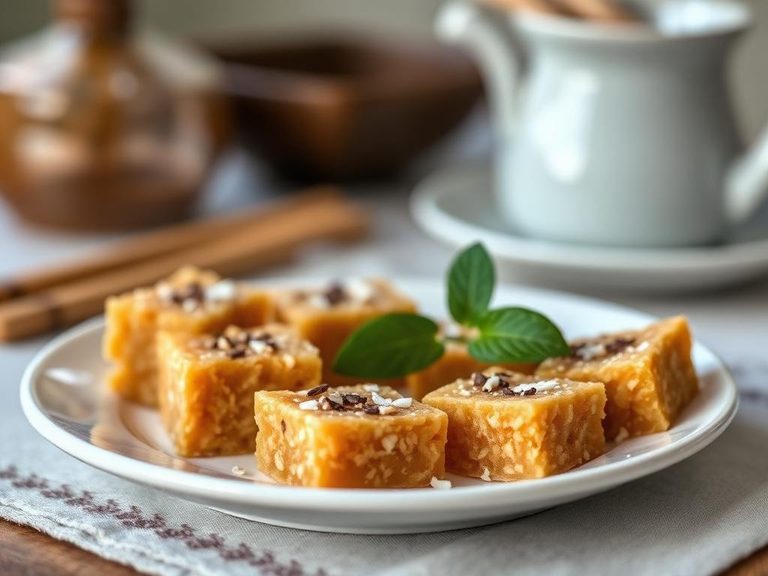
🌍 Where it's eaten
💡 Did you know?
It takes approximately 850 watermelon seeds to produce just one ounce (28g) of hulled kernels, making them a labor-intensive but prized delicacy.
Full nutrition (USDA data · scales with serving)
| Water | 5.0 g |
| Energy | 557 kcal |
| Energy | 2330 kj |
| Protein | 28.3 g |
| Total lipid (fat) | 47.4 g |
| Ash | 3.9 g |
| Carbohydrate, by difference | 15.3 g |
| Calcium, Ca | 54.0 mg |
| Iron, Fe | 7.3 mg |
| Magnesium, Mg | 515 mg |
| Phosphorus, P | 755 mg |
| Potassium, K | 648 mg |
| Sodium, Na | 99.0 mg |
| Zinc, Zn | 10.2 mg |
| Copper, Cu | 0.69 mg |
| Manganese, Mn | 1.6 mg |
| Vitamin C, total ascorbic acid | 0.00 mg |
| Thiamin | 0.19 mg |
| Riboflavin | 0.14 mg |
| Niacin | 3.5 mg |
| Pantothenic acid | 0.35 mg |
| Vitamin B-6 | 0.09 mg |
| Folate, total | 58.0 ug |
| Folic acid | 0.00 ug |
| Folate, food | 58.0 ug |
| Folate, DFE | 58.0 ug |
| Vitamin B-12 | 0.00 ug |
| Vitamin A, RAE | 0.00 ug |
| Retinol | 0.00 ug |
| Vitamin A, IU | 0.00 iu |
| Vitamin D (D2 + D3), International Units | 0.00 iu |
| Vitamin D (D2 + D3) | 0.00 ug |
Fat & fatty acid profile (per 100g)
| Fatty acids, total saturated | 9.8 g |
| SFA 16:0 | 5.4 g |
| SFA 18:0 | 4.3 g |
| Fatty acids, total monounsaturated | 7.4 g |
| MUFA 16:1 | 0.09 g |
| MUFA 18:1 | 7.3 g |
| Fatty acids, total polyunsaturated | 28.1 g |
| PUFA 18:2 | 28.1 g |
| Cholesterol | 0.00 mg |
Amino acid profile (per 100g)
| Tryptophan | 0.39 g |
| Threonine | 1.1 g |
| Isoleucine | 1.3 g |
| Leucine | 2.1 g |
| Lysine | 0.89 g |
| Methionine | 0.83 g |
| Cystine | 0.44 g |
| Phenylalanine | 2.0 g |
| Tyrosine | 1.0 g |
| Valine | 1.6 g |
| Arginine | 4.9 g |
| Histidine | 0.78 g |
| Alanine | 1.5 g |
| Aspartic acid | 2.8 g |
| Glutamic acid | 5.7 g |
| Glycine | 1.7 g |
| Proline | 1.3 g |
| Serine | 1.5 g |
FAQ
How do you eat watermelon seed kernels?
They are typically eaten hulled (without the black shell). You can enjoy them raw, dry-roasted, or pan-toasted with spices like salt, pepper, or paprika for extra flavor.
Are watermelon seeds a common allergen?
While not one of the top major allergens, seed allergies do exist. Individuals with allergies to other seeds (like sesame or sunflower) or tree nuts should exercise caution and consult an allergist if unsure.
What is the best way to store them?
Due to their high oil content, store hulled kernels in an airtight container in a cool, dark place for up to 3 months, or in the refrigerator for up to 6 months to prevent them from going rancid.
Nutrient density (calculated · NRF9.3)
Nutrient Rich Foods index: beneficial nutrients (protein, fiber, vitamins, minerals) minus saturated fat, added sugar & sodium, per 100 kcal.
NRF9.3 index — Fulgoni, Keast & Drewnowski, 2009. Computed from USDA nutrients.
Weight-loss friendliness (composite index)
Energy density 5.57 kcal/g · 20% calories from protein · 0.0 g fiber · 0.0 g sugar per 100 g.
Composite of energy density (Rolls et al., 1999), protein & fiber satiety, minus sugar. A calculated heuristic — ranks satiety-per-calorie, not a clinical measure.
Dietary load (calculated from USDA values)
Potential renal acid load. Positive = acid-forming, negative = alkaline-forming.
Sodium-to-potassium ratio: 0.15 (lower is better — aim for ≤ 1)
Sodium:potassium per WHO potassium guidance. Computed from USDA nutrients.