

Watermelon seed butter
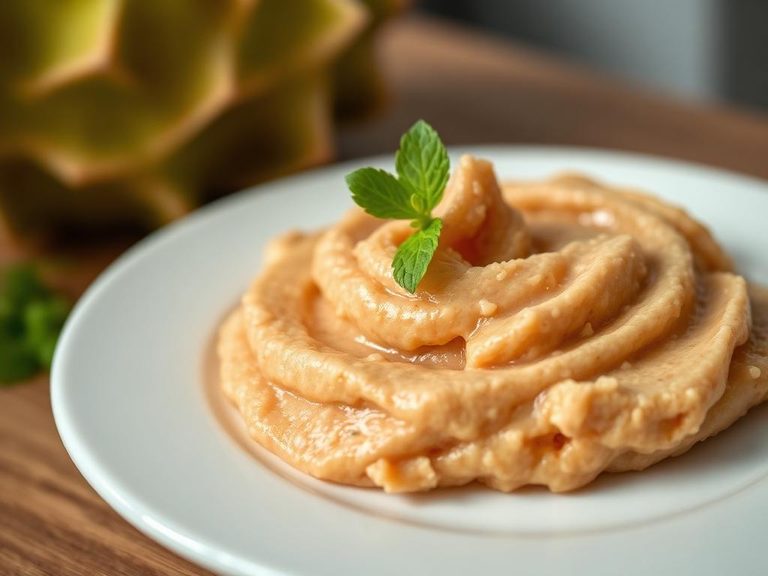
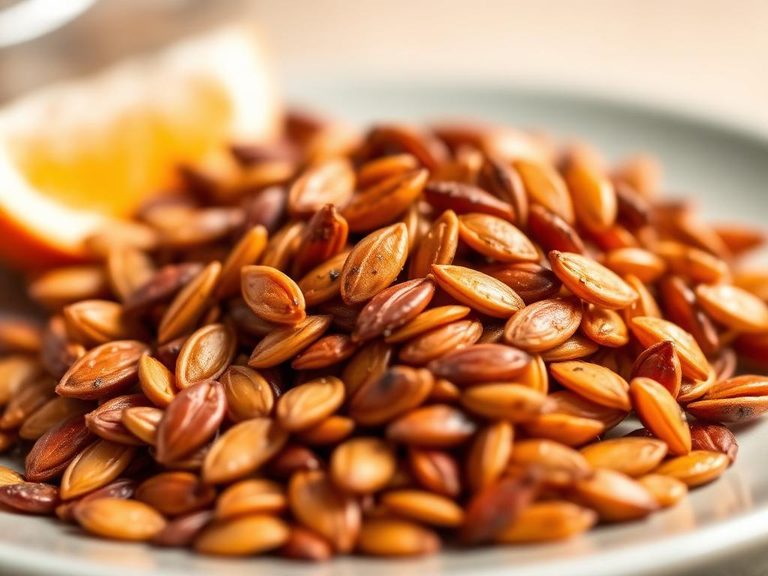
Watermelon seed butter is a creamy, nut-free spread made from roasted and ground watermelon seeds, similar in texture and use to tahini. It's typically made with just watermelon seeds and a neutral oil, though some recipes add salt or a touch of sweetener. This innovative condiment has gained popularity in health food circles, particularly in the United States and Europe, as a sustainable and allergen-friendly alternative to traditional seed and nut butters.
🍽️ Nutrition at a glance
It is a high-fat, high-protein spread with a moderate amount of carbohydrates, providing a good source of magnesium, iron, and zinc. A typical 2-tablespoon serving contains around 150-170 calories.
Nutrition breakdown
| Calories | 160 kcal |
| Protein | 7 g |
| Carbs | 4 g |
| Fat | 14 g |
| Fiber | 2 g |
| Sugar | 1 g |
| Sodium | 5 mg |
| Magnesium | 60 mg |
| Iron | 2.5 mg |
| Zinc | 2 mg |
| Phosphorus | 180 mg |
| Manganese | 1.2 mg |
| Thiamin (B1) | 0.2 mg |
| Potassium | 150 mg |
| Copper | 0.3 mg |
Per 2 tablespoons (32 g) · estimated, varies by recipe
💡 What's interesting
Watermelon seed butter is a prime example of upcycling food by using a part of the fruit often discarded, making it an environmentally conscious choice. Nutritionally, it's a complete protein, containing all nine essential amino acids, which is relatively rare for plant-based foods.
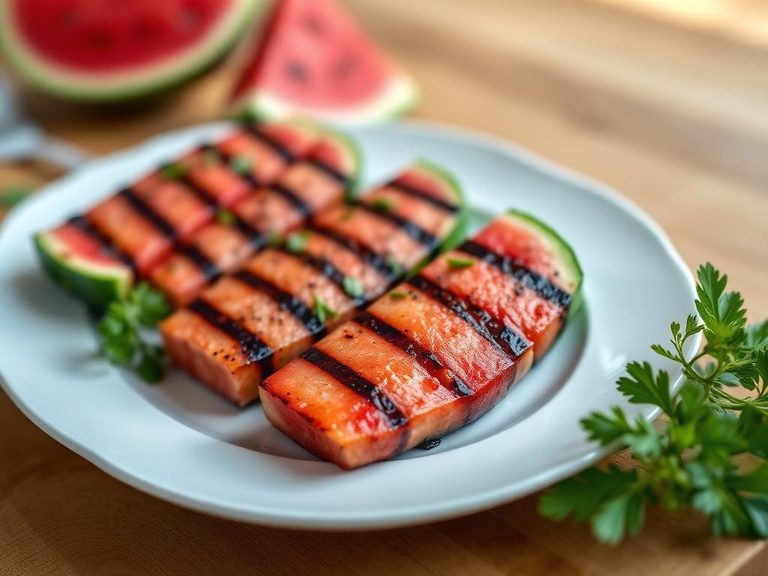
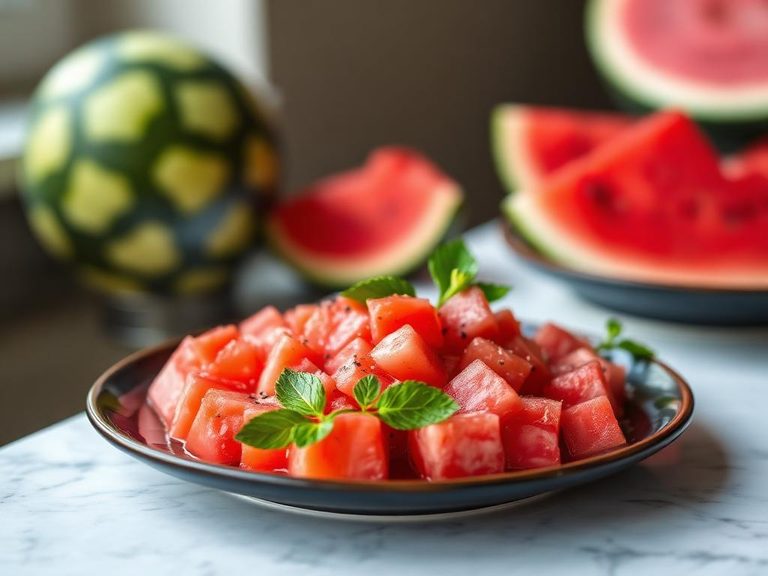
🍽️ Related dishes
AI estimate may be inaccurate · Terms