

Seeds, safflower seed meal, partially defatted
Whole food · Nut and Seed Products

Photo: Wikipedia
Safflower seed meal is the high-protein, fibrous residue left after extracting oil from safflower seeds. It has a dry, slightly gritty texture and a mild, nutty, earthy flavor reminiscent of toasted sunflower seeds. Nutritionally, it is a powerhouse, packing an impressive 35.62g of protein per 100g with very little fat.
Calorie split: 40% protein · 54% carbs · 6% fat
↓ Full nutrition💚 Why it's loved
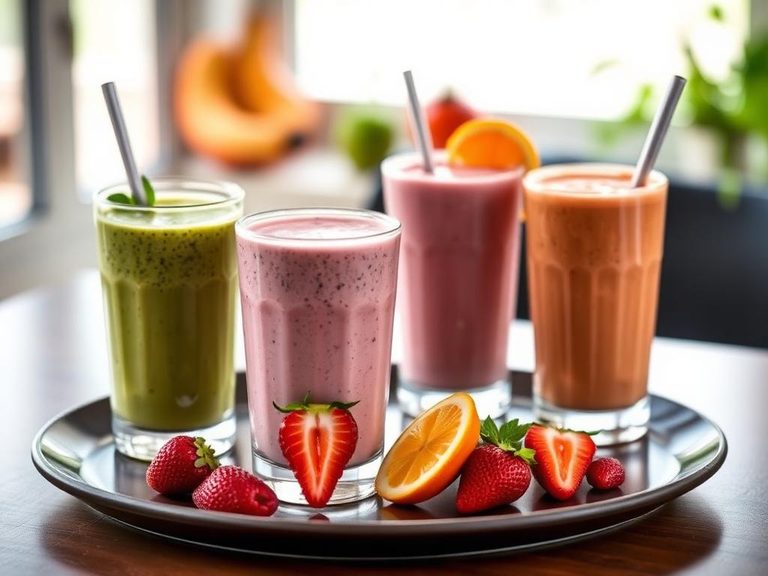
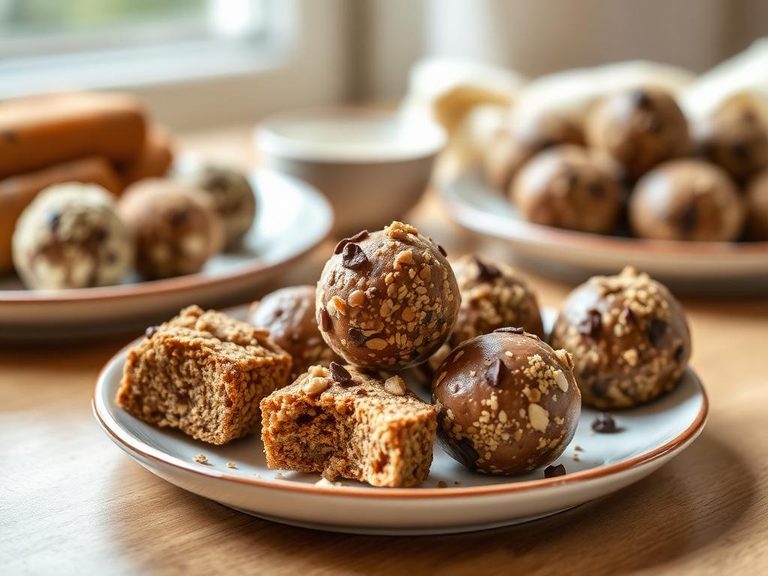
People love it for its ability to boost the protein and fiber content of baked goods and smoothies without a strong flavor, making it a seamless nutritional upgrade. Its neutral, nutty taste also blends well in both savory and sweet applications.
⚠️ Watch-outs & how to enjoy it better
Its dry, gritty texture can be unpalatable if used in large quantities, potentially making baked goods dense or chalky. As a concentrated source of protein and fiber, it may cause digestive discomfort (bloating, gas) for those not accustomed to it. **Tip:** Start with small amounts (1-2 tablespoons) and increase gradually. Mix it thoroughly with wet ingredients and consider pairing it with a healthy fat like yogurt or nut butter to improve texture and satiety.
Key benefits
- Exceptionally high in plant-based protein
- Very low in fat, ideal for lean diets
- Rich in essential minerals like magnesium and phosphorus
- Provides a good source of dietary fiber
- A versatile, gluten-free flour or meal alternative
🍽️ Popular dishes

🌍 Where it's eaten
💡 Did you know?
Safflower, the plant these seeds come from, was historically cultivated not for its seeds but for the vibrant yellow and red dyes extracted from its flower petals, which were used to color textiles and food for centuries.
Full nutrition (USDA data · scales with serving)
| Water | 6.4 g |
| Energy | 342 kcal |
| Energy | 1431 kj |
| Protein | 35.6 g |
| Total lipid (fat) | 2.4 g |
| Ash | 6.8 g |
| Carbohydrate, by difference | 48.7 g |
| Calcium, Ca | 77.0 mg |
| Iron, Fe | 4.9 mg |
| Magnesium, Mg | 350 mg |
| Phosphorus, P | 638 mg |
| Potassium, K | 68.0 mg |
| Sodium, Na | 3.0 mg |
| Zinc, Zn | 5.0 mg |
| Copper, Cu | 1.7 mg |
| Manganese, Mn | 2.0 mg |
| Vitamin C, total ascorbic acid | 0.00 mg |
| Thiamin | 1.2 mg |
| Riboflavin | 0.41 mg |
| Niacin | 2.3 mg |
| Pantothenic acid | 4.0 mg |
| Vitamin B-6 | 1.2 mg |
| Folate, total | 159 ug |
| Folic acid | 0.00 ug |
| Folate, food | 159 ug |
| Folate, DFE | 159 ug |
| Vitamin B-12 | 0.00 ug |
| Vitamin A, RAE | 2.0 ug |
| Retinol | 0.00 ug |
| Vitamin A, IU | 49.0 iu |
| Vitamin D (D2 + D3), International Units | 0.00 iu |
| Vitamin D (D2 + D3) | 0.00 ug |
Fat & fatty acid profile (per 100g)
| Fatty acids, total saturated | 0.21 g |
| SFA 14:0 | 0.00 g |
| SFA 16:0 | 0.14 g |
| SFA 18:0 | 0.05 g |
| Fatty acids, total monounsaturated | 0.27 g |
| MUFA 16:1 | 0.00 g |
| MUFA 18:1 | 0.27 g |
| Fatty acids, total polyunsaturated | 1.6 g |
| PUFA 18:2 | 1.6 g |
| PUFA 18:3 | 0.01 g |
| Cholesterol | 0.00 mg |
Amino acid profile (per 100g)
| Tryptophan | 0.40 g |
| Threonine | 1.3 g |
| Isoleucine | 1.6 g |
| Leucine | 2.5 g |
| Lysine | 1.2 g |
| Methionine | 0.63 g |
| Cystine | 0.69 g |
| Phenylalanine | 1.8 g |
| Tyrosine | 1.2 g |
| Valine | 2.3 g |
| Arginine | 3.9 g |
| Histidine | 0.99 g |
| Alanine | 1.7 g |
| Aspartic acid | 4.0 g |
| Glutamic acid | 8.1 g |
| Glycine | 2.2 g |
| Proline | 1.6 g |
| Serine | 1.8 g |
FAQ
How is safflower seed meal different from safflower flour?
They are essentially the same product. 'Meal' typically implies a slightly coarser grind, while 'flour' is finer, but both refer to the defatted seed residue. Nutritionally, they are identical.
Can I use it as a 1:1 substitute for wheat flour in recipes?
No, it cannot replace wheat flour entirely. It lacks gluten, which provides structure. Use it to replace up to 1/4 to 1/3 of the flour in a recipe to boost protein without ruining the texture.
Is safflower seed meal the same as sunflower seed meal?
No, they are from different plants. While nutritionally similar (both high-protein, low-fat), safflower meal has a milder, nuttier flavor, whereas sunflower meal can have a more pronounced, sometimes slightly bitter, green note.
Nutrient density (calculated · NRF9.3)
Nutrient Rich Foods index: beneficial nutrients (protein, fiber, vitamins, minerals) minus saturated fat, added sugar & sodium, per 100 kcal.
NRF9.3 index — Fulgoni, Keast & Drewnowski, 2009. Computed from USDA nutrients.
Weight-loss friendliness (composite index)
Energy density 3.42 kcal/g · 42% calories from protein · 0.0 g fiber · 0.0 g sugar per 100 g.
Composite of energy density (Rolls et al., 1999), protein & fiber satiety, minus sugar. A calculated heuristic — ranks satiety-per-calorie, not a clinical measure.
Dietary load (calculated from USDA values)
Potential renal acid load. Positive = acid-forming, negative = alkaline-forming.
Sodium-to-potassium ratio: 0.04 (lower is better — aim for ≤ 1)
Sodium:potassium per WHO potassium guidance. Computed from USDA nutrients.