

Seeds, safflower seed kernels, dried
Whole food · Nut and Seed Products

Photo: Wikipedia
Safflower seed kernels are the tender, off-white inner hearts of the thistle-like safflower plant, prized for their mild, nutty flavor and satisfying crunch. With a high-fat profile dominated by polyunsaturated fatty acids, they offer a rich, buttery mouthfeel without the heaviness of nuts. These kernels are a calorie-dense, protein-rich snack that bridges the gap between a traditional seed and a gourmet nut.
Calorie split: 12% protein · 25% carbs · 63% fat
↓ Full nutrition💚 Why it's loved
People love safflower kernels for their delicate, buttery taste that doesn't overpower other ingredients, making them a versatile addition to both sweet and savory dishes. Their satisfying crunch and nutritional density make them a favorite for health-conscious snacking and gourmet cooking.
⚠️ Watch-outs & how to enjoy it better
The high fat content (38.45g per 100g) can lead to excess calorie intake if not portion-controlled, potentially contributing to weight gain. To counteract this, pair them with high-fiber foods like vegetables or whole grains to slow digestion and promote satiety. Additionally, as a seed, they can be an allergen for some; those with seed allergies should avoid them or consult a specialist.
Key benefits
- Rich in polyunsaturated fats, particularly linoleic acid, supporting heart health.
- Provides a good source of plant-based protein for muscle maintenance.
- Contains vitamin E, a powerful antioxidant that helps protect cells from damage.
- Offers a gluten-free, nut-free alternative for snacking and baking.
🍽️ Popular dishes
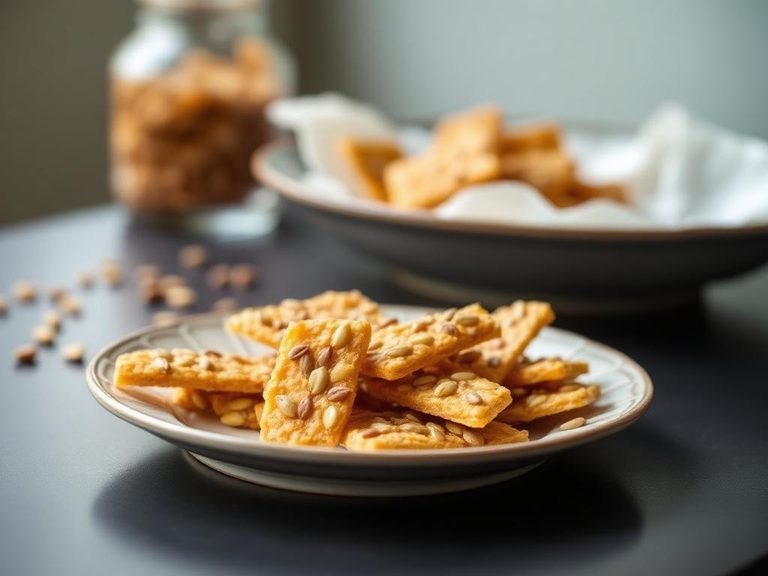
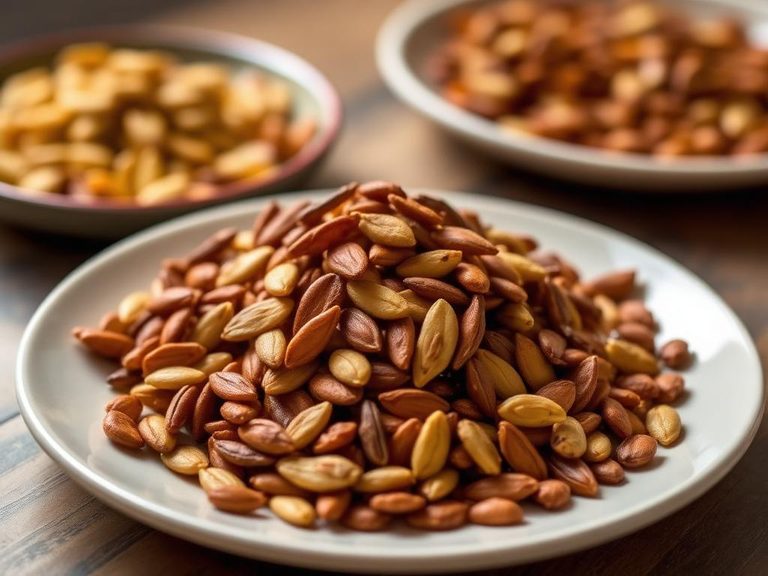
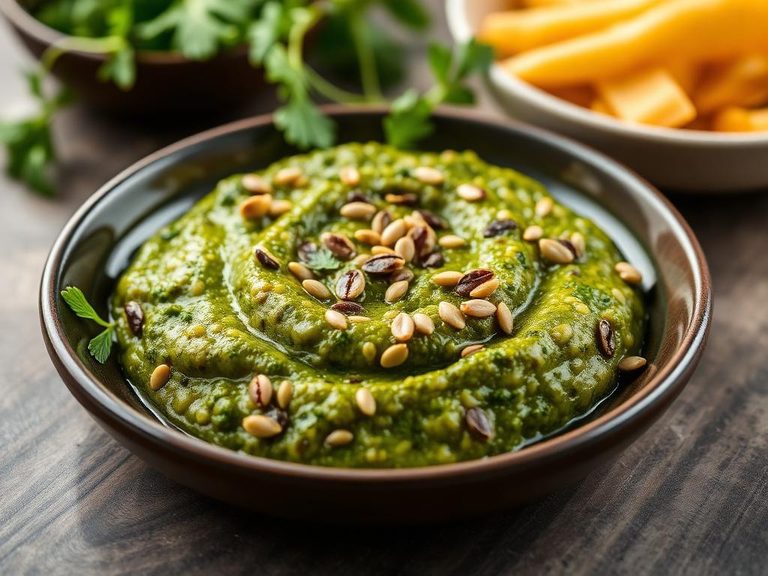
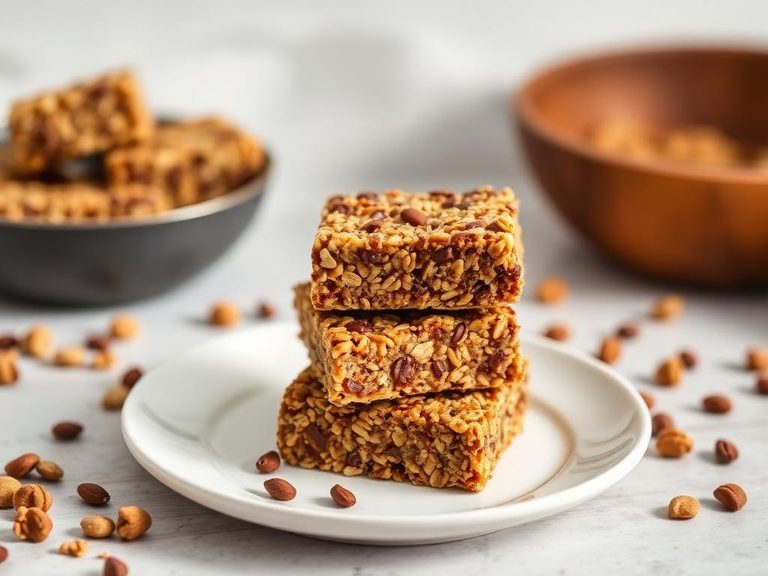
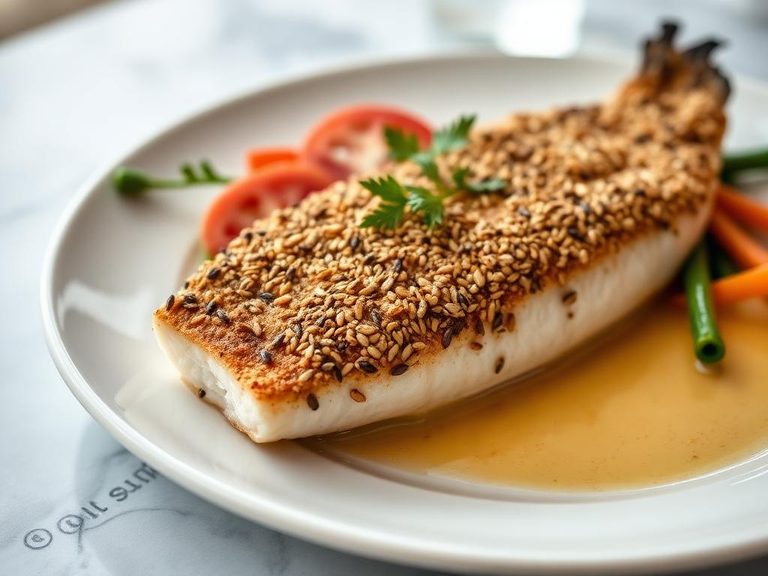
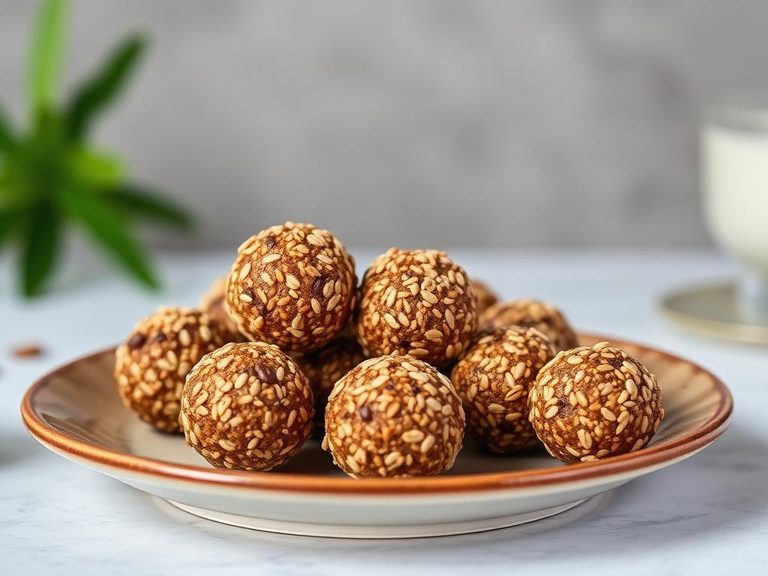
🌍 Where it's eaten
💡 Did you know?
Safflower seeds were historically used as a cheaper substitute for saffron in dyeing fabrics and food, earning them the nickname 'poor man's saffron' in some regions.
Full nutrition (USDA data · scales with serving)
| Water | 5.6 g |
| Energy | 517 kcal |
| Energy | 2163 kj |
| Protein | 16.2 g |
| Total lipid (fat) | 38.5 g |
| Ash | 5.5 g |
| Carbohydrate, by difference | 34.3 g |
| Calcium, Ca | 78.0 mg |
| Iron, Fe | 4.9 mg |
| Magnesium, Mg | 353 mg |
| Phosphorus, P | 644 mg |
| Potassium, K | 687 mg |
| Sodium, Na | 3.0 mg |
| Zinc, Zn | 5.0 mg |
| Copper, Cu | 1.7 mg |
| Manganese, Mn | 2.0 mg |
| Vitamin C, total ascorbic acid | 0.00 mg |
| Thiamin | 1.2 mg |
| Riboflavin | 0.41 mg |
| Niacin | 2.3 mg |
| Pantothenic acid | 4.0 mg |
| Vitamin B-6 | 1.2 mg |
| Folate, total | 160 ug |
| Folic acid | 0.00 ug |
| Folate, food | 160 ug |
| Folate, DFE | 160 ug |
| Vitamin B-12 | 0.00 ug |
| Vitamin A, RAE | 3.0 ug |
| Retinol | 0.00 ug |
| Vitamin A, IU | 50.0 iu |
| Vitamin D (D2 + D3), International Units | 0.00 iu |
| Vitamin D (D2 + D3) | 0.00 ug |
Fat & fatty acid profile (per 100g)
| Fatty acids, total saturated | 3.7 g |
| SFA 14:0 | 0.04 g |
| SFA 16:0 | 2.6 g |
| SFA 18:0 | 0.92 g |
| Fatty acids, total monounsaturated | 4.8 g |
| MUFA 16:1 | 0.04 g |
| MUFA 18:1 | 4.8 g |
| Fatty acids, total polyunsaturated | 28.2 g |
| PUFA 18:2 | 28.1 g |
| PUFA 18:3 | 0.11 g |
| Cholesterol | 0.00 mg |
Amino acid profile (per 100g)
| Tryptophan | 0.18 g |
| Threonine | 0.59 g |
| Isoleucine | 0.72 g |
| Leucine | 1.2 g |
| Lysine | 0.53 g |
| Methionine | 0.28 g |
| Cystine | 0.31 g |
| Phenylalanine | 0.81 g |
| Tyrosine | 0.53 g |
| Valine | 1.0 g |
| Arginine | 1.7 g |
| Histidine | 0.45 g |
| Alanine | 0.77 g |
| Aspartic acid | 1.8 g |
| Glutamic acid | 3.7 g |
| Glycine | 1.0 g |
| Proline | 0.73 g |
| Serine | 0.81 g |
FAQ
Are safflower seed kernels the same as sunflower seeds?
No, safflower seeds come from the safflower plant (Carthamus tinctorius), while sunflower seeds come from the sunflower plant (Helianthus annuus). They differ in taste, texture, and nutritional profile.
Can safflower seed kernels be eaten raw?
Yes, they can be eaten raw, but roasting enhances their nutty flavor and crunch. They are often used in salads, granola, or as a snack.
How should safflower seed kernels be stored?
Store them in an airtight container in a cool, dark place to prevent rancidity. For longer storage, refrigerate or freeze them.
Are safflower seed kernels suitable for a keto diet?
While they are high in fat, they also contain significant carbs (34.29g per 100g), which may not align with strict keto guidelines. Use in moderation.
Nutrient density (calculated · NRF9.3)
Nutrient Rich Foods index: beneficial nutrients (protein, fiber, vitamins, minerals) minus saturated fat, added sugar & sodium, per 100 kcal.
NRF9.3 index — Fulgoni, Keast & Drewnowski, 2009. Computed from USDA nutrients.
Weight-loss friendliness (composite index)
Energy density 5.17 kcal/g · 13% calories from protein · 0.0 g fiber · 0.0 g sugar per 100 g.
Composite of energy density (Rolls et al., 1999), protein & fiber satiety, minus sugar. A calculated heuristic — ranks satiety-per-calorie, not a clinical measure.
Dietary load (calculated from USDA values)
Potential renal acid load. Positive = acid-forming, negative = alkaline-forming.
Sodium-to-potassium ratio: 0.00 (lower is better — aim for ≤ 1)
Sodium:potassium per WHO potassium guidance. Computed from USDA nutrients.