

Seeds, lotus seeds, raw
Whole food · Nut and Seed Products

Photo: Wikipedia
Lotus seeds are the small, nutty kernels harvested from the lotus flower's seed pod. When raw, they are hard and pale, with a mild, slightly sweet flavor that becomes starchy and chewy when cooked. They are a notable source of plant-based protein and complex carbohydrates, providing sustained energy.
Calorie split: 18% protein · 76% carbs · 5% fat
↓ Full nutrition💚 Why it's loved
People love lotus seeds for their unique, satisfyingly chewy texture and delicate, nutty flavor that absorbs the tastes of surrounding ingredients. They are deeply cherished in Asian cultures, symbolizing purity and fertility, and are a versatile ingredient in both sweet desserts and savory dishes.
⚠️ Watch-outs & how to enjoy it better
Raw lotus seeds are very hard and inedible, requiring soaking and cooking, which can be time-consuming. Their high carbohydrate content can cause blood sugar spikes if eaten in large quantities without fiber or fat, so pairing them with vegetables or a small amount of healthy fat is recommended. Some individuals may have a rare allergy to lotus seeds, so caution is advised for first-time consumers.
Key benefits
- Good source of plant-based protein (4.13g per 100g).
- Rich in complex carbohydrates for sustained energy.
- Naturally low in fat (0.53g per 100g).
- Contains essential minerals like magnesium and potassium.
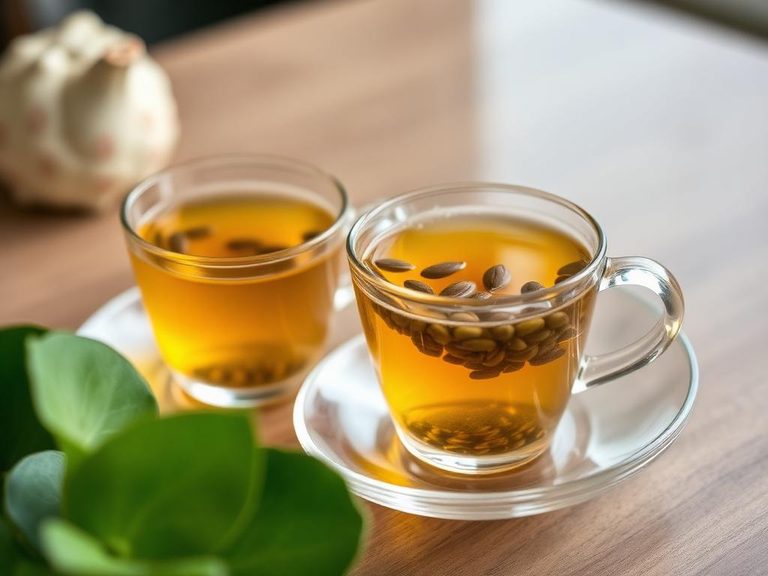
- Traditional ingredient in calming herbal soups and teas.
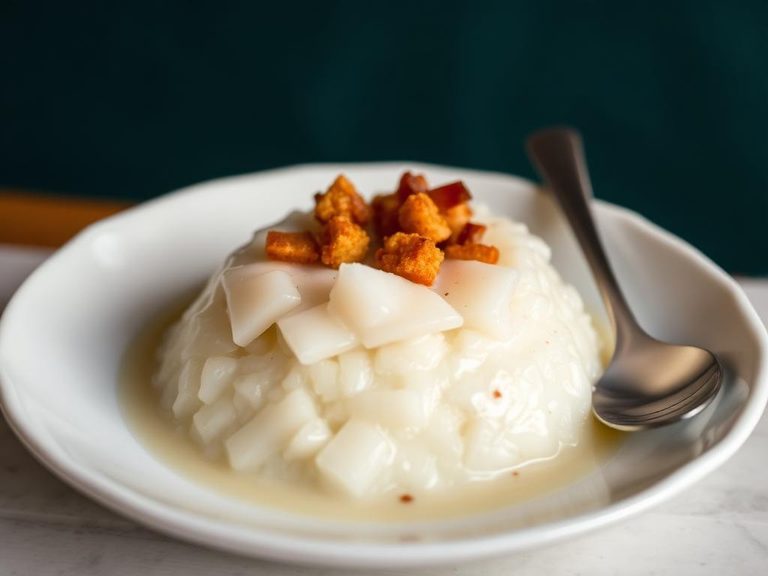
🍽️ Popular dishes
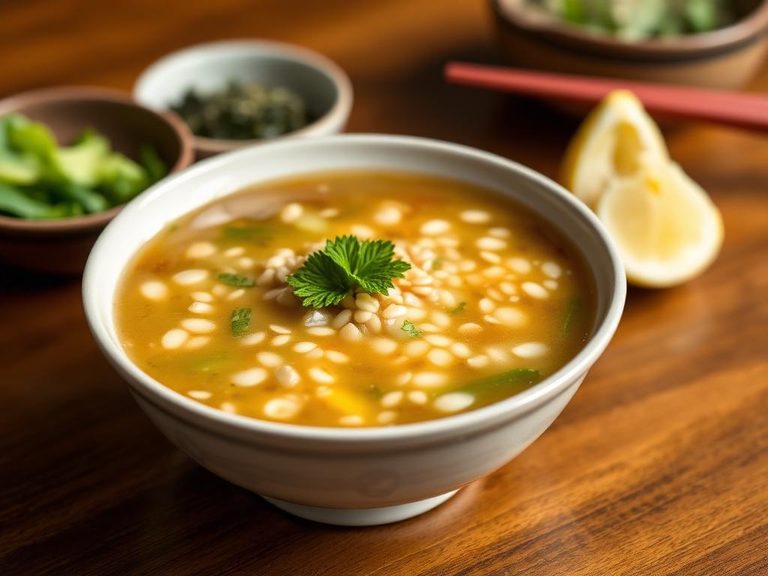
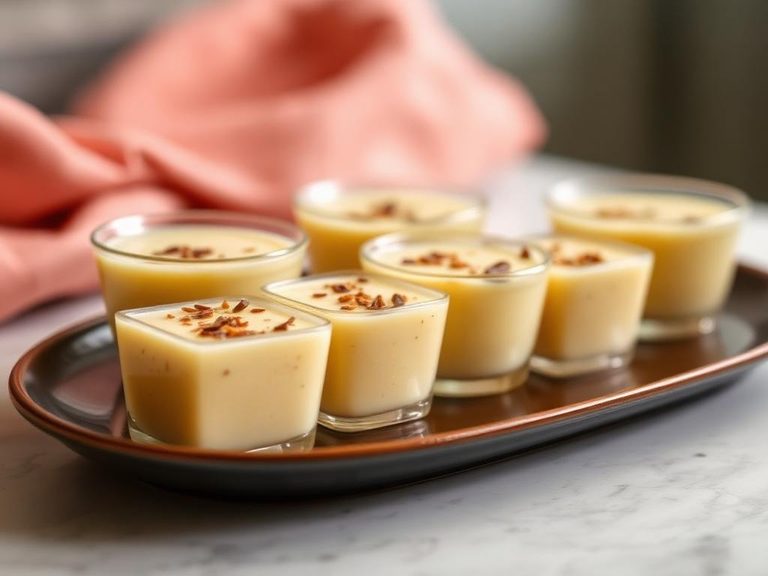
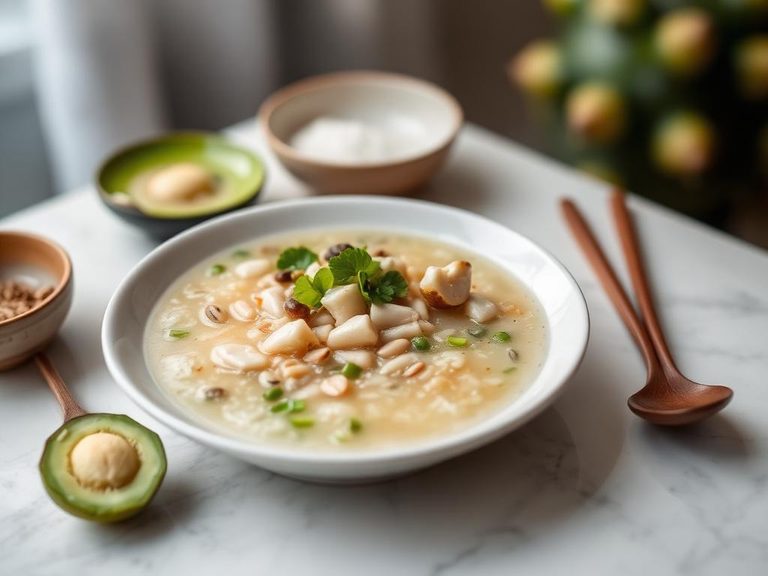
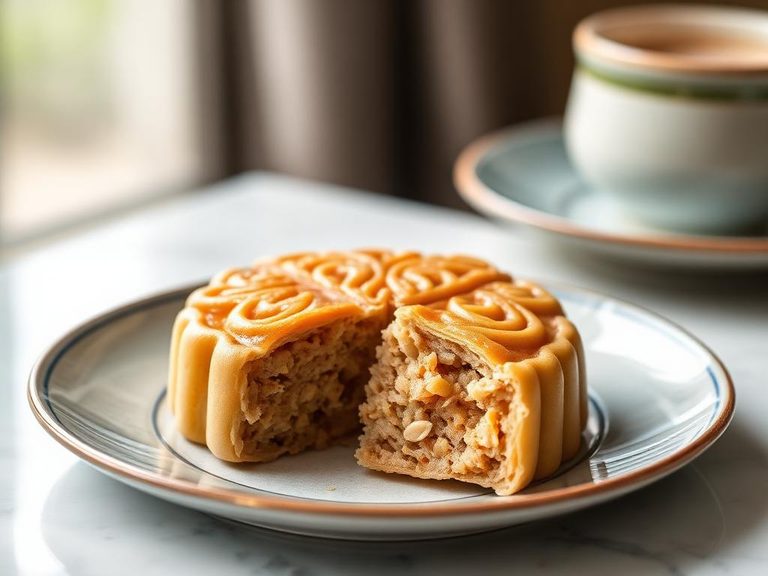
🌍 Where it's eaten
💡 Did you know?
Lotus seeds are famously long-lived; a 1,300-year-old lotus seed from a Chinese lake was successfully germinated in 2002, proving their incredible dormancy and resilience.
Full nutrition (USDA data · scales with serving)
| Water | 77.0 g |
| Energy | 89.0 kcal |
| Energy | 372 kj |
| Protein | 4.1 g |
| Total lipid (fat) | 0.53 g |
| Ash | 1.1 g |
| Carbohydrate, by difference | 17.3 g |
| Calcium, Ca | 44.0 mg |
| Iron, Fe | 0.95 mg |
| Magnesium, Mg | 56.0 mg |
| Phosphorus, P | 168 mg |
| Potassium, K | 367 mg |
| Sodium, Na | 1.0 mg |
| Zinc, Zn | 0.28 mg |
| Copper, Cu | 0.09 mg |
| Manganese, Mn | 0.62 mg |
| Vitamin C, total ascorbic acid | 0.00 mg |
| Thiamin | 0.17 mg |
| Riboflavin | 0.04 mg |
| Niacin | 0.43 mg |
| Pantothenic acid | 0.23 mg |
| Vitamin B-6 | 0.17 mg |
| Folate, total | 28.0 ug |
| Folic acid | 0.00 ug |
| Folate, food | 28.0 ug |
| Folate, DFE | 28.0 ug |
| Vitamin B-12 | 0.00 ug |
| Vitamin A, RAE | 1.0 ug |
| Retinol | 0.00 ug |
| Vitamin A, IU | 13.0 iu |
| Vitamin D (D2 + D3), International Units | 0.00 iu |
| Vitamin D (D2 + D3) | 0.00 ug |
Fat & fatty acid profile (per 100g)
| Fatty acids, total saturated | 0.09 g |
| SFA 14:0 | 0.00 g |
| SFA 16:0 | 0.08 g |
| Fatty acids, total monounsaturated | 0.10 g |
| MUFA 18:1 | 0.06 g |
| MUFA 20:1 | 0.01 g |
| MUFA 22:1 | 0.03 g |
| Fatty acids, total polyunsaturated | 0.31 g |
| PUFA 18:2 | 0.28 g |
| PUFA 18:3 | 0.03 g |
| Cholesterol | 0.00 mg |
Amino acid profile (per 100g)
| Tryptophan | 0.06 g |
| Threonine | 0.20 g |
| Isoleucine | 0.20 g |
| Leucine | 0.33 g |
| Lysine | 0.26 g |
| Methionine | 0.07 g |
| Cystine | 0.05 g |
| Phenylalanine | 0.21 g |
| Tyrosine | 0.10 g |
| Valine | 0.27 g |
| Arginine | 0.34 g |
| Histidine | 0.12 g |
| Alanine | 0.24 g |
| Aspartic acid | 0.51 g |
| Glutamic acid | 0.96 g |
| Glycine | 0.22 g |
| Proline | 0.34 g |
| Serine | 0.25 g |
FAQ
Are raw lotus seeds safe to eat?
No, raw lotus seeds are extremely hard and inedible. They must be soaked and cooked (boiled, steamed, or simmered) to become soft and digestible.
How do I prepare lotus seeds for cooking?
Soak dried lotus seeds in water for at least 4-6 hours or overnight, then remove the bitter green embryo (plumule) from the center. Boil or simmer until tender, which usually takes 30-60 minutes.
Can lotus seeds be eaten by people with diabetes?
While they are a source of complex carbs, their high carbohydrate content means they should be consumed in moderation. Pairing them with fiber-rich vegetables or a small amount of healthy fat can help manage blood sugar response.
Nutrient density (calculated · NRF9.3)
Nutrient Rich Foods index: beneficial nutrients (protein, fiber, vitamins, minerals) minus saturated fat, added sugar & sodium, per 100 kcal.
NRF9.3 index — Fulgoni, Keast & Drewnowski, 2009. Computed from USDA nutrients.
Weight-loss friendliness (composite index)
Energy density 0.89 kcal/g · 19% calories from protein · 0.0 g fiber · 0.0 g sugar per 100 g.
Composite of energy density (Rolls et al., 1999), protein & fiber satiety, minus sugar. A calculated heuristic — ranks satiety-per-calorie, not a clinical measure.
Dietary load (calculated from USDA values)
Potential renal acid load. Positive = acid-forming, negative = alkaline-forming.
Sodium-to-potassium ratio: 0.00 (lower is better — aim for ≤ 1)
Sodium:potassium per WHO potassium guidance. Computed from USDA nutrients.