Lotus Seed Tea
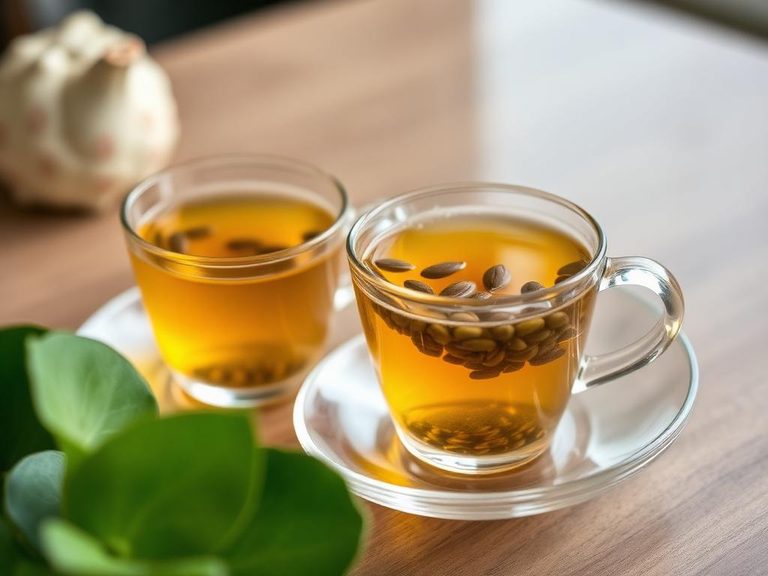
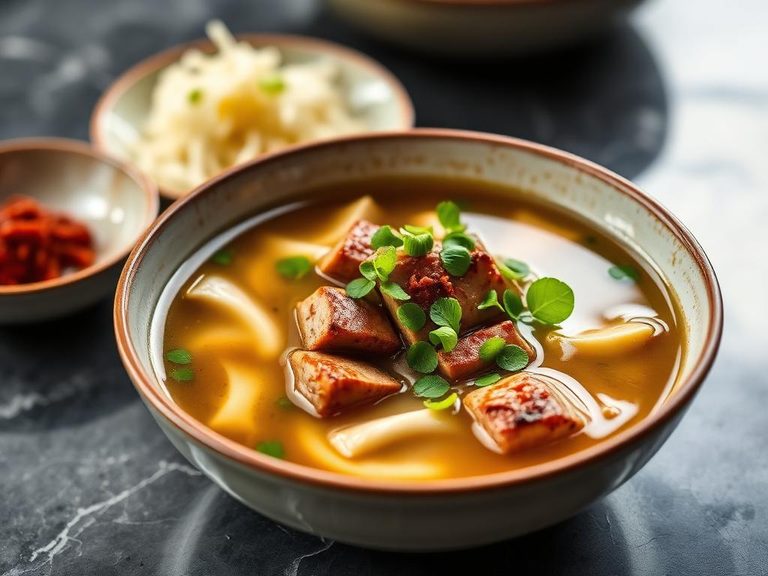
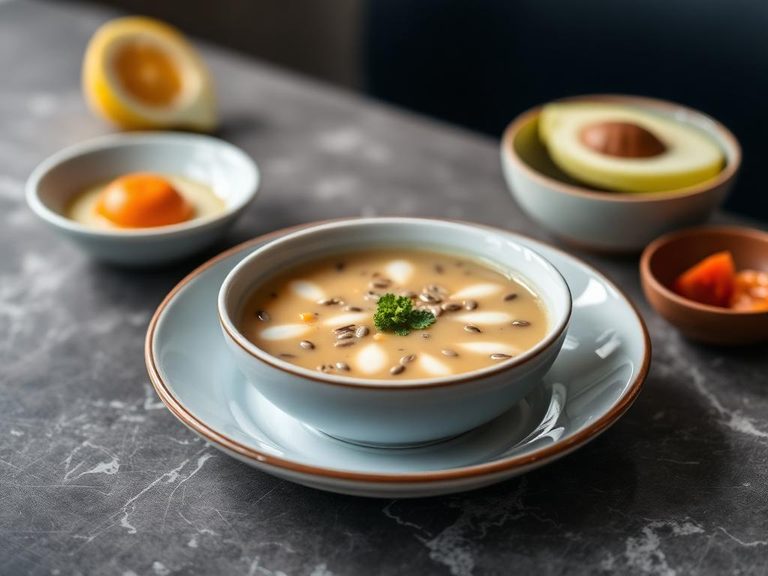
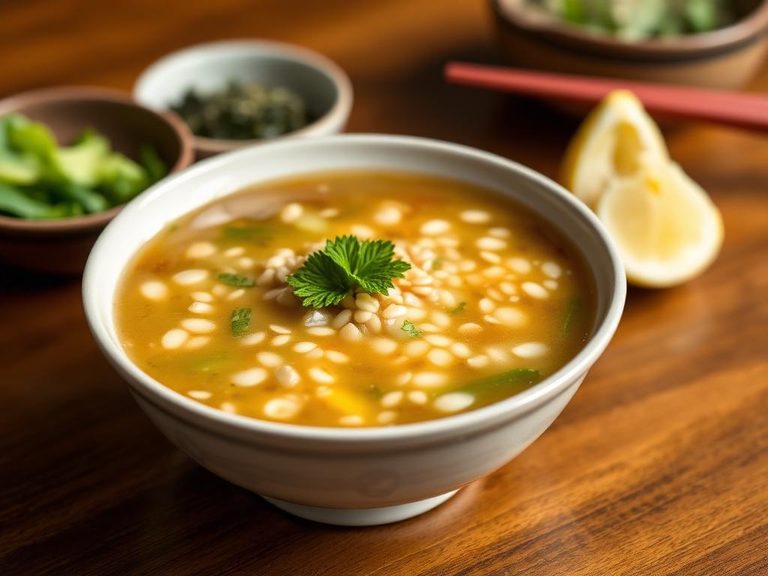
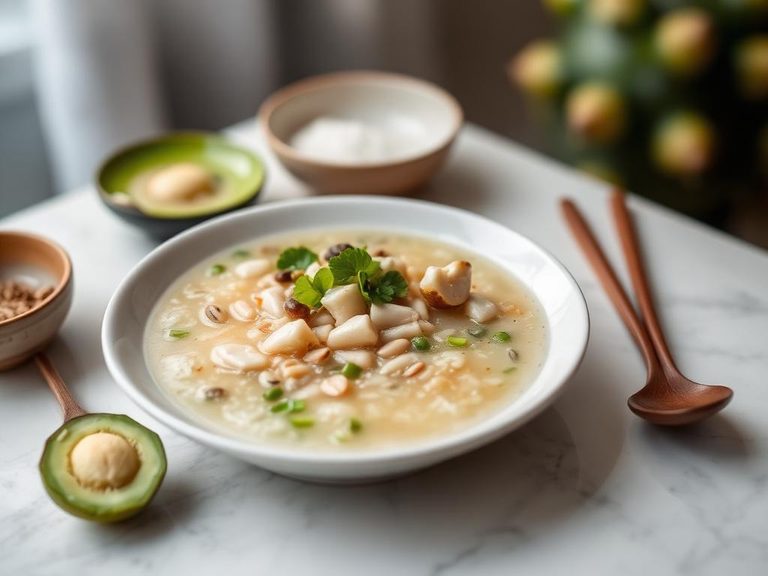
Lotus Seed Tea is a traditional Chinese herbal beverage made by simmering dried lotus seeds, often with other ingredients like rock sugar, dried longan, or red dates. It is a popular cooling drink in Chinese cuisine, especially enjoyed during hot summers or as a comforting dessert. The tea is widely available in tea houses, dessert shops, and homes across China and other parts of East Asia.
🍽️ Nutrition at a glance
This tea is generally low in fat and protein, with most of its calories coming from carbohydrates, primarily natural sugars and starches from the lotus seeds. It provides a good source of potassium and manganese, with a typical serving containing around 100-150 calories.
Nutrition breakdown
| Calories | 120 kcal |
| Protein | 4.5 g |
| Carbs | 22 g |
| Fat | 0.5 g |
| Fiber | 3 g |
| Sugar | 8 g |
| Sodium | 15 mg |
| Potassium | 350 mg |
| Manganese | 1.2 mg |
| Magnesium | 45 mg |
| Phosphorus | 120 mg |
| Iron | 1.5 mg |
| Zinc | 0.8 mg |
| Thiamin (B1) | 0.15 mg |
| Niacin (B3) | 1.8 mg |
Per 1 cup (240 g) · estimated, varies by recipe
💡 What's interesting
In Traditional Chinese Medicine (TCM), lotus seed tea is valued for its purported calming and cooling properties, believed to help reduce internal 'heat' and promote relaxation. Nutritionally, lotus seeds are a unique plant-based source of high-quality protein and contain a notable amount of magnesium.