Lotus Seed Paste
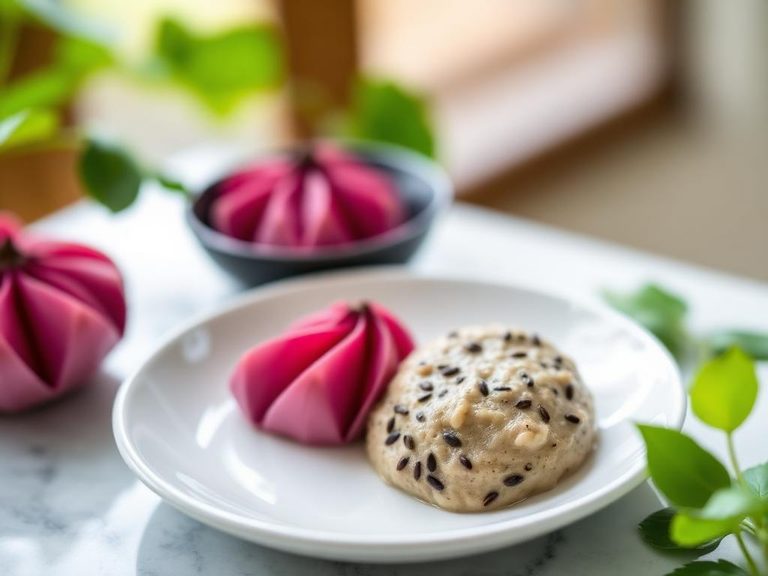
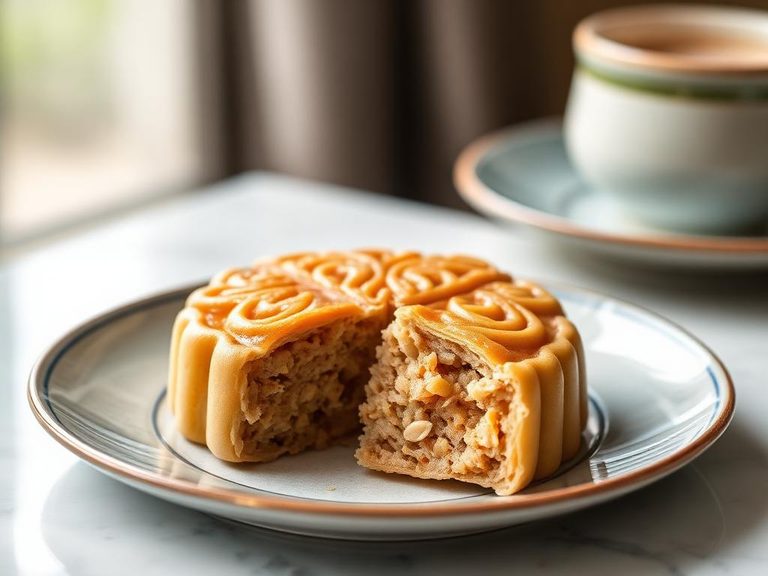
Lotus seed paste is a traditional Chinese dessert filling made from boiled and mashed lotus seeds, often sweetened with sugar and sometimes enriched with lard or oil for a smooth texture. It is a staple in East Asian pastries, most famously as the heart of mooncakes during the Mid-Autumn Festival and in various dim sum treats.
🍽️ Nutrition at a glance
This is a very energy-dense, carbohydrate-rich paste, primarily providing quick energy from sugars and starches with minimal protein or fat unless added during preparation. A typical serving offers a concentrated source of calories, along with some essential minerals like potassium and magnesium from the lotus seeds themselves.
Nutrition breakdown
| Calories | 190 kcal |
| Protein | 2.5 g |
| Carbs | 40 g |
| Fat | 2.5 g |
| Fiber | 2 g |
| Sugar | 25 g |
| Sodium | 10 mg |
| Potassium | 180 mg |
| Magnesium | 40 mg |
| Phosphorus | 70 mg |
| Iron | 1.5 mg |
| Zinc | 0.8 mg |
| Thiamin (B1) | 0.1 mg |
| Niacin (B3) | 0.8 mg |
| Folate | 15 mcg |
Per 1/4 cup (60 g) · estimated, varies by recipe
💡 What's interesting
Culturally, lotus seed paste symbolizes purity and rebirth in many Asian traditions, as the lotus flower grows from muddy waters to bloom beautifully. Nutritionally, the lotus seeds are a good source of plant-based protein and contain unique alkaloids that have been studied for their potential calming properties.