

Seeds, lotus seeds, dried
Whole food · Nut and Seed Products

Photo: Wikipedia
Dried lotus seeds are the starchy, ivory-colored kernels harvested from the seed pods of the lotus flower. They have a mild, subtly sweet, and nutty flavor with a satisfyingly firm, chewy texture when cooked. Nutritionally, they are a concentrated source of plant-based protein and complex carbohydrates.
Calorie split: 18% protein · 76% carbs · 5% fat
↓ Full nutrition💚 Why it's loved
People love them for their delicate, comforting flavor that absorbs surrounding tastes, and their symbolic significance in Asian cultures representing purity and longevity. They are prized for their versatility in both sweet and savory dishes.
⚠️ Watch-outs & how to enjoy it better
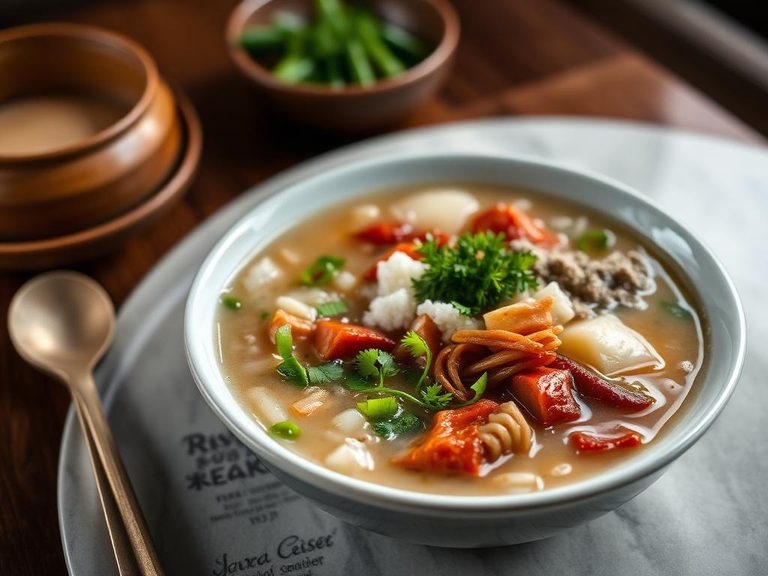
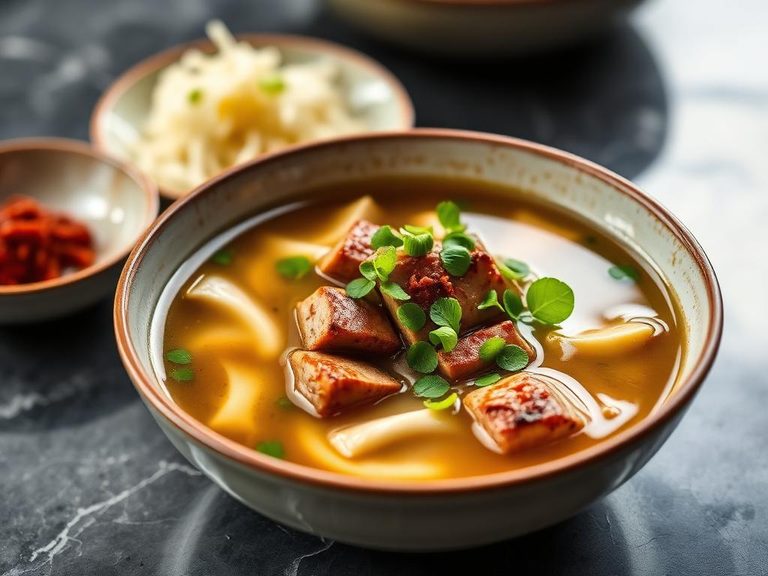
The extremely low fiber and sugar content means they can cause a rapid blood-sugar spike if eaten alone in large quantities. To counteract this, pair them with healthy fats (like in a lotus seed soup with pork) or fiber-rich ingredients (like in a congee with vegetables). Also, the bitter green embryo (plumule) inside must be removed before cooking to avoid a harsh, unpleasant taste.
Key benefits
- High in plant-based protein for muscle maintenance.
- Rich in complex carbohydrates for sustained energy.
- Contains essential minerals like magnesium and potassium.
- A traditional ingredient in calming herbal soups and teas.
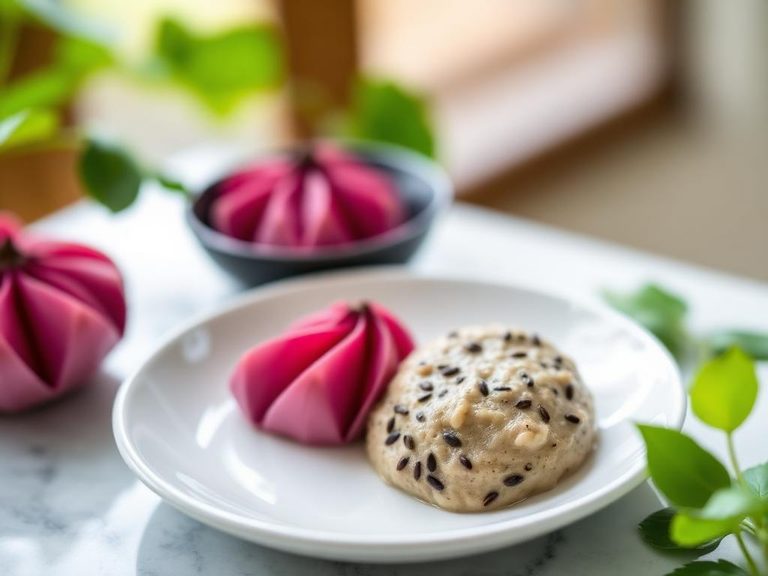
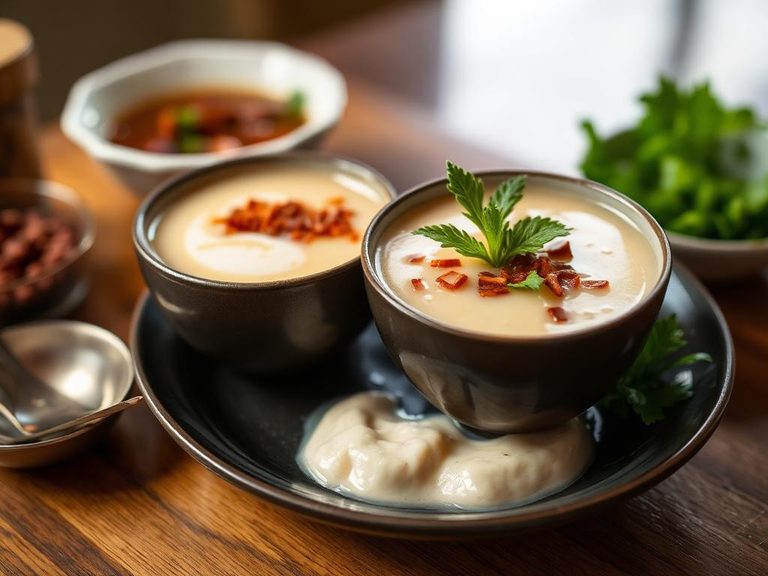
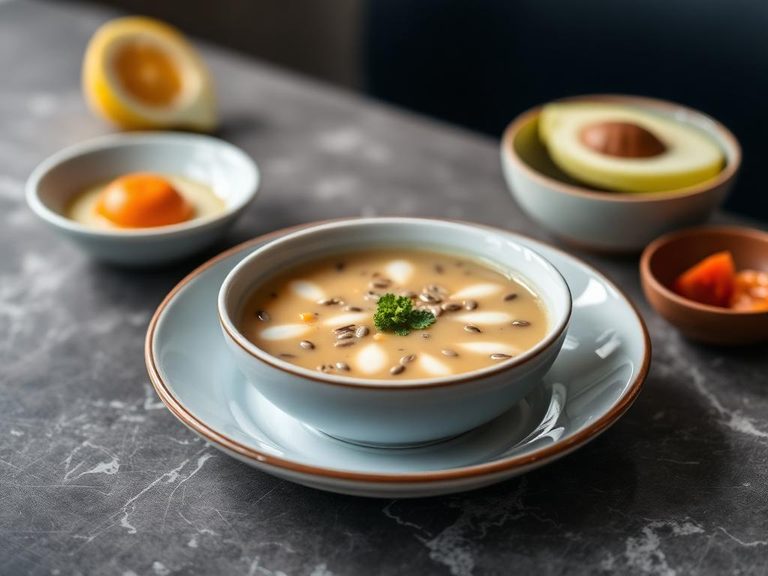
🍽️ Popular dishes

🌍 Where it's eaten
💡 Did you know?
The sacred lotus plant (Nelumbo nucifera) can preserve its seed viability for centuries; a 1,300-year-old lotus seed from a Chinese lake bed was successfully germinated in modern times.
Full nutrition (USDA data · scales with serving)
| Water | 14.2 g |
| Energy | 332 kcal |
| Energy | 1389 kj |
| Protein | 15.4 g |
| Total lipid (fat) | 2.0 g |
| Ash | 4.0 g |
| Carbohydrate, by difference | 64.5 g |
| Calcium, Ca | 163 mg |
| Iron, Fe | 3.5 mg |
| Magnesium, Mg | 210 mg |
| Phosphorus, P | 626 mg |
| Potassium, K | 1368 mg |
| Sodium, Na | 5.0 mg |
| Zinc, Zn | 1.1 mg |
| Copper, Cu | 0.35 mg |
| Manganese, Mn | 2.3 mg |
| Vitamin C, total ascorbic acid | 0.00 mg |
| Thiamin | 0.64 mg |
| Riboflavin | 0.15 mg |
| Niacin | 1.6 mg |
| Pantothenic acid | 0.85 mg |
| Vitamin B-6 | 0.63 mg |
| Folate, total | 104 ug |
| Folic acid | 0.00 ug |
| Folate, food | 104 ug |
| Folate, DFE | 104 ug |
| Vitamin B-12 | 0.00 ug |
| Vitamin A, RAE | 3.0 ug |
| Retinol | 0.00 ug |
| Vitamin A, IU | 50.0 iu |
| Vitamin D (D2 + D3), International Units | 0.00 iu |
| Vitamin D (D2 + D3) | 0.00 ug |
Fat & fatty acid profile (per 100g)
| Fatty acids, total saturated | 0.33 g |
| SFA 14:0 | 0.00 g |
| SFA 16:0 | 0.29 g |
| Fatty acids, total monounsaturated | 0.39 g |
| MUFA 18:1 | 0.23 g |
| MUFA 20:1 | 0.04 g |
| MUFA 22:1 | 0.12 g |
| Fatty acids, total polyunsaturated | 1.2 g |
| PUFA 18:2 | 1.1 g |
| PUFA 18:3 | 0.10 g |
| Cholesterol | 0.00 mg |
Amino acid profile (per 100g)
| Tryptophan | 0.22 g |
| Threonine | 0.75 g |
| Isoleucine | 0.77 g |
| Leucine | 1.2 g |
| Lysine | 0.98 g |
| Methionine | 0.27 g |
| Cystine | 0.20 g |
| Phenylalanine | 0.77 g |
| Tyrosine | 0.38 g |
| Valine | 0.99 g |
| Arginine | 1.3 g |
| Histidine | 0.43 g |
| Alanine | 0.89 g |
| Aspartic acid | 1.9 g |
| Glutamic acid | 3.6 g |
| Glycine | 0.83 g |
| Proline | 1.3 g |
| Serine | 0.94 g |
FAQ
Do I need to soak dried lotus seeds before cooking?
Yes, for most recipes. Soaking in cold water for 2-4 hours (or overnight) softens them, ensuring even and tender cooking. For quick-cook soups, a shorter soak or pressure cooking may suffice.
How do I remove the bitter green center?
After soaking, split the seed in half lengthwise and use a toothpick or small knife to gently pry out the small, green embryo (the plumule) from the center. This step is crucial for a pleasant, mild flavor.
What's the difference between fresh and dried lotus seeds?
Fresh lotus seeds are seasonal, have a crisp, juicy texture, and a very short shelf life. Dried seeds are available year-round, require rehydration, and develop a denser, chewier texture ideal for long-simmered soups and pastes.
Nutrient density (calculated · NRF9.3)
Nutrient Rich Foods index: beneficial nutrients (protein, fiber, vitamins, minerals) minus saturated fat, added sugar & sodium, per 100 kcal.
NRF9.3 index — Fulgoni, Keast & Drewnowski, 2009. Computed from USDA nutrients.
Weight-loss friendliness (composite index)
Energy density 3.32 kcal/g · 19% calories from protein · 0.0 g fiber · 0.0 g sugar per 100 g.
Composite of energy density (Rolls et al., 1999), protein & fiber satiety, minus sugar. A calculated heuristic — ranks satiety-per-calorie, not a clinical measure.
Dietary load (calculated from USDA values)
Potential renal acid load. Positive = acid-forming, negative = alkaline-forming.
Sodium-to-potassium ratio: 0.00 (lower is better — aim for ≤ 1)
Sodium:potassium per WHO potassium guidance. Computed from USDA nutrients.