

Salsa, pico de gallo
Common food

Photo: Wikipedia
Pico de gallo is a vibrant, chunky Mexican salsa made from fresh, uncooked ingredients like diced tomatoes, onions, cilantro, jalapeños, and lime juice. It has a crisp, juicy texture with a bright, zesty flavor profile that balances acidity, heat, and herbaceous freshness. Nutritionally, it's exceptionally low in calories (17 kcal/100g) while providing fiber and a dose of vitamin C from the raw produce.
Calorie split: 15% protein · 78% carbs · 7% fat
↓ Full nutrition💚 Why it's loved
People love pico de gallo for its explosive freshness and textural contrast—the cool crunch against warm dishes like tacos or grilled meats. Its vibrant, customizable heat and bright acidity make it a versatile flavor booster that feels both indulgent and wholesome.
⚠️ Watch-outs & how to enjoy it better
The raw onion and jalapeño can cause digestive discomfort or heartburn for some individuals. To mitigate, use milder onion varieties like sweet onion, remove jalapeño seeds for less heat, or lightly sauté the mixture. Those watching sodium should be mindful of added salt, but this can be controlled in homemade versions.
Key benefits
- Very low in calories and fat, making it a light, volume-rich topping.
- Provides dietary fiber from fresh vegetables.
- Source of vitamin C from tomatoes and lime juice.
- Contains capsaicin from jalapeños, which may support metabolism.
- Naturally hydrating due to high water content in raw ingredients.
🍽️ Popular dishes
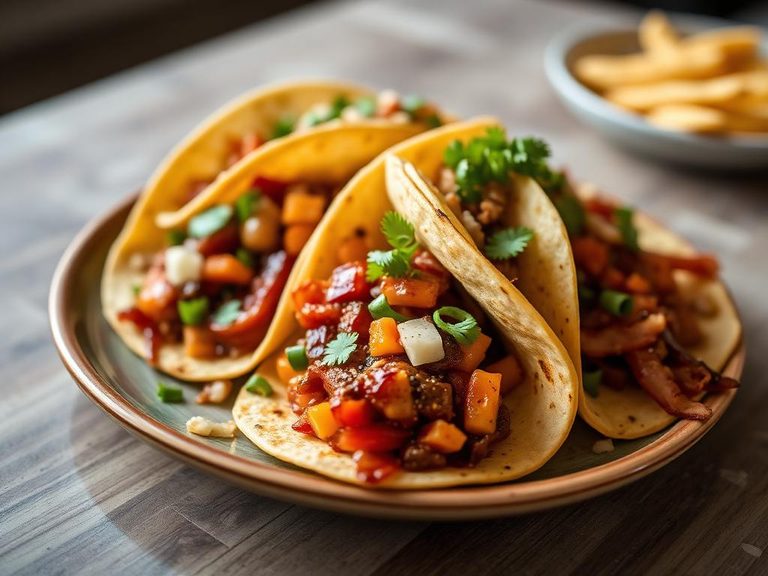
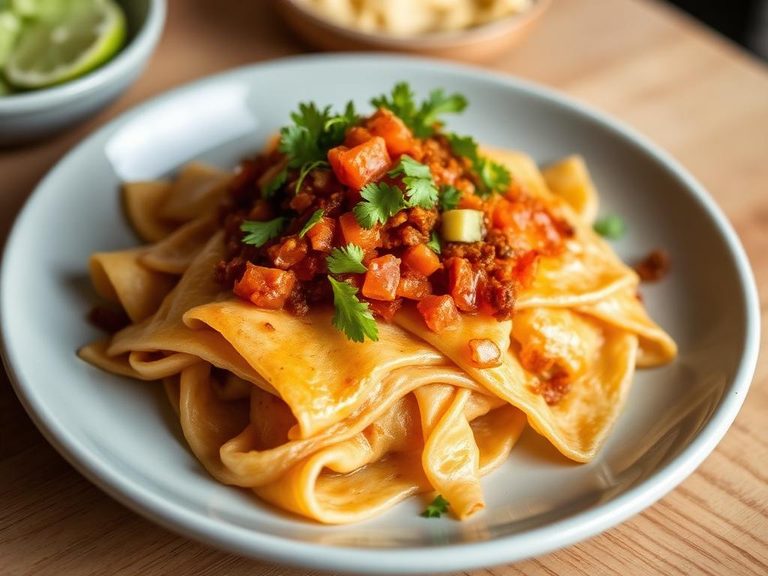
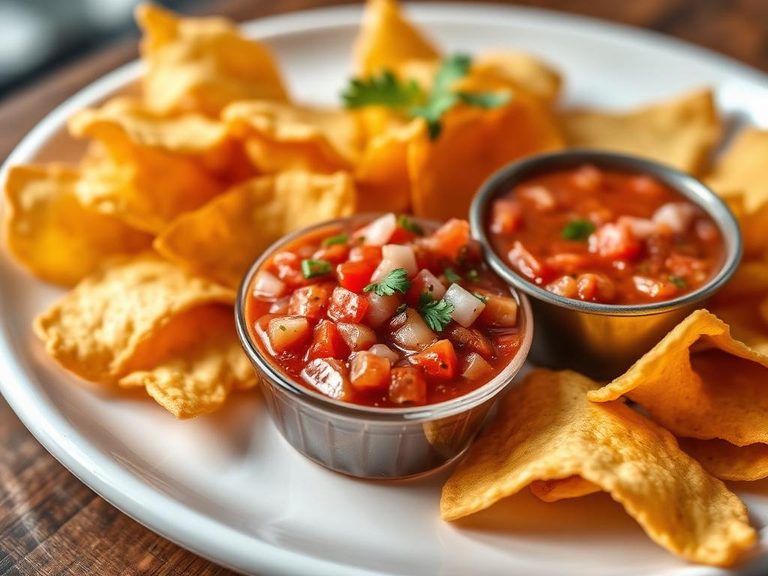
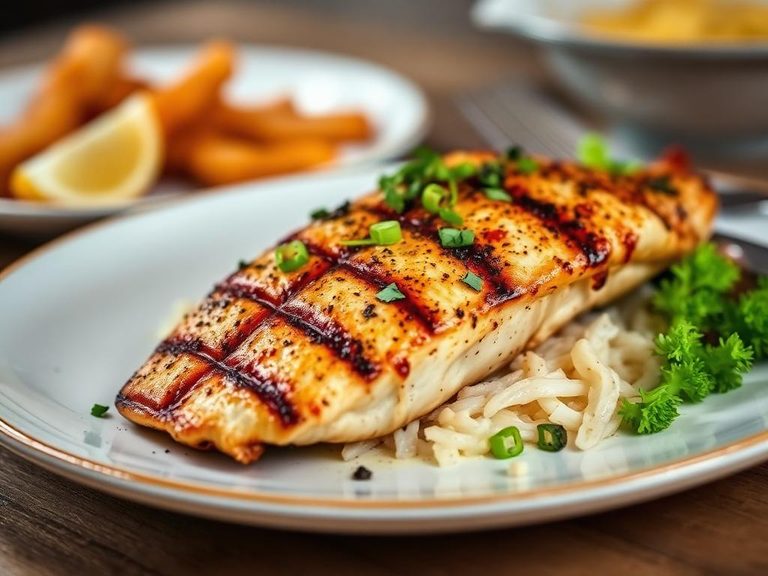
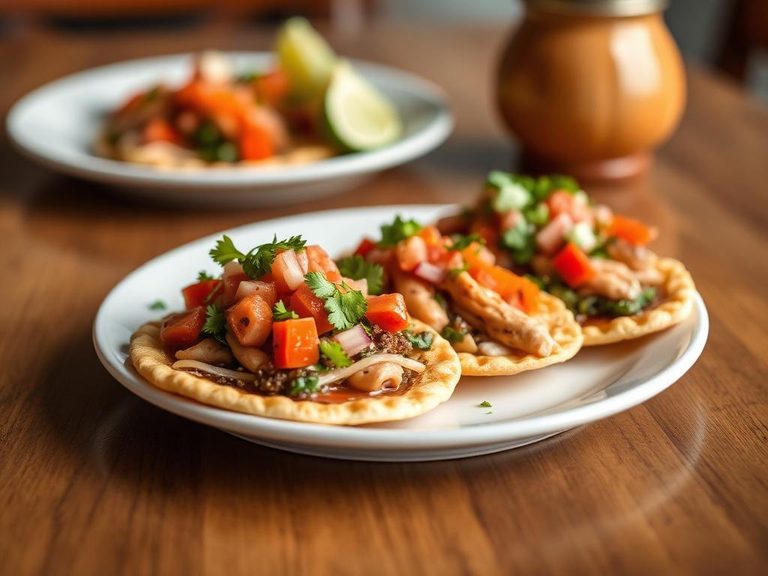
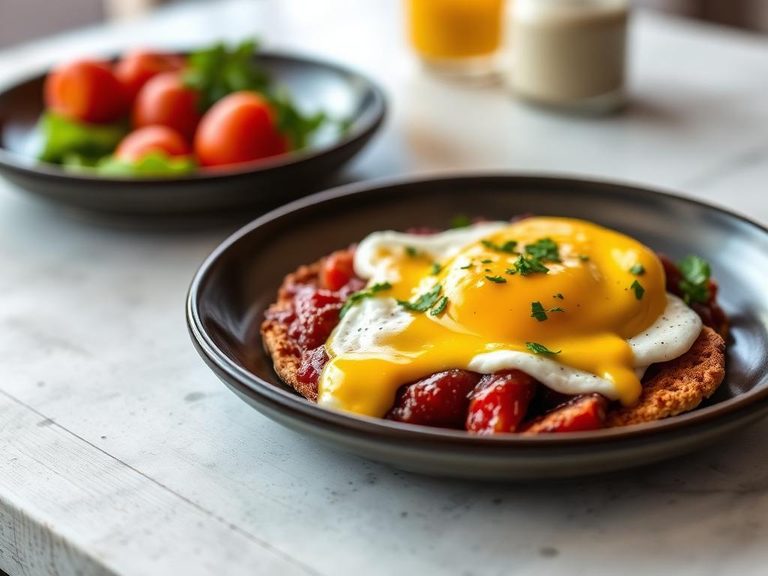
🌍 Where it's eaten
💡 Did you know?
The name 'pico de gallo' translates to 'rooster's beak,' which is thought to refer to the practice of pinching the ingredients between thumb and forefinger to eat them.
Full nutrition (USDA data · scales with serving)
| Water | 93.9 g |
| Energy | 17.0 kcal |
| Protein | 0.71 g |
| Total lipid (fat) | 0.14 g |
| Carbohydrate, by difference | 3.7 g |
| Fiber, total dietary | 1.1 g |
| Total Sugars | 2.1 g |
| Calcium, Ca | 11.0 mg |
| Iron, Fe | 0.23 mg |
| Magnesium, Mg | 9.0 mg |
| Phosphorus, P | 19.0 mg |
| Potassium, K | 157 mg |
| Sodium, Na | 443 mg |
| Zinc, Zn | 0.13 mg |
| Copper, Cu | 0.05 mg |
| Selenium, Se | 0.10 ug |
| Vitamin C, total ascorbic acid | 10.8 mg |
| Thiamin | 0.03 mg |
| Riboflavin | 0.02 mg |
| Niacin | 0.41 mg |
| Vitamin B-6 | 0.09 mg |
| Folate, total | 12.0 ug |
| Folic acid | 0.00 ug |
| Folate, food | 12.0 ug |
| Folate, DFE | 12.0 ug |
| Choline, total | 4.7 mg |
| Vitamin B-12 | 0.00 ug |
| Vitamin B-12, added | 0.00 ug |
| Vitamin A, RAE | 25.0 ug |
| Retinol | 0.00 ug |
| Carotene, beta | 275 ug |
| Carotene, alpha | 48.0 ug |
| Cryptoxanthin, beta | 4.0 ug |
| Lycopene | 1193 ug |
| Lutein + zeaxanthin | 102 ug |
| Vitamin E (alpha-tocopherol) | 0.32 mg |
| Vitamin E, added | 0.00 mg |
| Vitamin D (D2 + D3) | 0.00 ug |
| Vitamin K (phylloquinone) | 6.9 ug |
| Alcohol, ethyl | 0.00 g |
| Caffeine | 0.00 mg |
| Theobromine | 0.00 mg |
Fat & fatty acid profile (per 100g)
| Fatty acids, total saturated | 0.02 g |
| SFA 4:0 | 0.00 g |
| SFA 6:0 | 0.00 g |
| SFA 8:0 | 0.00 g |
| SFA 10:0 | 0.00 g |
| SFA 12:0 | 0.00 g |
| SFA 14:0 | 0.00 g |
| SFA 16:0 | 0.02 g |
| SFA 18:0 | 0.01 g |
| Fatty acids, total monounsaturated | 0.02 g |
| MUFA 16:1 | 0.00 g |
| MUFA 18:1 | 0.02 g |
| MUFA 20:1 | 0.00 g |
| MUFA 22:1 | 0.00 g |
| Fatty acids, total polyunsaturated | 0.06 g |
| PUFA 18:2 | 0.05 g |
| PUFA 18:3 | 0.00 g |
| PUFA 18:4 | 0.00 g |
| PUFA 20:4 | 0.00 g |
| PUFA 20:5 n-3 (EPA) | 0.00 g |
| PUFA 22:5 n-3 (DPA) | 0.00 g |
| PUFA 22:6 n-3 (DHA) | 0.00 g |
| Cholesterol | 0.00 mg |
FAQ
What is the difference between pico de gallo and regular salsa?
Pico de gallo is a type of fresh, chunky salsa cruda (raw salsa) with distinct, diced ingredients, while regular salsa (like salsa roja) is often blended or cooked, resulting in a smoother, more integrated sauce.
How long does fresh pico de gallo last?
Stored in an airtight container in the refrigerator, it will maintain good quality for 2-3 days. The tomatoes will begin to release water and soften over time.
Can I make pico de gallo without cilantro?
Yes, cilantro is optional. You can omit it or substitute with fresh parsley for a different herbaceous note, though the classic flavor profile will change.
Nutrient density (calculated · NRF9.3)
Nutrient Rich Foods index: beneficial nutrients (protein, fiber, vitamins, minerals) minus saturated fat, added sugar & sodium, per 100 kcal.
NRF9.3 index — Fulgoni, Keast & Drewnowski, 2009. Computed from USDA nutrients.
Weight-loss friendliness (composite index)
Energy density 0.17 kcal/g · 17% calories from protein · 1.1 g fiber · 2.1 g sugar per 100 g.
Composite of energy density (Rolls et al., 1999), protein & fiber satiety, minus sugar. A calculated heuristic — ranks satiety-per-calorie, not a clinical measure.
Dietary load (calculated from USDA values)
Potential renal acid load. Positive = acid-forming, negative = alkaline-forming.
Sodium-to-potassium ratio: 2.82 (lower is better — aim for ≤ 1)
Sodium:potassium per WHO potassium guidance. Computed from USDA nutrients.