

Orange Blossom
Common food

Photo: Wikipedia
Orange blossom is the fragrant flower of the citrus tree, prized for its intensely sweet, floral aroma with subtle honeyed and green notes. While not typically eaten whole, its essence is captured in water, oil, or sugar to flavor dishes and drinks. Nutritionally, it is negligible in calories and macronutrients, serving purely as a potent flavoring agent.
Calorie split: 5% protein · 89% carbs · 6% fat
↓ Full nutrition💚 Why it's loved
People love orange blossom for its intoxicating, nostalgic perfume that can instantly transport you to a Mediterranean garden or a festive bakery. Its versatility allows it to elevate everything from delicate pastries to savory tagines with just a few drops.
⚠️ Watch-outs & how to enjoy it better
The primary caution is its intense flavor; overuse can make dishes taste soapy or perfumed. For those monitoring blood sugar, note that orange blossom water is often paired with sugar-laden syrups in desserts. Counteract this by using it sparingly in unsweetened bases like yogurt or oatmeal, or in savory dishes where sugar is not a component.
Key benefits
- Adds complex floral depth without added sugar or fat
- Traditional digestive aid in herbal infusions
- Key component in aromatherapy for calming effects
- Enhances perception of sweetness in recipes
🍽️ Popular dishes
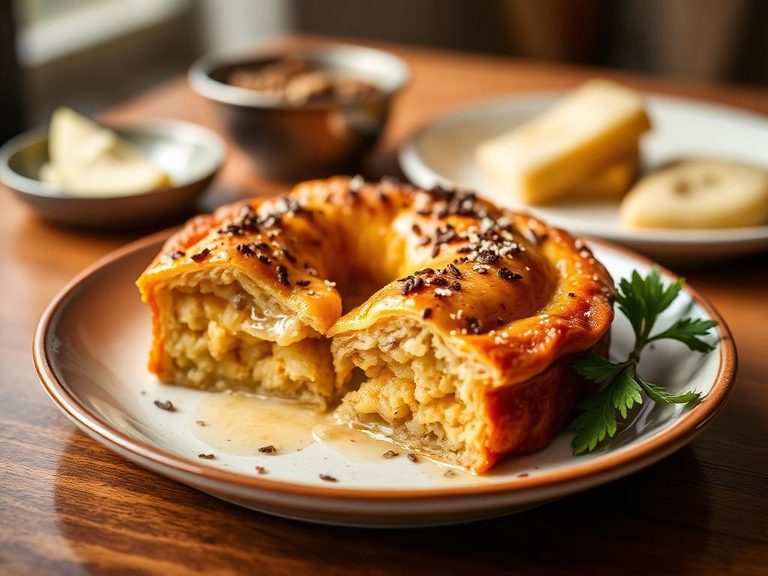



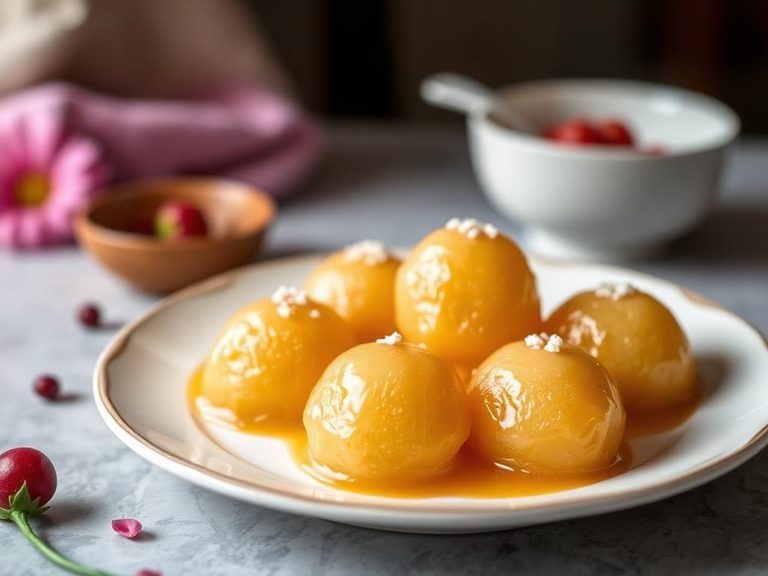
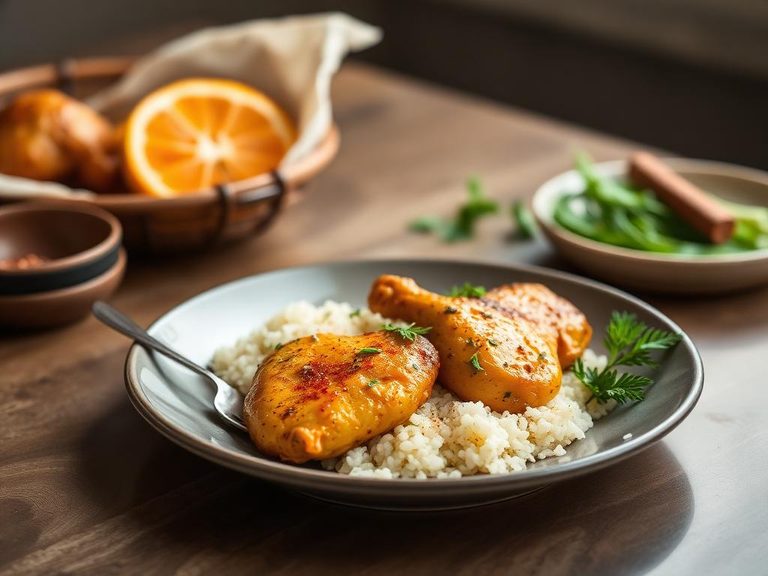
🌍 Where it's eaten
💡 Did you know?
It takes about 1,000 pounds of orange blossoms to produce just one pound of neroli essential oil, making it one of the most labor-intensive and expensive floral essences in the world.
Full nutrition (USDA data · scales with serving)
| Water | 81.5 g |
| Energy | 98.0 kcal |
| Protein | 0.57 g |
| Total lipid (fat) | 0.26 g |
| Carbohydrate, by difference | 9.3 g |
| Fiber, total dietary | 0.20 g |
| Total Sugars | 7.8 g |
| Calcium, Ca | 42.0 mg |
| Iron, Fe | 0.06 mg |
| Magnesium, Mg | 8.0 mg |
| Phosphorus, P | 15.0 mg |
| Potassium, K | 135 mg |
| Sodium, Na | 2.0 mg |
| Zinc, Zn | 0.03 mg |
| Copper, Cu | 0.03 mg |
| Selenium, Se | 0.10 ug |
| Vitamin C, total ascorbic acid | 21.2 mg |
| Thiamin | 0.06 mg |
| Riboflavin | 0.03 mg |
| Niacin | 0.03 mg |
| Vitamin B-6 | 0.03 mg |
| Folate, total | 22.0 ug |
| Folic acid | 0.00 ug |
| Folate, food | 22.0 ug |
| Folate, DFE | 22.0 ug |
| Choline, total | 4.6 mg |
| Vitamin B-12 | 0.00 ug |
| Vitamin B-12, added | 0.00 ug |
| Vitamin A, RAE | 1.0 ug |
| Retinol | 0.00 ug |
| Carotene, beta | 6.0 ug |
| Carotene, alpha | 6.0 ug |
| Cryptoxanthin, beta | 20.0 ug |
| Lycopene | 0.00 ug |
| Lutein + zeaxanthin | 20.0 ug |
| Vitamin E (alpha-tocopherol) | 0.15 mg |
| Vitamin E, added | 0.00 mg |
| Vitamin D (D2 + D3) | 0.30 ug |
| Vitamin K (phylloquinone) | 0.00 ug |
| Alcohol, ethyl | 8.1 g |
| Caffeine | 0.00 mg |
| Theobromine | 0.00 mg |
Fat & fatty acid profile (per 100g)
| Fatty acids, total saturated | 0.01 g |
| SFA 4:0 | 0.00 g |
| SFA 6:0 | 0.00 g |
| SFA 8:0 | 0.00 g |
| SFA 10:0 | 0.00 g |
| SFA 12:0 | 0.00 g |
| SFA 14:0 | 0.00 g |
| SFA 16:0 | 0.01 g |
| SFA 18:0 | 0.00 g |
| Fatty acids, total monounsaturated | 0.02 g |
| MUFA 16:1 | 0.00 g |
| MUFA 18:1 | 0.01 g |
| MUFA 20:1 | 0.00 g |
| MUFA 22:1 | 0.00 g |
| Fatty acids, total polyunsaturated | 0.02 g |
| PUFA 18:2 | 0.02 g |
| PUFA 18:3 | 0.01 g |
| PUFA 18:4 | 0.00 g |
| PUFA 20:4 | 0.00 g |
| PUFA 20:5 n-3 (EPA) | 0.00 g |
| PUFA 22:5 n-3 (DPA) | 0.00 g |
| PUFA 22:6 n-3 (DHA) | 0.00 g |
| Cholesterol | 0.00 mg |
FAQ
What's the difference between orange blossom water and orange extract?
Orange blossom water is a hydrosol, a gentle distillation of the flowers, while orange extract is typically made from the peel of the fruit and has a sharper, more acidic citrus flavor.
Can I use orange blossom water in savory cooking?
Absolutely. It's a classic ingredient in North African and Middle Eastern savory dishes like tagines, pilafs, and marinades for chicken or lamb, adding a sophisticated floral note.
How should I store orange blossom water?
Keep it tightly sealed in a cool, dark place like a pantry. Once opened, refrigeration is recommended to preserve its delicate aroma for up to a year.
Nutrient density (calculated · NRF9.3)
Nutrient Rich Foods index: beneficial nutrients (protein, fiber, vitamins, minerals) minus saturated fat, added sugar & sodium, per 100 kcal.
NRF9.3 index — Fulgoni, Keast & Drewnowski, 2009. Computed from USDA nutrients.
Weight-loss friendliness (composite index)
Energy density 0.98 kcal/g · 2% calories from protein · 0.2 g fiber · 7.8 g sugar per 100 g.
Composite of energy density (Rolls et al., 1999), protein & fiber satiety, minus sugar. A calculated heuristic — ranks satiety-per-calorie, not a clinical measure.
Dietary load (calculated from USDA values)
Potential renal acid load. Positive = acid-forming, negative = alkaline-forming.
Sodium-to-potassium ratio: 0.01 (lower is better — aim for ≤ 1)
Sodium:potassium per WHO potassium guidance. Computed from USDA nutrients.