

Nuts, chestnuts, european, raw, peeled
Whole food · Nut and Seed Products

Photo: Wikipedia
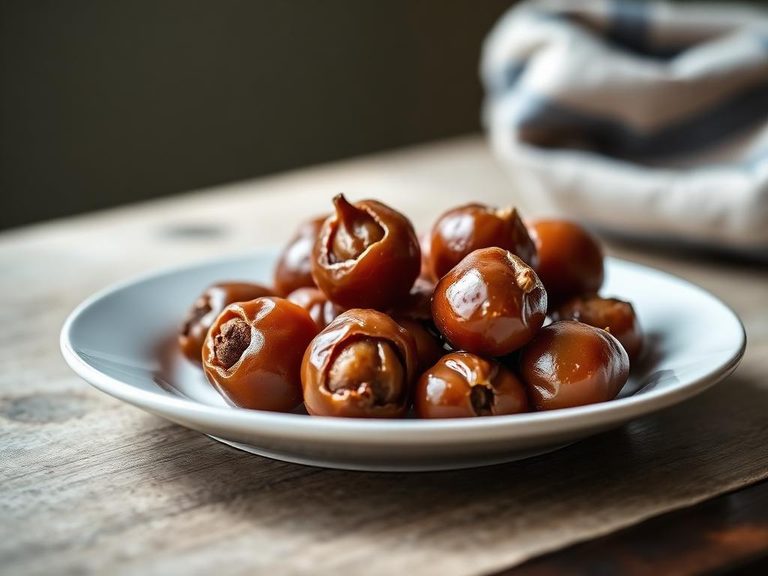
European chestnuts are the sweet, starchy seeds of the chestnut tree, prized for their creamy, potato-like texture when cooked and a flavor that's nutty, subtly sweet, and earthy. Unlike most nuts, they are remarkably low in fat and high in complex carbohydrates, making them a unique, energy-dense food. Their raw, peeled state is a blank canvas, ready to be roasted, boiled, or ground into flour.
Calorie split: 3% protein · 91% carbs · 6% fat
↓ Full nutrition💚 Why it's loved
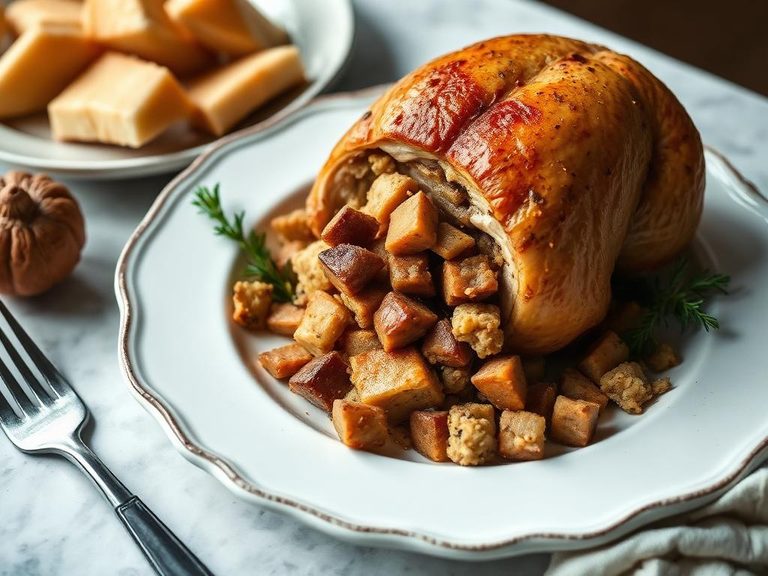
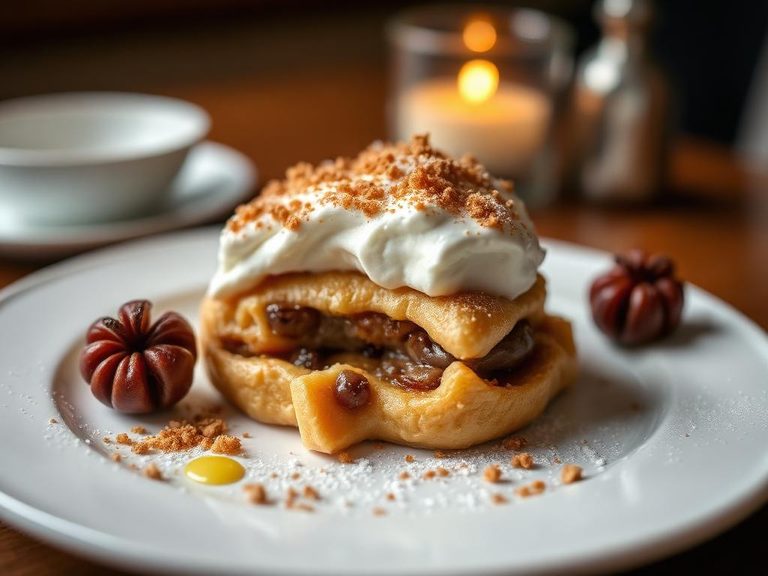
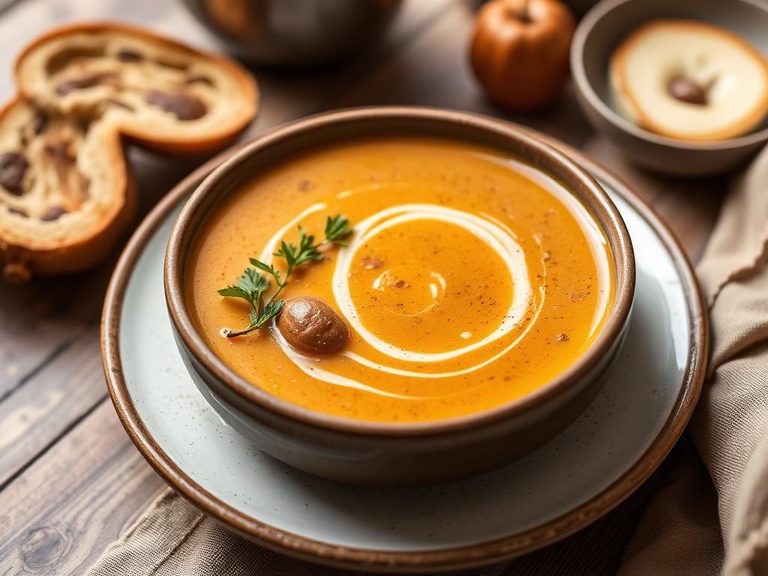
People love chestnuts for their rich, comforting flavor that evokes autumn and winter traditions, and their incredible versatility—equally at home in savory stuffings, sweet desserts, or simply roasted over an open fire. They hold a special place in holiday cuisine across many cultures.
⚠️ Watch-outs & how to enjoy it better
Raw chestnuts contain tannins that can cause digestive discomfort and astringency; they must be cooked to be palatable and digestible. Their high carbohydrate content means they can impact blood sugar, so portion control is key for those managing glucose levels. Always cook them thoroughly to avoid gastrointestinal upset.
Key benefits
- Excellent source of complex carbohydrates for sustained energy
- Naturally low in fat compared to other nuts
- Provides vitamin C, an unusual trait for a starchy food
- Good source of minerals like manganese and copper
- Gluten-free alternative for baking and cooking
🍽️ Popular dishes
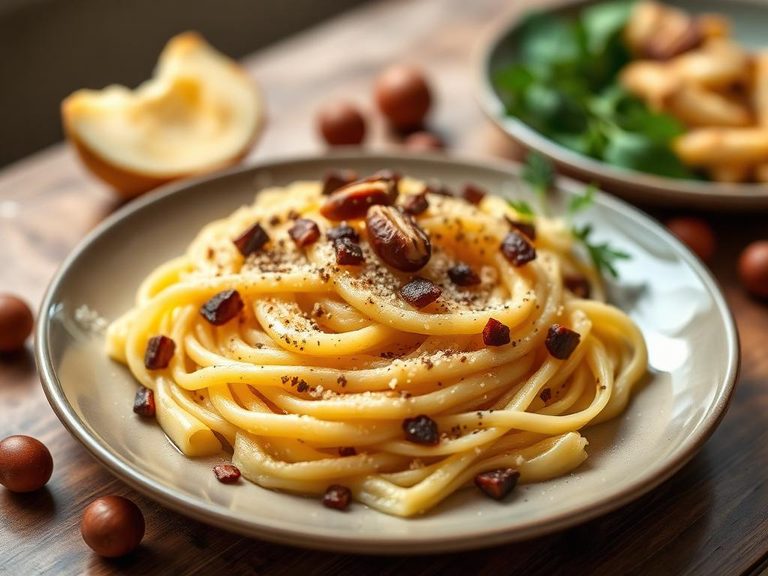
🌍 Where it's eaten
💡 Did you know?
Chestnuts are one of the few nuts that are a significant source of vitamin C, with raw chestnuts containing nearly as much as a lemon by weight, though much of it is lost during cooking.
Full nutrition (USDA data · scales with serving)
| Water | 52.0 g |
| Energy | 196 kcal |
| Energy | 820 kj |
| Protein | 1.6 g |
| Total lipid (fat) | 1.3 g |
| Ash | 0.96 g |
| Carbohydrate, by difference | 44.2 g |
| Calcium, Ca | 19.0 mg |
| Iron, Fe | 0.94 mg |
| Magnesium, Mg | 30.0 mg |
| Phosphorus, P | 38.0 mg |
| Potassium, K | 484 mg |
| Sodium, Na | 2.0 mg |
| Zinc, Zn | 0.49 mg |
| Copper, Cu | 0.42 mg |
| Manganese, Mn | 0.34 mg |
| Vitamin C, total ascorbic acid | 40.2 mg |
| Thiamin | 0.14 mg |
| Riboflavin | 0.02 mg |
| Niacin | 1.1 mg |
| Pantothenic acid | 0.48 mg |
| Vitamin B-6 | 0.35 mg |
| Folate, total | 58.0 ug |
| Folic acid | 0.00 ug |
| Folate, food | 58.0 ug |
| Folate, DFE | 58.0 ug |
| Vitamin B-12 | 0.00 ug |
| Vitamin A, RAE | 1.0 ug |
| Retinol | 0.00 ug |
| Vitamin A, IU | 26.0 iu |
| Vitamin D (D2 + D3), International Units | 0.00 iu |
| Vitamin D (D2 + D3) | 0.00 ug |
Fat & fatty acid profile (per 100g)
| Fatty acids, total saturated | 0.23 g |
| SFA 14:0 | 0.01 g |
| SFA 16:0 | 0.21 g |
| SFA 18:0 | 0.01 g |
| Fatty acids, total monounsaturated | 0.43 g |
| MUFA 16:1 | 0.01 g |
| MUFA 18:1 | 0.41 g |
| MUFA 20:1 | 0.01 g |
| Fatty acids, total polyunsaturated | 0.49 g |
| PUFA 18:2 | 0.44 g |
| PUFA 18:3 | 0.05 g |
| Cholesterol | 0.00 mg |
Amino acid profile (per 100g)
| Tryptophan | 0.02 g |
| Threonine | 0.06 g |
| Isoleucine | 0.06 g |
| Leucine | 0.10 g |
| Lysine | 0.10 g |
| Methionine | 0.04 g |
| Cystine | 0.05 g |
| Phenylalanine | 0.07 g |
| Tyrosine | 0.04 g |
| Valine | 0.09 g |
| Arginine | 0.12 g |
| Histidine | 0.04 g |
| Alanine | 0.11 g |
| Aspartic acid | 0.28 g |
| Glutamic acid | 0.21 g |
| Glycine | 0.08 g |
| Proline | 0.09 g |
| Serine | 0.08 g |
FAQ
How do you prepare raw, peeled chestnuts for cooking?
Even if pre-peeled, raw chestnuts benefit from scoring (cutting an 'X' on the flat side) before roasting or boiling to prevent bursting. For boiling, simmer in water for 15-20 minutes until tender. For roasting, toss with a little oil and roast at 400°F (200°C) for 15-20 minutes.
Can I eat raw chestnuts?
It's not recommended. Raw chestnuts contain tannins and starches that are difficult to digest, leading to stomach upset. Cooking breaks down these compounds, making them safe, digestible, and delicious.
What's the difference between chestnuts and other nuts?
Chestnuts are botanically a fruit (a nut), but nutritionally they are more similar to starchy grains or tubers. They are very low in fat (unlike almonds or walnuts) and high in complex carbohydrates, making them unique in the nut family.
Nutrient density (calculated · NRF9.3)
Nutrient Rich Foods index: beneficial nutrients (protein, fiber, vitamins, minerals) minus saturated fat, added sugar & sodium, per 100 kcal.
NRF9.3 index — Fulgoni, Keast & Drewnowski, 2009. Computed from USDA nutrients.
Weight-loss friendliness (composite index)
Energy density 1.96 kcal/g · 3% calories from protein · 0.0 g fiber · 0.0 g sugar per 100 g.
Composite of energy density (Rolls et al., 1999), protein & fiber satiety, minus sugar. A calculated heuristic — ranks satiety-per-calorie, not a clinical measure.
Dietary load (calculated from USDA values)
Potential renal acid load. Positive = acid-forming, negative = alkaline-forming.
Sodium-to-potassium ratio: 0.00 (lower is better — aim for ≤ 1)
Sodium:potassium per WHO potassium guidance. Computed from USDA nutrients.