Chestnut Flour Polenta or Pasta
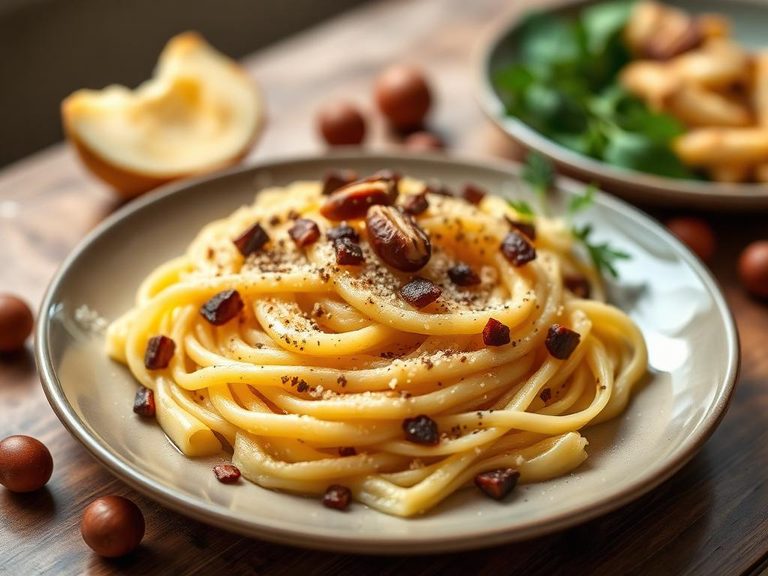
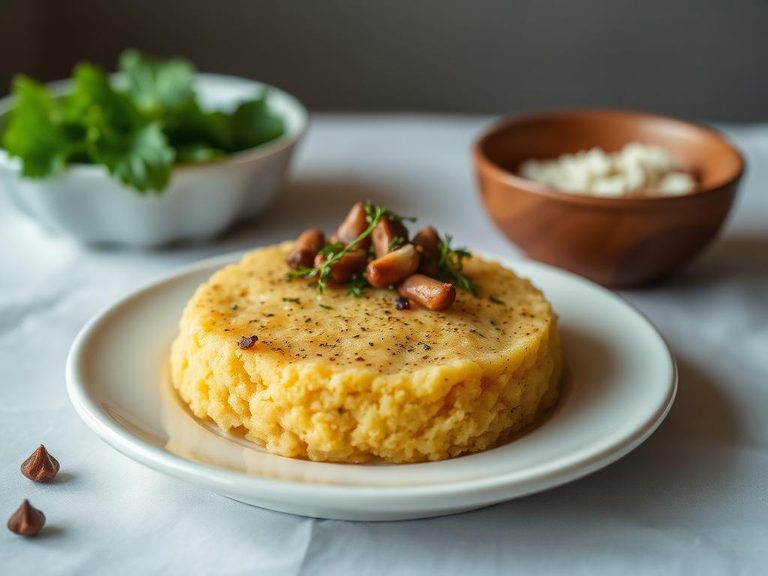
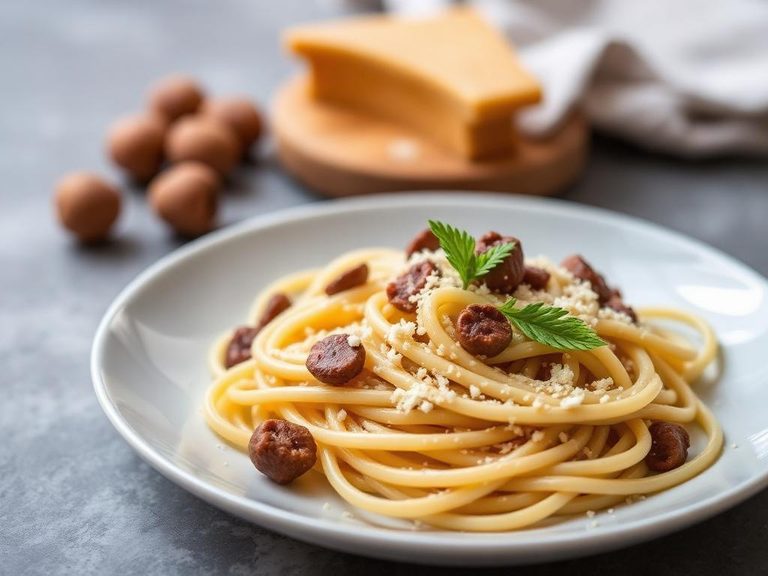
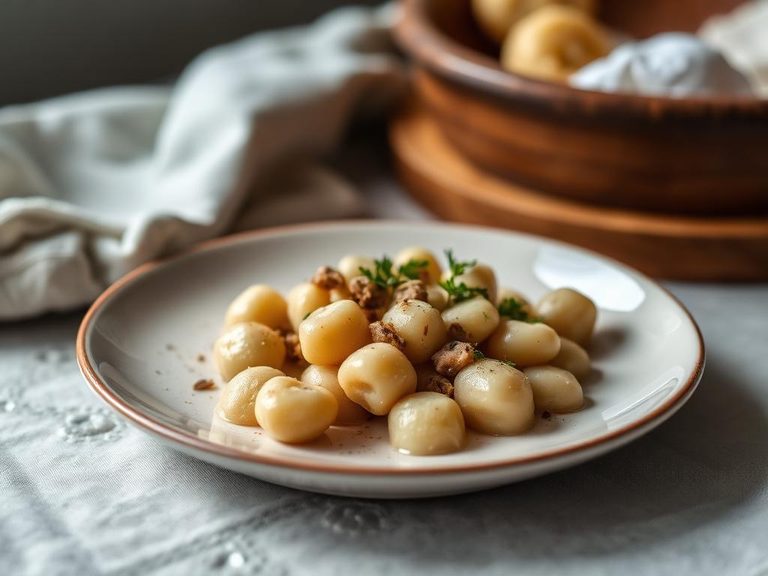
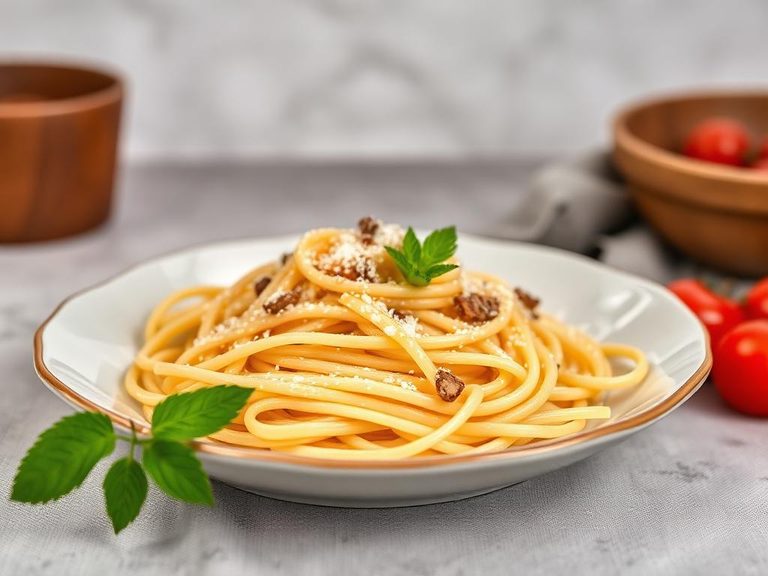
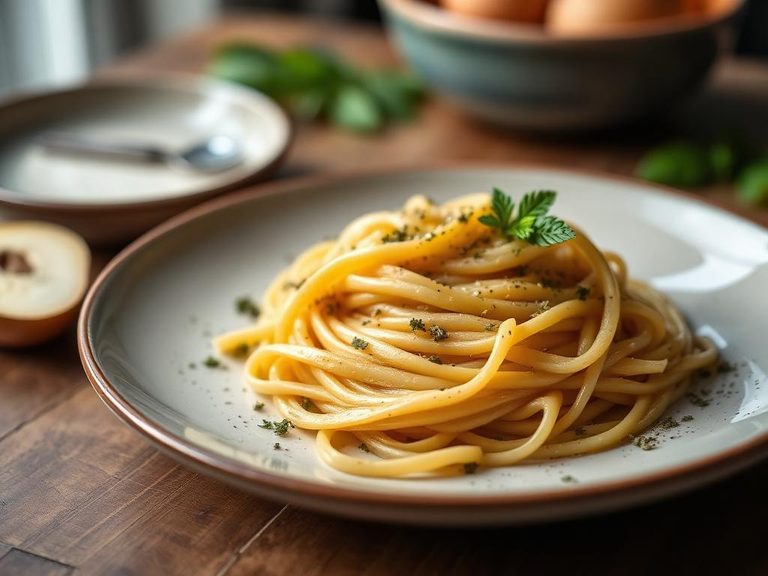
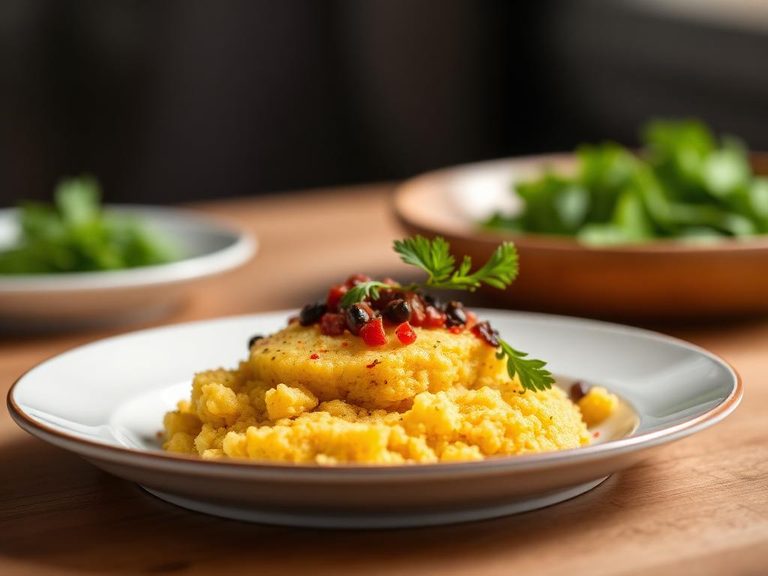
Chestnut Flour Polenta or Pasta is a traditional dish from the mountainous regions of Italy, particularly Tuscany and Liguria, made from chestnut flour mixed with water and salt. It can be prepared as a soft, creamy polenta or dried into pasta shapes, offering a naturally sweet and nutty flavor distinct from wheat-based alternatives.
🍽️ Nutrition at a glance
This dish is high in carbohydrates and provides a good source of dietary fiber, along with essential minerals like potassium and magnesium. A typical serving of cooked polenta or pasta contains approximately 150-200 calories, depending on preparation and portion size.
Nutrition breakdown
| Calories | 180 kcal |
| Protein | 4.5 g |
| Carbs | 38 g |
| Fat | 1.5 g |
| Fiber | 4 g |
| Sugar | 2 g |
| Sodium | 10 mg |
| Iron | 3.5 mg |
| Magnesium | 55 mg |
| Phosphorus | 95 mg |
| Potassium | 400 mg |
| Manganese | 1.2 mg |
| Copper | 0.4 mg |
| Vitamin B6 | 0.2 mg |
| Folate | 45 mcg |
Per 1 cup (150 g, cooked) · estimated, varies by recipe
💡 What's interesting
Historically, chestnut flour was a vital staple in poor mountain communities during times of wheat scarcity, making it a symbol of resilience and resourcefulness. Nutritionally, it is naturally gluten-free, making it an excellent alternative for those with gluten sensitivities while offering a rich, earthy taste that pairs well with savory or sweet accompaniments.