Chestnut flour cake
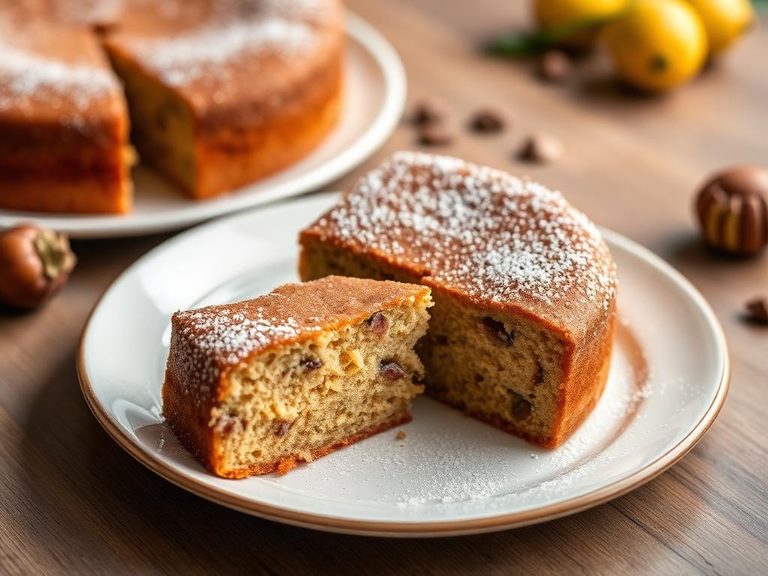
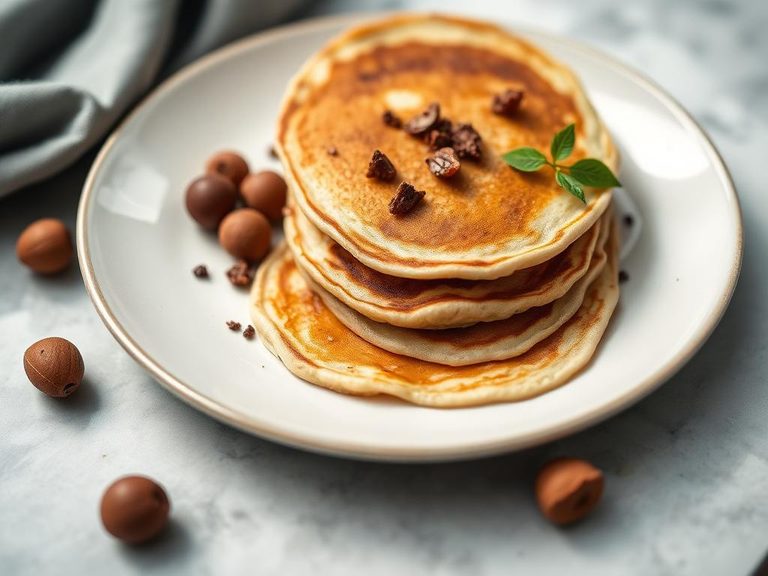
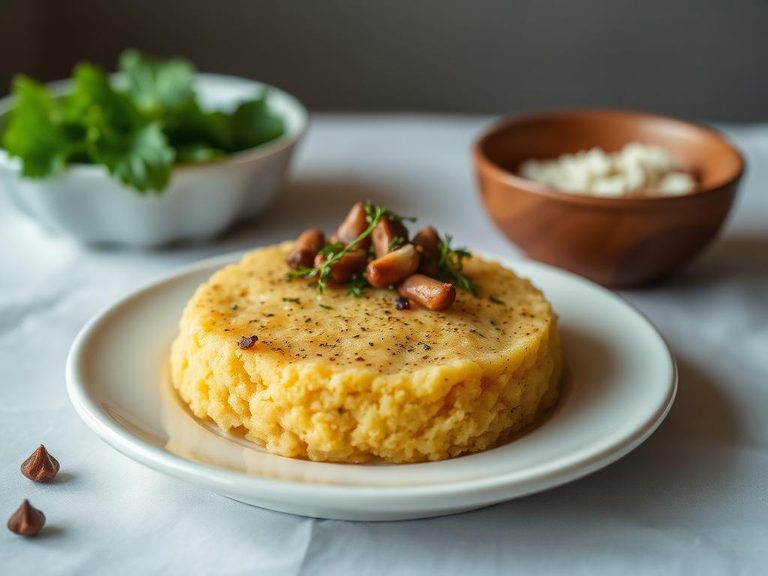
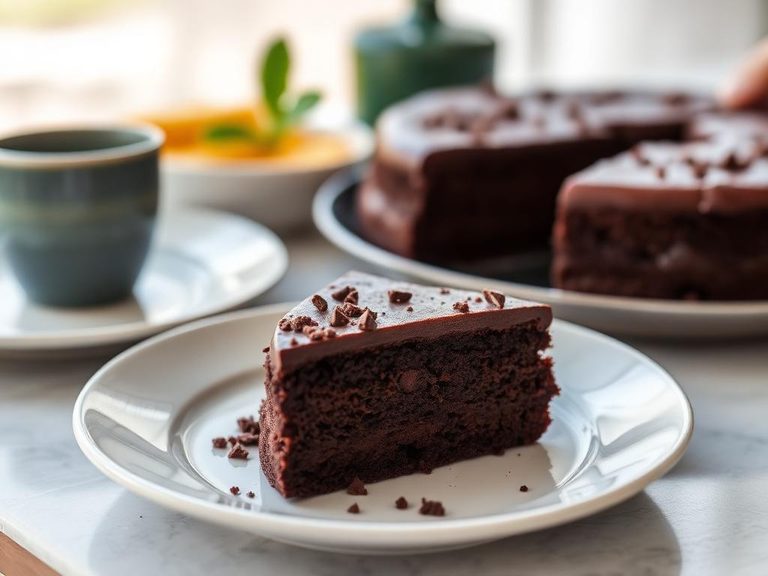
Chestnut flour cake is a rustic, naturally sweet baked good made primarily from ground chestnuts, often combined with eggs, sugar, and sometimes butter or olive oil. It hails from various European regions with strong chestnut-growing traditions, notably Italy (where it's called 'castagnaccio'), France, and Portugal. The cake has a dense, moist, and slightly crumbly texture with a deep, nutty flavor.
🍽️ Nutrition at a glance
This cake is typically high in carbohydrates from the chestnut flour and any added sugars, with a moderate amount of healthy fats from the nuts themselves or added oils. It provides dietary fiber, B vitamins, and minerals like manganese and copper, with a rough calorie estimate of 250-350 per standard slice.
Nutrition breakdown
| Calories | 380 kcal |
| Protein | 5.5 g |
| Carbs | 52 g |
| Fat | 17 g |
| Fiber | 3 g |
| Sugar | 28 g |
| Sodium | 220 mg |
| Potassium | 280 mg |
| Magnesium | 45 mg |
| Phosphorus | 80 mg |
| Iron | 2.5 mg |
| Vitamin B6 | 0.3 mg |
| Folate | 35 µg |
| Vitamin C | 3 mg |
| Manganese | 1.2 mg |
Per 1 slice (120 g) · estimated, varies by recipe
💡 What's interesting
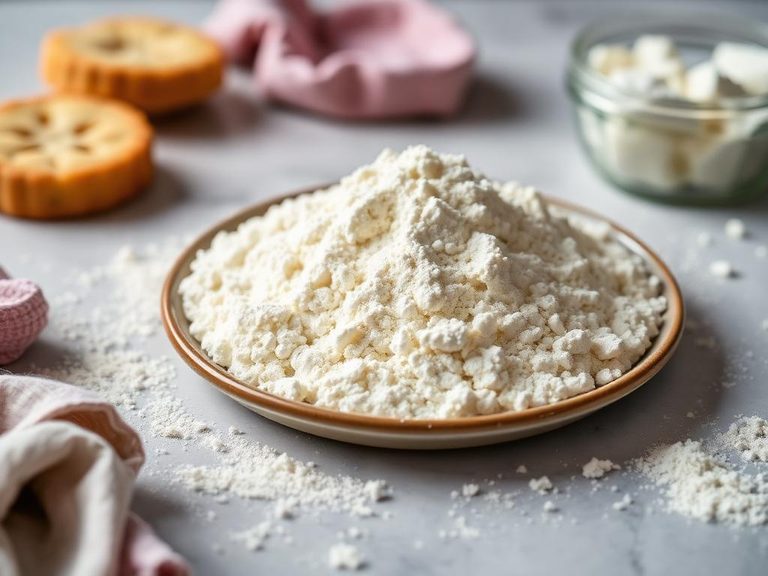
Culturally, it's a historic 'poor man's dessert' from mountainous areas where chestnuts were a staple food, often baked in simple wood-fired ovens. Nutritionally, chestnut flour is unique among nut flours for being high in starch and low in fat, making it a gluten-free option with a texture closer to grain-based cakes.