Chestnut Flour Pasta
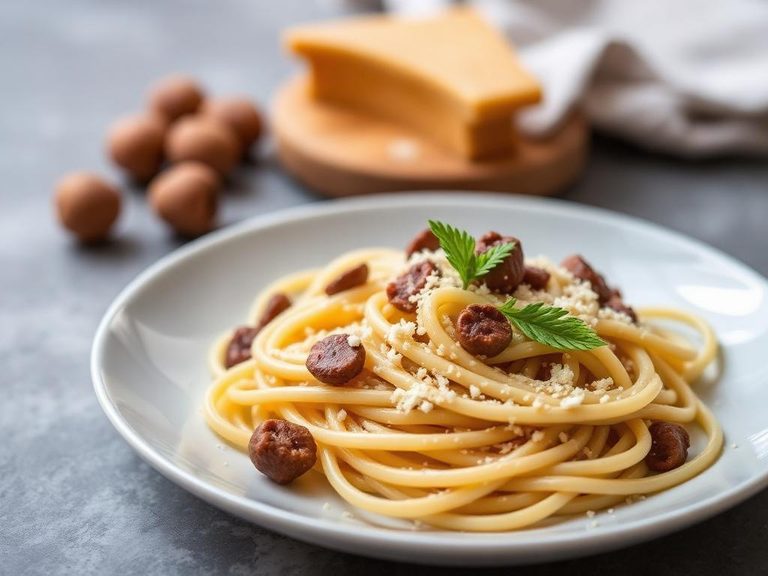
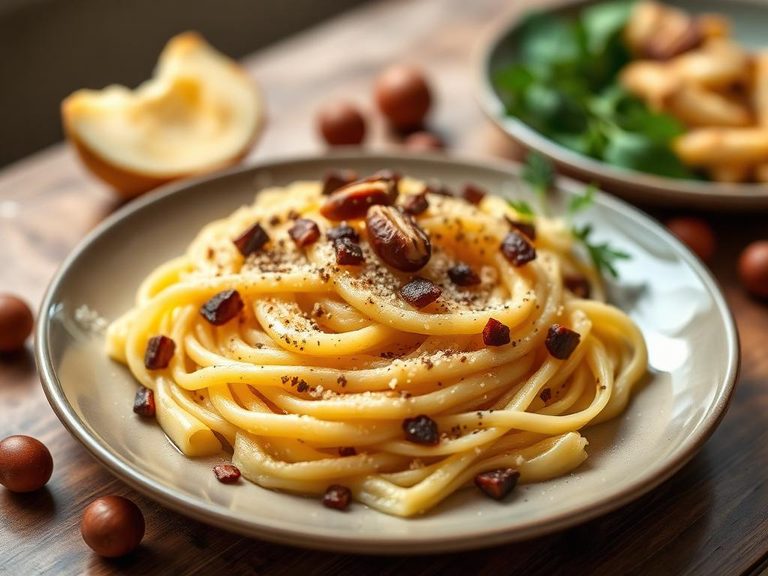
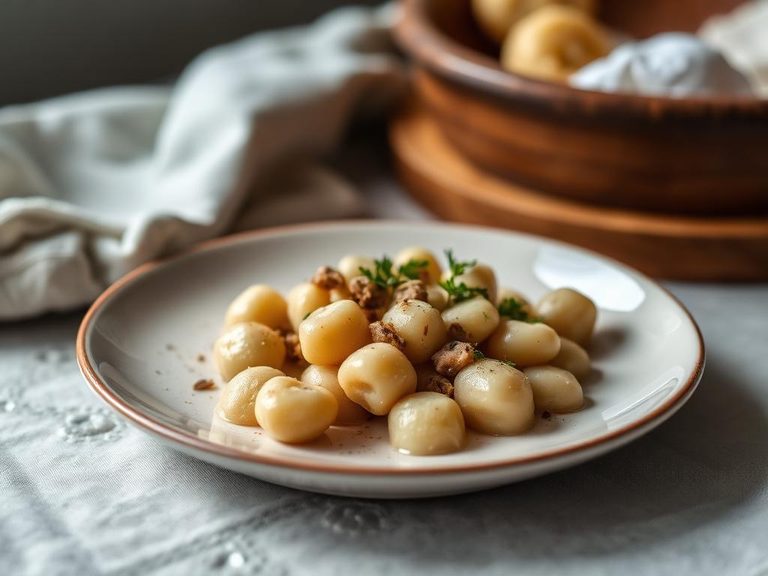
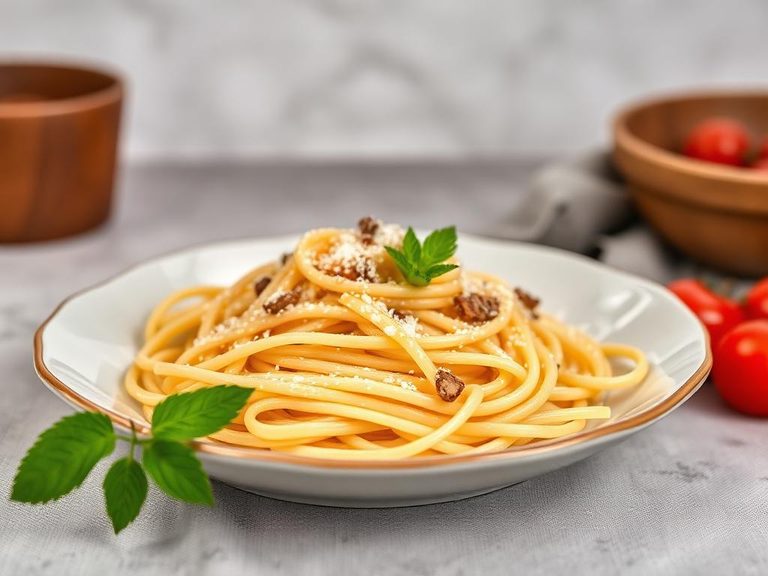
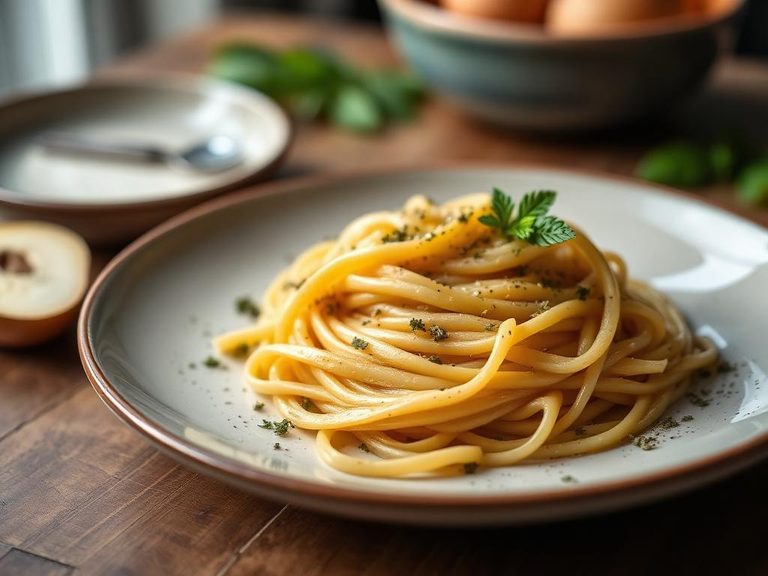
Chestnut flour pasta is a traditional Italian pasta, particularly from regions like Tuscany and Liguria, made primarily from chestnut flour and water. It has a distinctively sweet, nutty flavor and a rustic, slightly coarse texture that pairs beautifully with simple sauces like butter, sage, or wild boar ragù. This type of pasta is often associated with mountain communities and was historically a staple in areas where wheat was scarce.
🍽️ Nutrition at a glance
This pasta is a good source of complex carbohydrates and dietary fiber, providing a steady release of energy. It is lower in protein than traditional wheat pasta but offers beneficial minerals like manganese and potassium, with a typical serving containing around 300-350 calories.
Nutrition breakdown
| Calories | 420 kcal |
| Protein | 10 g |
| Carbs | 68 g |
| Fat | 12 g |
| Fiber | 5 g |
| Sugar | 2 g |
| Sodium | 10 mg |
| Potassium | 450 mg |
| Magnesium | 80 mg |
| Phosphorus | 120 mg |
| Iron | 2.5 mg |
| Vitamin B6 | 0.3 mg |
| Folate | 40 µg |
| Manganese | 1.2 mg |
| Copper | 0.4 mg |
Per 1 cup (140 g) · estimated, varies by recipe
💡 What's interesting
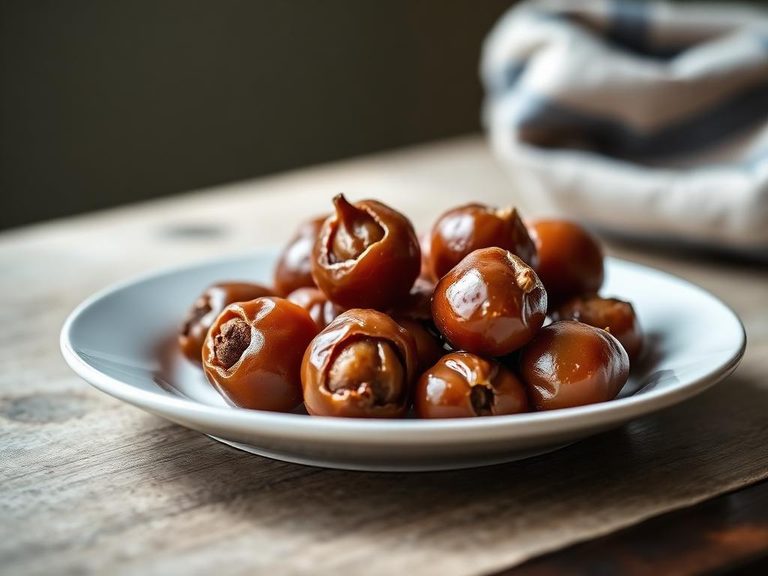
Chestnut flour pasta is a fascinating example of Italy's 'cucina povera' (peasant cooking), where local, abundant ingredients were used to create hearty meals. Nutritionally, it is naturally gluten-free, making it a historic and delicious alternative for those with gluten sensitivities, long before it became a modern dietary trend.