Lupin flour pasta

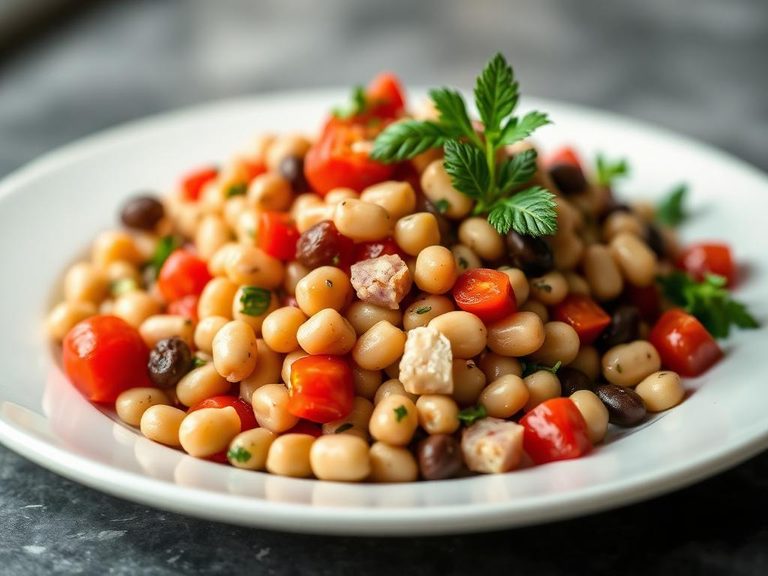
Lupin flour pasta is a high-protein, low-carb alternative to traditional wheat pasta, made primarily from ground lupin beans. It's a popular choice in health-conscious and gluten-free cooking, originating from Mediterranean and South American culinary traditions where lupins have been consumed for centuries.
🍽️ Nutrition at a glance
This pasta is exceptionally high in protein and dietary fiber while being very low in carbohydrates, making it a nutrient-dense option. A typical serving provides a substantial amount of plant-based protein, essential minerals like iron and magnesium, and is relatively low in calories, often around 200-250 kcal per serving.
Nutrition breakdown
| Calories | 220 kcal |
| Protein | 26 g |
| Carbs | 4 g |
| Fat | 6 g |
| Fiber | 18 g |
| Sugar | 1 g |
| Sodium | 300 mg |
| Iron | 5.5 mg |
| Magnesium | 180 mg |
| Potassium | 650 mg |
| Phosphorus | 320 mg |
| Zinc | 3.0 mg |
| Folate | 120 mcg |
| Manganese | 1.8 mg |
| Copper | 0.5 mg |
Per 1 cup cooked (140 g) · estimated, varies by recipe
💡 What's interesting
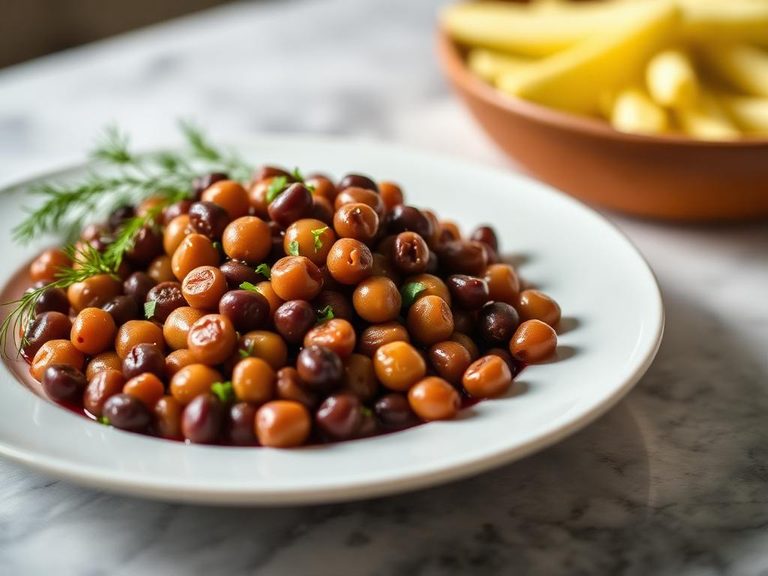
Nutritionally, lupin flour pasta is unique because it offers a complete amino acid profile similar to animal protein, which is rare for a plant-based food. Culturally, it revives the ancient practice of eating lupin beans, which were a staple snack in ancient Rome and are still enjoyed pickled in the Mediterranean today.