Chestnut Flour Polenta
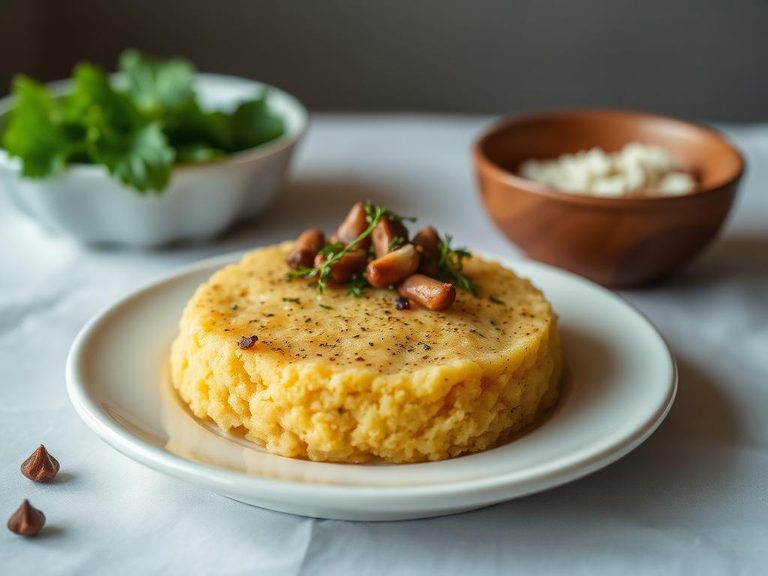
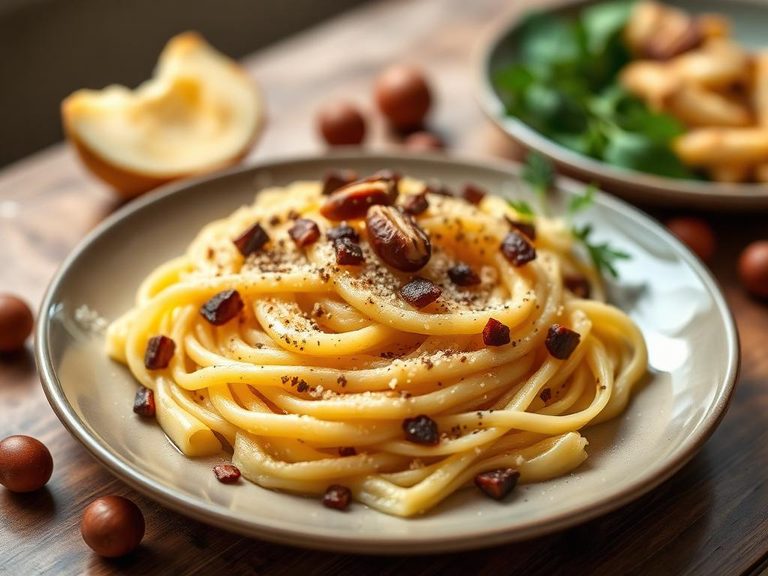
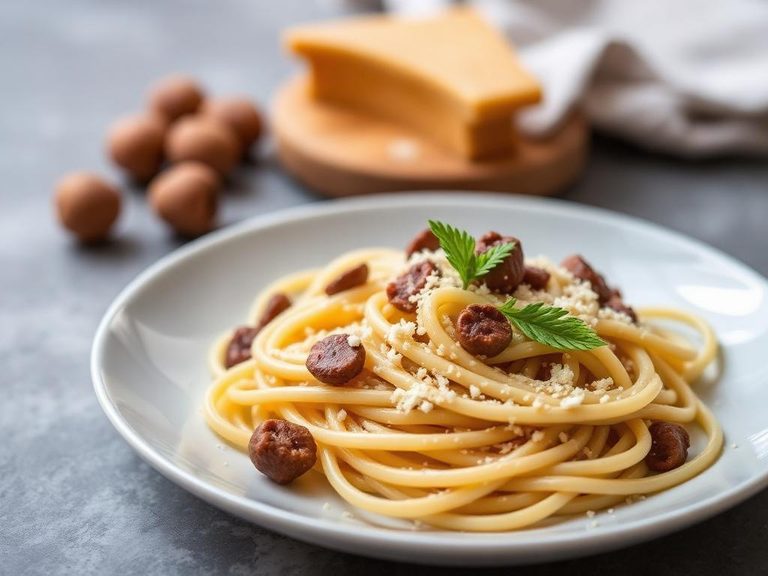
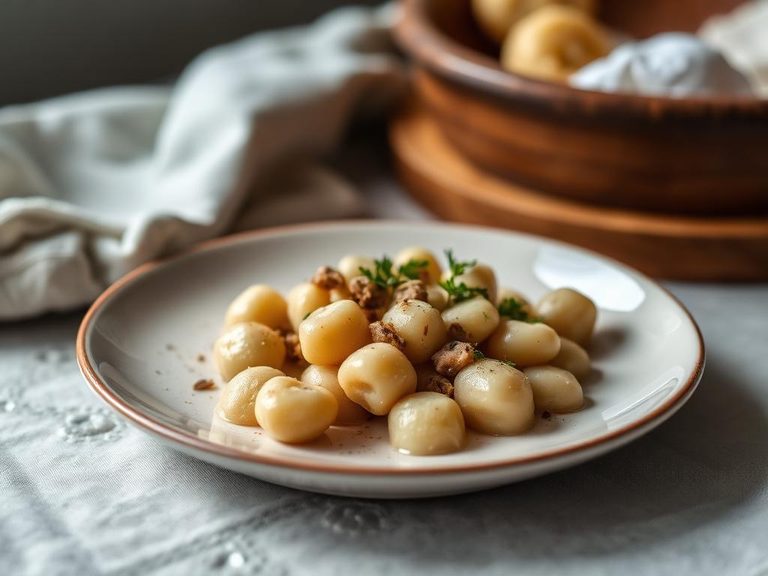
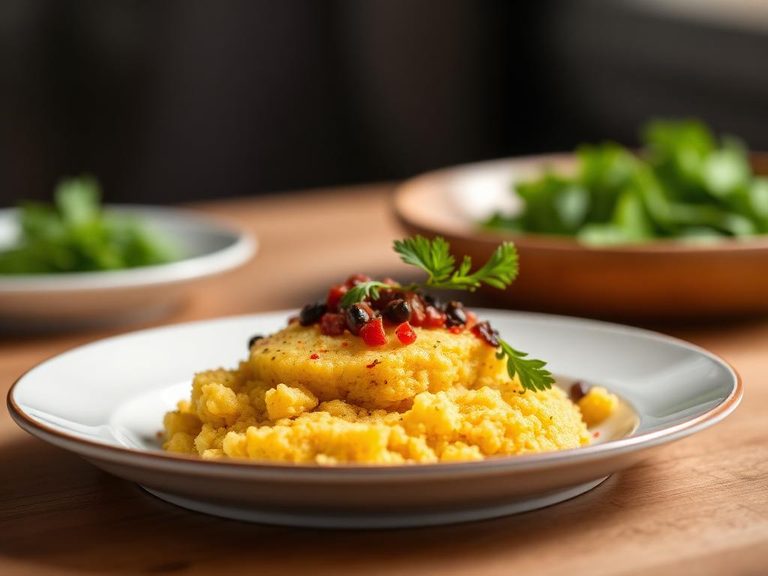
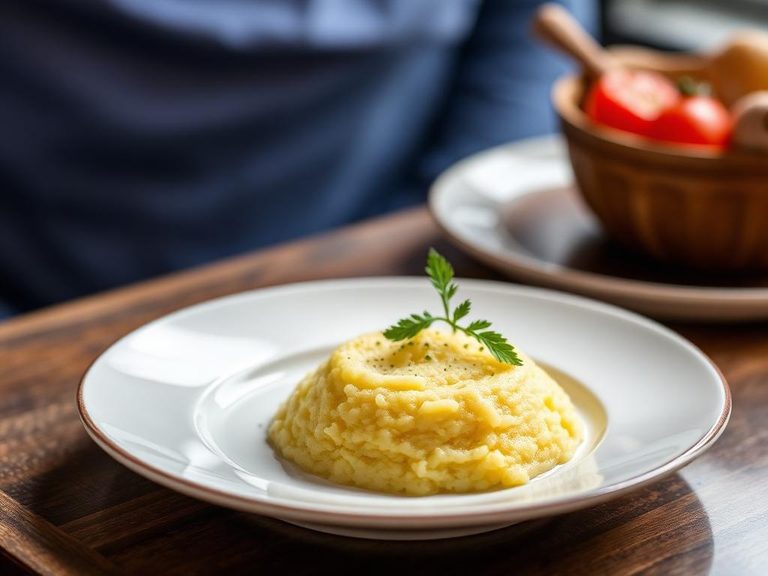
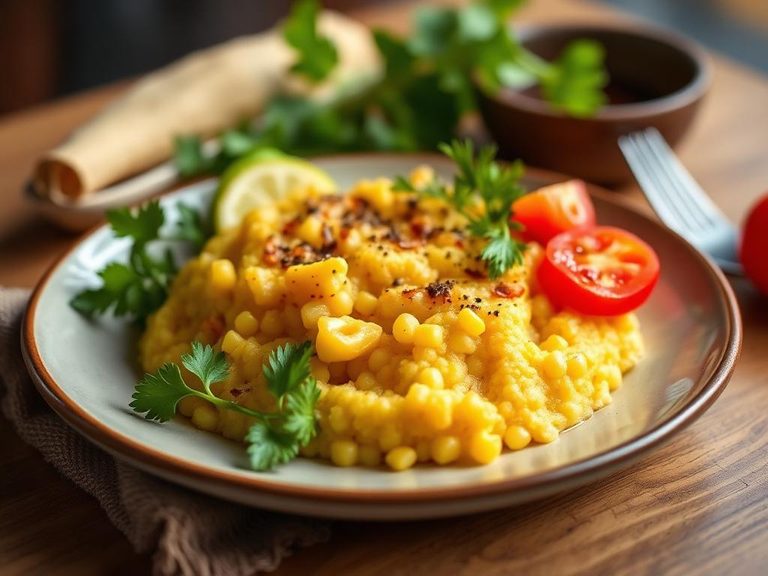
Chestnut Flour Polenta is a rustic, comforting dish from the mountainous regions of Northern Italy, particularly Piedmont and Liguria. It's made by slowly cooking chestnut flour with water or broth into a thick, creamy porridge, often seasoned simply with salt and sometimes enriched with butter or cheese. Unlike its more common corn-based cousin, this version has a distinctively sweet, nutty flavor and a denser, more velvety texture.
🍽️ Nutrition at a glance
This dish is primarily a source of complex carbohydrates and dietary fiber from the chestnut flour, providing sustained energy. A typical serving contains around 200-300 calories, with minimal fat and protein unless additions like butter, cheese, or cured meats are included.
Nutrition breakdown
| Calories | 220 kcal |
| Protein | 4.5 g |
| Carbs | 48 g |
| Fat | 2.5 g |
| Fiber | 4 g |
| Sugar | 2 g |
| Sodium | 10 mg |
| Potassium | 350 mg |
| Magnesium | 65 mg |
| Phosphorus | 100 mg |
| Iron | 2.5 mg |
| Zinc | 1.2 mg |
| Manganese | 1.5 mg |
| Vitamin B6 | 0.3 mg |
| Folate | 40 mcg |
Per 1 cup (240 g) · estimated, varies by recipe
💡 What's interesting
Culturally, it was historically a staple 'poor man's food' in alpine communities, utilizing the abundant local chestnut harvest. Nutritionally, chestnut flour is unique among flours for being gluten-free and relatively high in Vitamin C, antioxidants, and monounsaturated fats, offering a more nutrient-dense alternative to grain-based polentas.