Chestnut flour pancakes
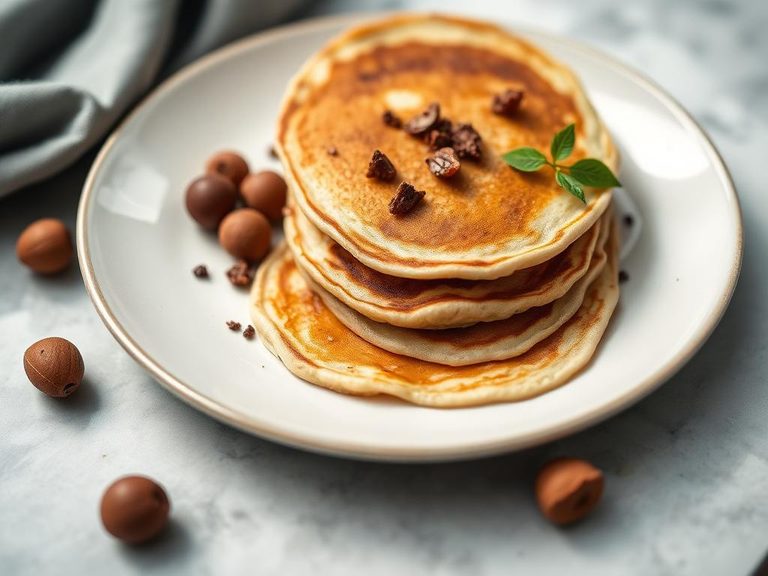
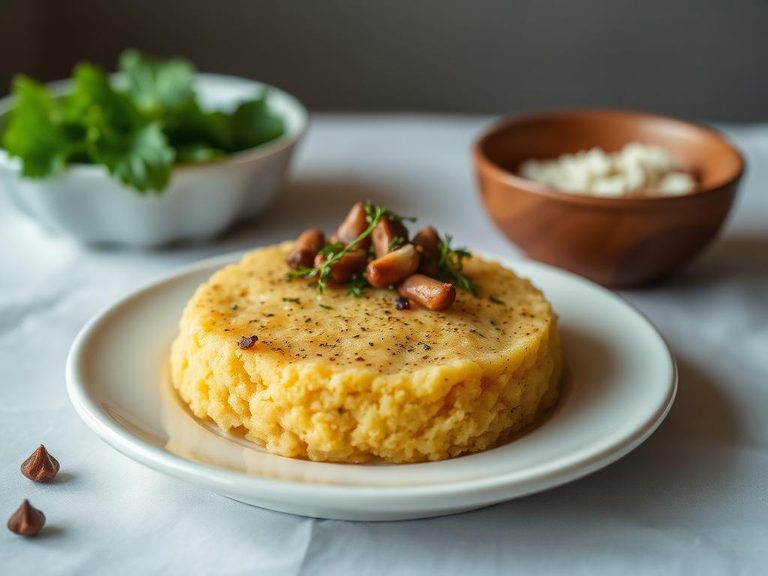
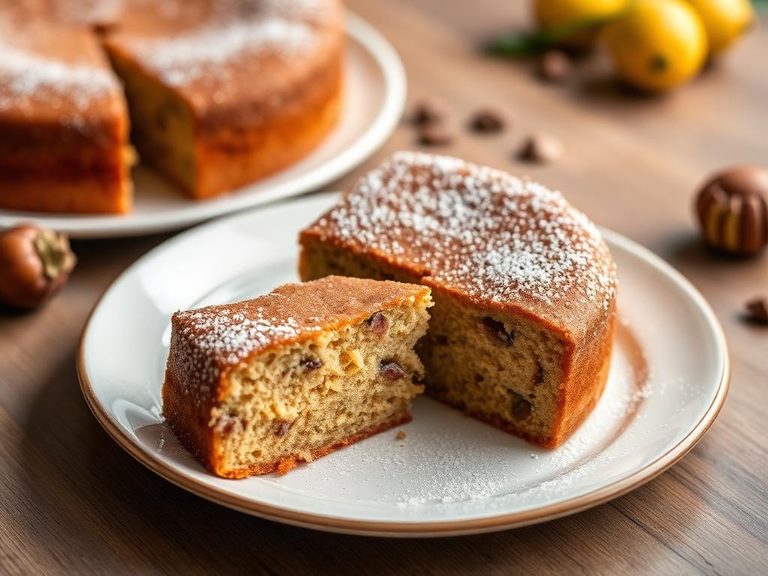
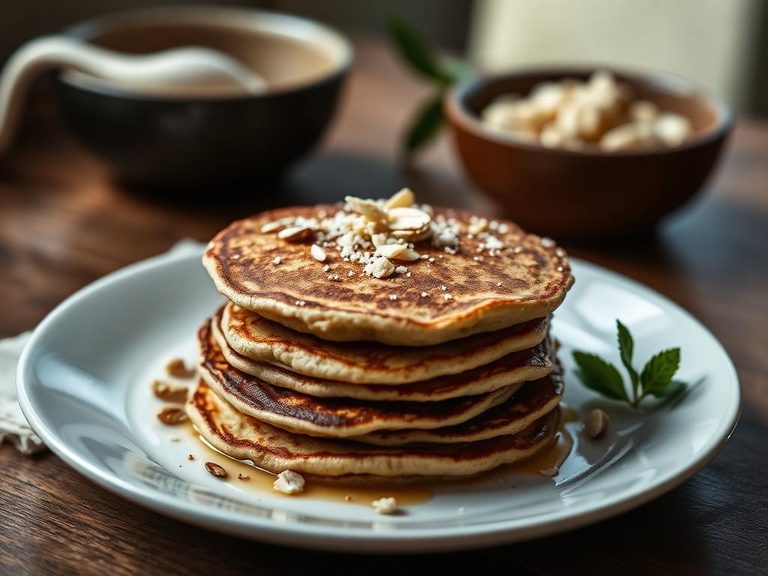
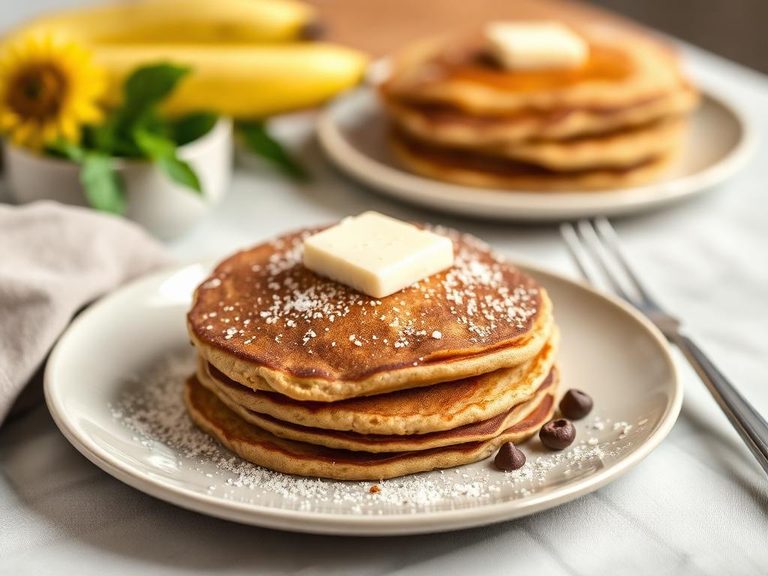
Chestnut flour pancakes are rustic, nutty-flavored pancakes made primarily from ground chestnuts, often mixed with other flours like wheat or buckwheat. They are a traditional specialty in regions where chestnuts are abundant, particularly in parts of Italy (like Tuscany and Liguria), France (such as Corsica), and the mountainous areas of China. The batter typically includes chestnut flour, eggs, milk or water, and a sweetener, resulting in a dense, earthy, and subtly sweet treat.
🍽️ Nutrition at a glance
These pancakes are generally high in carbohydrates from the chestnut flour, which also provides dietary fiber, B vitamins, and minerals like potassium and magnesium. They are moderate in fat (depending on added butter or oil) and relatively low in protein unless enriched with eggs or other additions. A typical serving of two medium pancakes contains roughly 250-350 calories.
Nutrition breakdown
| Calories | 280 kcal |
| Protein | 4.5 g |
| Carbs | 42 g |
| Fat | 11 g |
| Fiber | 3.5 g |
| Sugar | 8 g |
| Sodium | 320 mg |
| Potassium | 210 mg |
| Iron | 1.8 mg |
| Magnesium | 45 mg |
| Phosphorus | 95 mg |
| Vitamin C | 8 mg |
| Vitamin B6 | 0.3 mg |
| Manganese | 0.9 mg |
| Copper | 0.4 mg |
Per 2 pancakes (approx. 120 g) · estimated, varies by recipe
💡 What's interesting
Culturally, chestnut flour pancakes are a historic 'poor man's bread' in mountainous regions where wheat was scarce, turning a foraged staple into a versatile food. Nutritionally, chestnut flour is unique among nuts for being low in fat and high in complex carbs, offering a gluten-free (when pure) option with a naturally sweet, earthy flavor that sets it apart from grain-based pancakes.