

Mungo beans, mature seeds, raw
Whole food · Legumes and Legume Products

Photo: Wikipedia
Mungo beans, also known as black gram or urad dal, are small, jet-black legumes with a creamy, starchy interior. When cooked, they develop a rich, earthy, and slightly nutty flavor with a uniquely soft, almost sticky texture that's prized for creating creamy dishes. Nutritionally, they are a powerhouse, packing an impressive 25g of protein and over 18g of fiber per 100g of dry seeds.
Calorie split: 29% protein · 67% carbs · 4% fat
↓ Full nutrition💚 Why it's loved
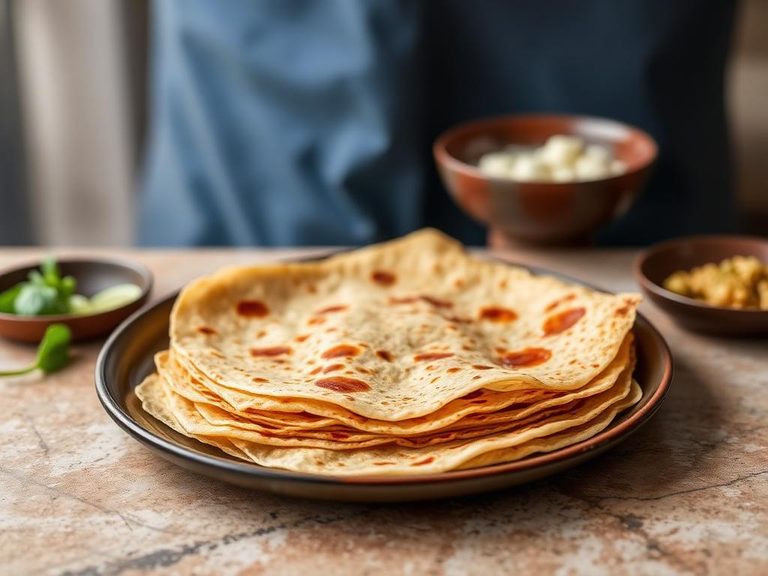
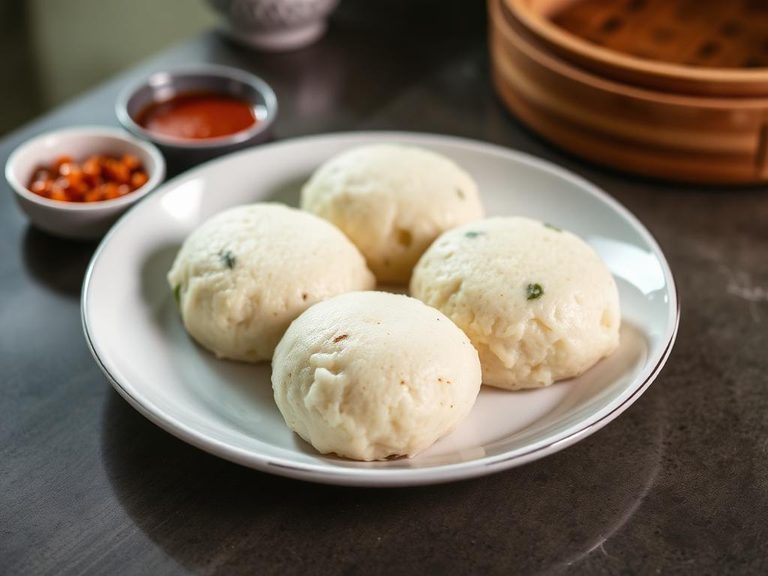
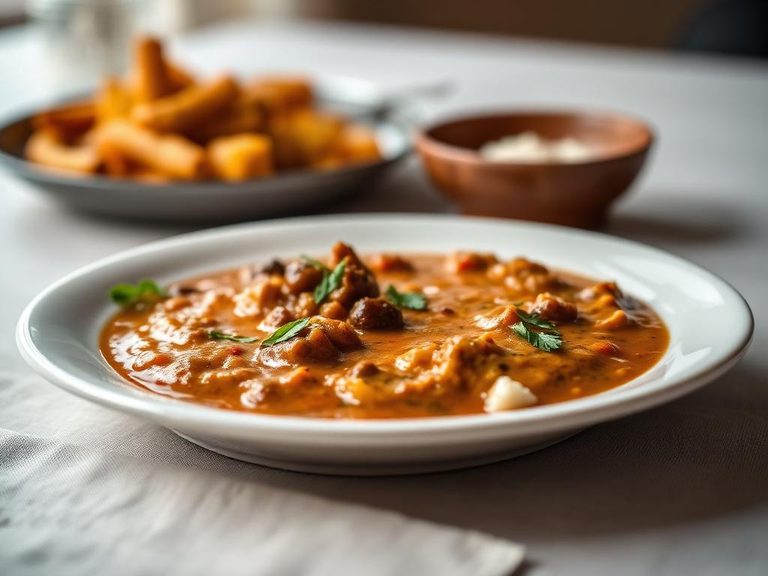
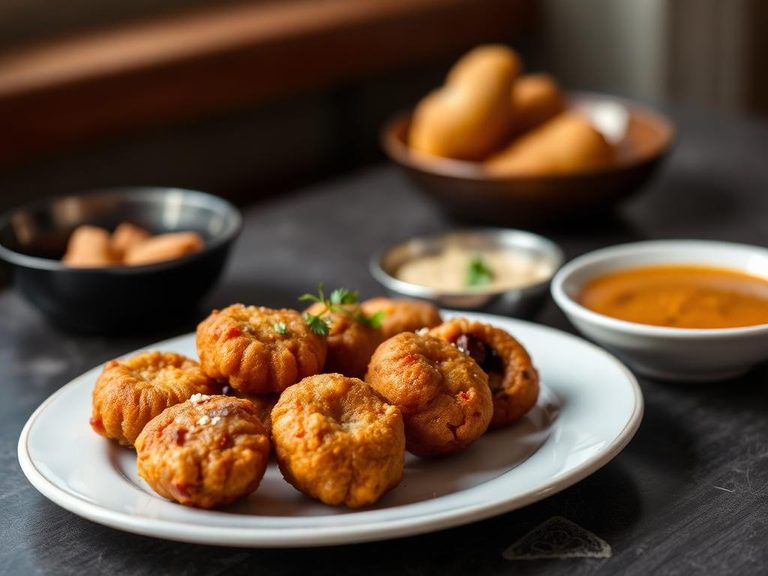
People love mungo beans for their ability to transform into luxuriously creamy dals and batters, forming the soul of iconic dishes like South Indian dosa and idli. Their deep, savory flavor is a cornerstone of many comfort foods across South Asia.
⚠️ Watch-outs & how to enjoy it better
The high fiber and protein content can cause digestive discomfort like bloating for some, especially if not used to legumes. To counteract this, soak them thoroughly for at least 8 hours or overnight, and rinse well before cooking. Pairing them with digestive spices like cumin or ginger in recipes can also help.
Key benefits
- Excellent source of plant-based protein (25g per 100g)
- Very high in dietary fiber (18g per 100g)
- Rich in essential minerals like iron, potassium, and magnesium
- Naturally low in fat (less than 2g per 100g)
🍽️ Popular dishes
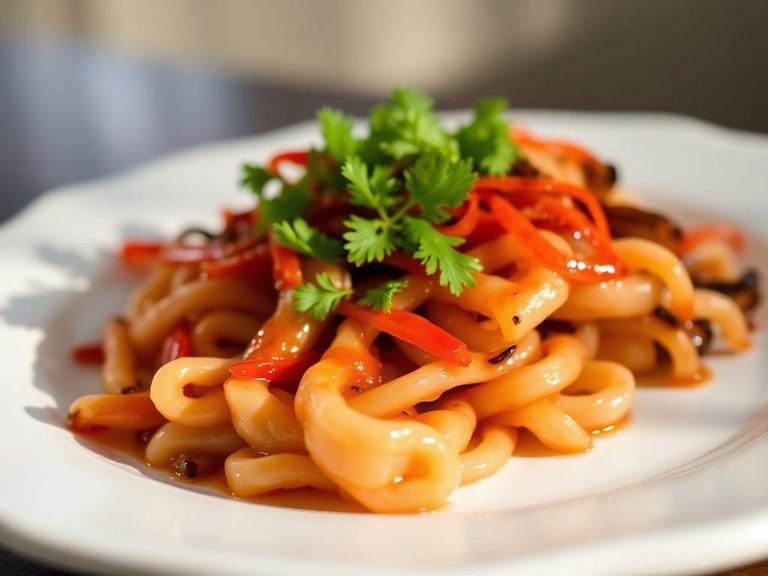
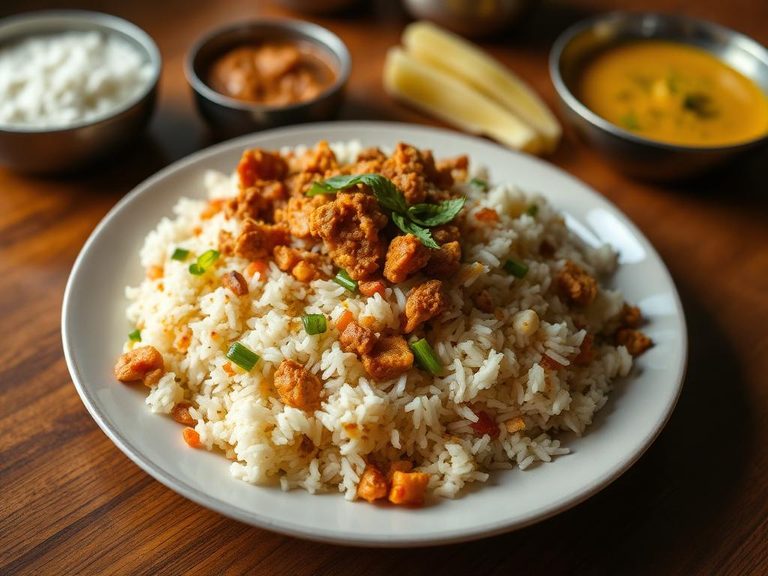
🌍 Where it's eaten
💡 Did you know?
The batter for South Indian dosa and idli is made by fermenting a soaked blend of rice and mungo beans (urad dal), a process that not only develops flavor but also increases the bioavailability of its nutrients.
Full nutrition (USDA data · scales with serving)
| Water | 10.8 g |
| Energy | 341 kcal |
| Energy | 1427 kj |
| Protein | 25.2 g |
| Total lipid (fat) | 1.6 g |
| Ash | 3.4 g |
| Carbohydrate, by difference | 59.0 g |
| Fiber, total dietary | 18.3 g |
| Calcium, Ca | 138 mg |
| Iron, Fe | 7.6 mg |
| Magnesium, Mg | 267 mg |
| Phosphorus, P | 379 mg |
| Potassium, K | 983 mg |
| Sodium, Na | 38.0 mg |
| Zinc, Zn | 3.4 mg |
| Copper, Cu | 0.98 mg |
| Manganese, Mn | 1.5 mg |
| Selenium, Se | 8.2 ug |
| Vitamin C, total ascorbic acid | 0.00 mg |
| Thiamin | 0.27 mg |
| Riboflavin | 0.25 mg |
| Niacin | 1.4 mg |
| Pantothenic acid | 0.91 mg |
| Vitamin B-6 | 0.28 mg |
| Folate, total | 216 ug |
| Folic acid | 0.00 ug |
| Folate, food | 216 ug |
| Folate, DFE | 216 ug |
| Vitamin B-12 | 0.00 ug |
| Vitamin A, RAE | 1.0 ug |
| Retinol | 0.00 ug |
| Vitamin A, IU | 23.0 iu |
| Vitamin D (D2 + D3), International Units | 0.00 iu |
| Vitamin D (D2 + D3) | 0.00 ug |
Fat & fatty acid profile (per 100g)
| Fatty acids, total saturated | 0.11 g |
| SFA 16:0 | 0.14 g |
| Fatty acids, total monounsaturated | 0.09 g |
| MUFA 18:1 | 0.09 g |
| Fatty acids, total polyunsaturated | 1.1 g |
| PUFA 18:2 | 0.07 g |
| PUFA 18:3 | 1.00 g |
| Fatty acids, total trans | 0.00 g |
| Cholesterol | 0.00 mg |
Amino acid profile (per 100g)
| Tryptophan | 0.26 g |
| Threonine | 0.88 g |
| Isoleucine | 1.3 g |
| Leucine | 2.1 g |
| Lysine | 1.7 g |
| Methionine | 0.37 g |
| Cystine | 0.23 g |
| Phenylalanine | 1.5 g |
| Tyrosine | 0.78 g |
| Valine | 1.4 g |
| Arginine | 1.6 g |
| Histidine | 0.71 g |
| Alanine | 1.1 g |
| Aspartic acid | 2.9 g |
| Glutamic acid | 4.1 g |
| Glycine | 1.1 g |
| Proline | 1.2 g |
| Serine | 1.3 g |
FAQ
What's the difference between mung beans and mungo beans?
Mung beans (Vigna radiata) are small, green, and commonly used in Asian desserts and sprouts. Mungo beans or black gram (Vigna mungo) are larger, black-skinned, and are a staple in Indian cuisine for dals and batters.
Do I need to soak mungo beans before cooking?
Yes, soaking for 8-12 hours is highly recommended. It softens the beans, reduces cooking time significantly, and helps minimize compounds that can cause digestive gas.
Are mungo beans the same as black-eyed peas?
No, they are different legumes. Black-eyed peas are cream-colored with a distinctive black spot, while mungo beans (urad dal) are uniformly black on the outside and white inside.
Nutrient density (calculated · NRF9.3)
Nutrient Rich Foods index: beneficial nutrients (protein, fiber, vitamins, minerals) minus saturated fat, added sugar & sodium, per 100 kcal.
NRF9.3 index — Fulgoni, Keast & Drewnowski, 2009. Computed from USDA nutrients.
Weight-loss friendliness (composite index)
Energy density 3.41 kcal/g · 30% calories from protein · 18.3 g fiber · 0.0 g sugar per 100 g.
Composite of energy density (Rolls et al., 1999), protein & fiber satiety, minus sugar. A calculated heuristic — ranks satiety-per-calorie, not a clinical measure.
Dietary load (calculated from USDA values)
Potential renal acid load. Positive = acid-forming, negative = alkaline-forming.
Sodium-to-potassium ratio: 0.04 (lower is better — aim for ≤ 1)
Sodium:potassium per WHO potassium guidance. Computed from USDA nutrients.