

Miso
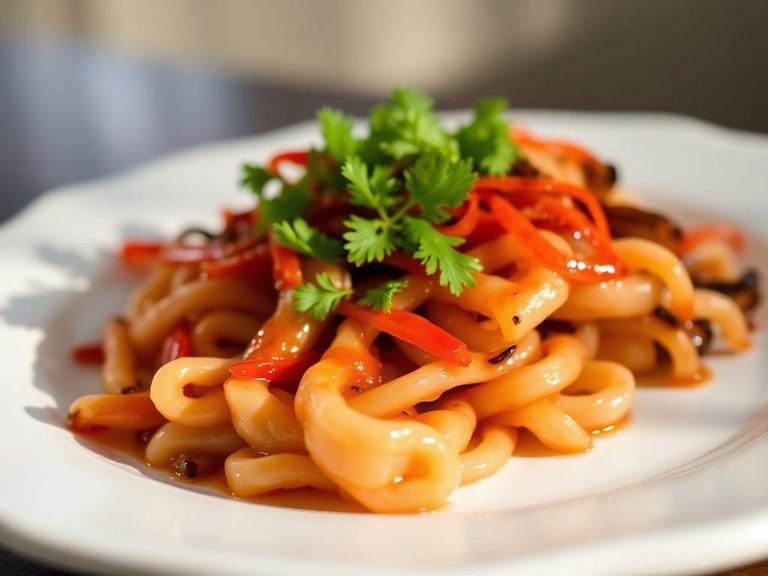
Miso is a traditional Japanese seasoning paste made by fermenting soybeans with salt and a fungus called koji, often combined with rice or barley. It is a cornerstone of Japanese cuisine, known for its rich, savory umami flavor that forms the base of miso soup and many other dishes.
🍽️ Nutrition at a glance
Miso is a nutrient-dense food, providing a good amount of plant-based protein and being particularly rich in B vitamins, manganese, and zinc. A typical serving is relatively low in calories, usually around 30-50 kcal, but is very high in sodium.
Nutrition breakdown
| Calories | 33 kcal |
| Protein | 2.2 g |
| Carbs | 4.3 g |
| Fat | 1 g |
| Fiber | 0.9 g |
| Sugar | 0.8 g |
| Sodium | 634 mg |
| Manganese | 0.3 mg |
| Zinc | 0.5 mg |
| Copper | 0.1 mg |
| Vitamin K2 | 2.8 µg |
| Vitamin B12 | 0.1 µg |
| Phosphorus | 22 mg |
| Iron | 0.5 mg |
| Selenium | 1.5 µg |
Per 1 tablespoon (18 g) · estimated, varies by recipe
💡 What's interesting
Miso is a living food; its fermentation process creates beneficial probiotics that support gut health. Culturally, it's a staple with over 1,000 varieties, and its flavor profile can vary dramatically from sweet and light to dark and robust depending on the fermentation time and ingredients.
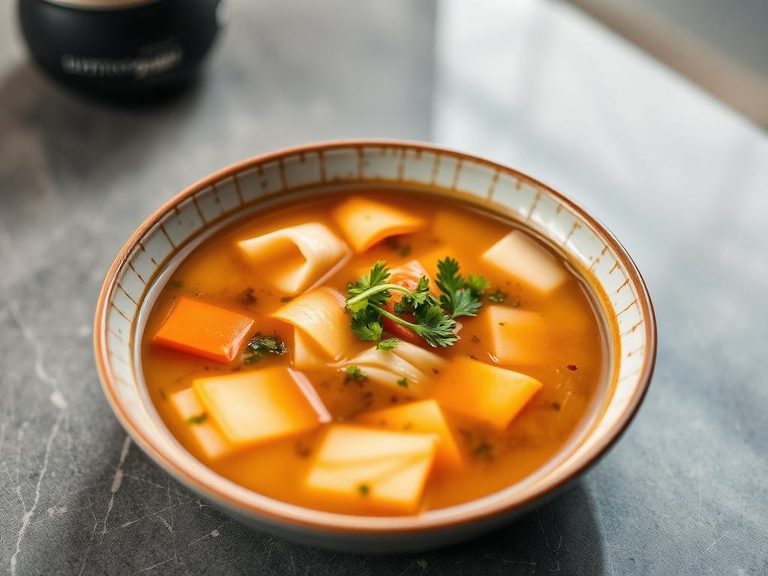
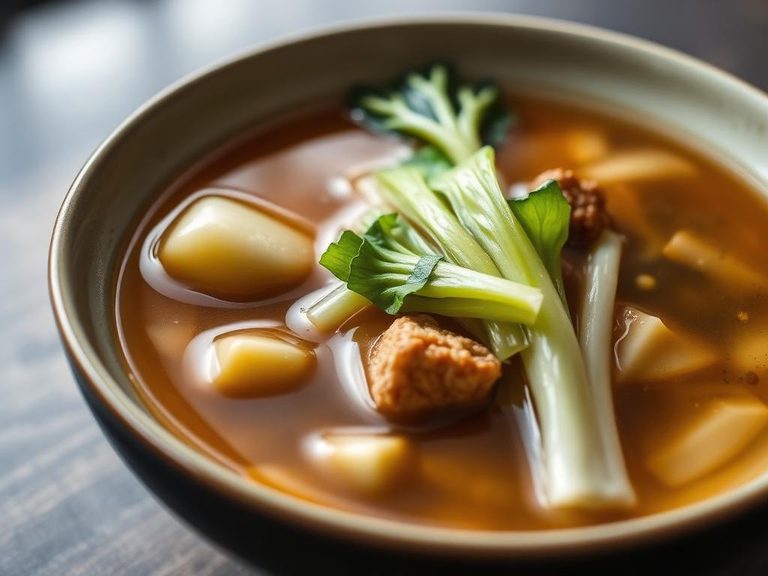
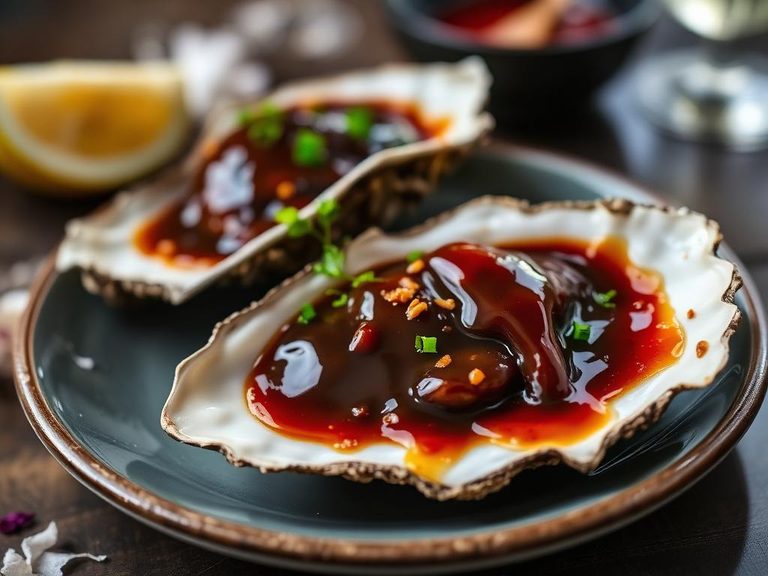
🍽️ Related dishes

AI estimate may be inaccurate · Terms