

Mountain yam, hawaii, cooked, steamed, without salt
Whole food · Vegetables and Vegetable Products

Photo: Wikipedia
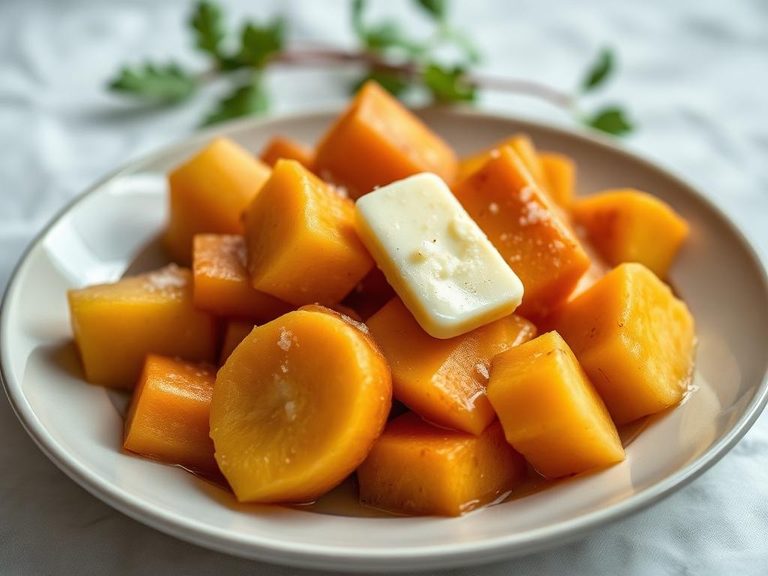
Mountain yam (Hawaiian variety), when steamed, transforms into a delightfully soft, starchy, and slightly sweet cube with a neutral, comforting flavor. Its texture is uniquely smooth and almost creamy, yet it holds its shape well. Nutritionally, it's a lean, energy-dense carbohydrate source with minimal fat.
Calorie split: 8% protein · 91% carbs · 1% fat
↓ Full nutrition💚 Why it's loved
People love it for its mild, versatile flavor that acts as a perfect canvas for savory or sweet seasonings, and its satisfying, comforting texture. In many cultures, it's a beloved staple that evokes a sense of home cooking and nourishment.
⚠️ Watch-outs & how to enjoy it better
Its high carbohydrate content can lead to blood sugar spikes if eaten alone, especially for those managing diabetes. To counteract this, always pair it with a source of protein (like beans or meat) or healthy fat (like a drizzle of olive oil) to slow digestion and stabilize glucose response. Practice portion control by filling only a quarter of your plate with it.
Key benefits
- Provides quick, easily digestible energy from complex carbs
- Very low in fat and sodium, making it heart-friendly
- A good source of potassium for electrolyte balance
- Naturally gluten-free and suitable for various dietary restrictions
🍽️ Popular dishes
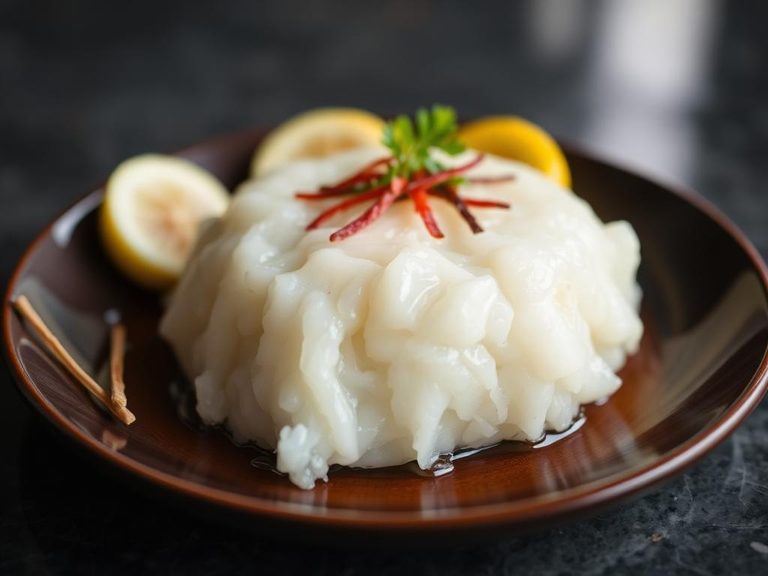
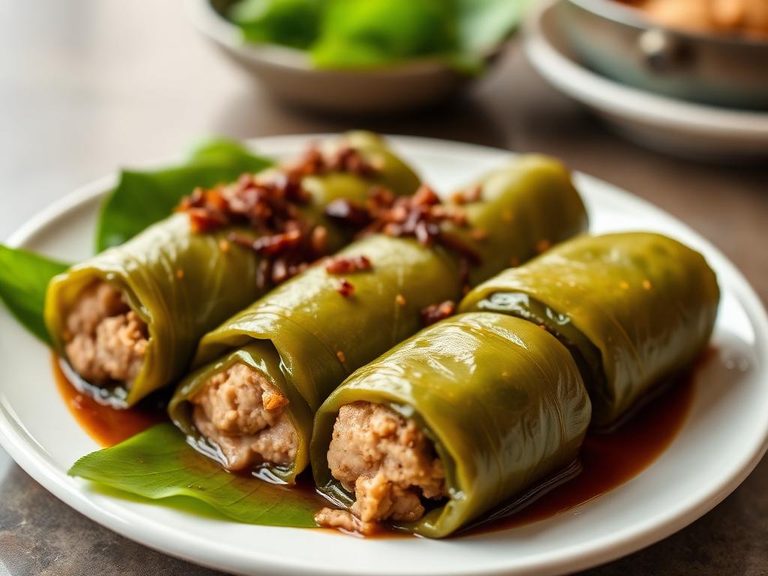
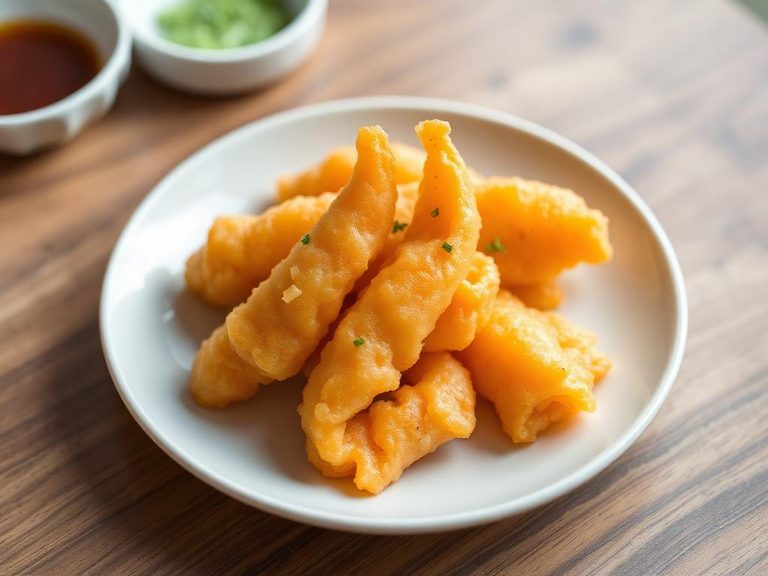
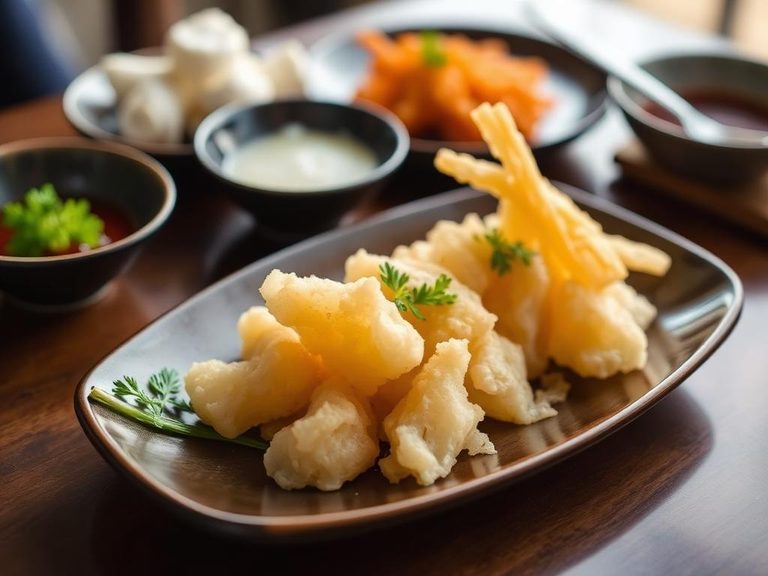
🌍 Where it's eaten
💡 Did you know?
The Hawaiian variety of mountain yam, known as 'uhi', was historically so important that it was cultivated in terraced fields and even buried in pits for long-term storage, serving as a crucial famine food.
Full nutrition (USDA data · scales with serving)
| Water | 77.1 g |
| Energy | 82.0 kcal |
| Energy | 343 kj |
| Protein | 1.7 g |
| Total lipid (fat) | 0.08 g |
| Ash | 1.1 g |
| Carbohydrate, by difference | 20.0 g |
| Calcium, Ca | 8.0 mg |
| Iron, Fe | 0.43 mg |
| Magnesium, Mg | 10.0 mg |
| Phosphorus, P | 40.0 mg |
| Potassium, K | 495 mg |
| Sodium, Na | 12.0 mg |
| Zinc, Zn | 0.32 mg |
| Copper, Cu | 0.13 mg |
| Manganese, Mn | 0.28 mg |
| Selenium, Se | 0.90 ug |
| Vitamin C, total ascorbic acid | 0.00 mg |
| Thiamin | 0.09 mg |
| Riboflavin | 0.01 mg |
| Niacin | 0.13 mg |
| Pantothenic acid | 0.48 mg |
| Vitamin B-6 | 0.21 mg |
| Folate, total | 12.0 ug |
| Folic acid | 0.00 ug |
| Folate, food | 12.0 ug |
| Folate, DFE | 12.0 ug |
| Vitamin B-12 | 0.00 ug |
| Vitamin A, RAE | 0.00 ug |
| Retinol | 0.00 ug |
| Vitamin A, IU | 0.00 iu |
| Vitamin D (D2 + D3), International Units | 0.00 iu |
| Vitamin D (D2 + D3) | 0.00 ug |
Fat & fatty acid profile (per 100g)
| Fatty acids, total saturated | 0.02 g |
| SFA 16:0 | 0.01 g |
| SFA 18:0 | 0.00 g |
| Fatty acids, total monounsaturated | 0.00 g |
| MUFA 18:1 | 0.00 g |
| Fatty acids, total polyunsaturated | 0.04 g |
| PUFA 18:2 | 0.03 g |
| PUFA 18:3 | 0.01 g |
| Fatty acids, total trans | 0.00 g |
| Cholesterol | 0.00 mg |
Amino acid profile (per 100g)
| Tryptophan | 0.01 g |
| Threonine | 0.06 g |
| Isoleucine | 0.06 g |
| Leucine | 0.11 g |
| Lysine | 0.07 g |
| Methionine | 0.02 g |
| Cystine | 0.02 g |
| Phenylalanine | 0.08 g |
| Tyrosine | 0.05 g |
| Valine | 0.07 g |
| Arginine | 0.14 g |
| Histidine | 0.04 g |
| Alanine | 0.07 g |
| Aspartic acid | 0.17 g |
| Glutamic acid | 0.20 g |
| Glycine | 0.06 g |
| Proline | 0.06 g |
| Serine | 0.09 g |
FAQ
How does steaming affect its nutritional value compared to boiling?
Steaming is generally better for preserving water-soluble nutrients like potassium and vitamin C, as the yam isn't submerged in water. Both methods are healthy, but steaming may retain slightly more nutrients.
Is it the same as a regular sweet potato?
No. While both are tubers, mountain yam (Dioscorea spp.) is a true yam, distinct from sweet potatoes (Ipomoea batatas). It typically has a milder, less sweet flavor and a starchier, denser texture when cooked.
Can I eat the skin?
While the skin is edible and contains fiber, the Hawaiian variety often has a thicker, tougher skin that is usually peeled before cooking for a better texture.
Nutrient density (calculated · NRF9.3)
Nutrient Rich Foods index: beneficial nutrients (protein, fiber, vitamins, minerals) minus saturated fat, added sugar & sodium, per 100 kcal.
NRF9.3 index — Fulgoni, Keast & Drewnowski, 2009. Computed from USDA nutrients.
Weight-loss friendliness (composite index)
Energy density 0.82 kcal/g · 8% calories from protein · 0.0 g fiber · 0.0 g sugar per 100 g.
Composite of energy density (Rolls et al., 1999), protein & fiber satiety, minus sugar. A calculated heuristic — ranks satiety-per-calorie, not a clinical measure.
Dietary load (calculated from USDA values)
Potential renal acid load. Positive = acid-forming, negative = alkaline-forming.
Sodium-to-potassium ratio: 0.02 (lower is better — aim for ≤ 1)
Sodium:potassium per WHO potassium guidance. Computed from USDA nutrients.