

Licuado or Batido
Common food

Photo: Wikipedia
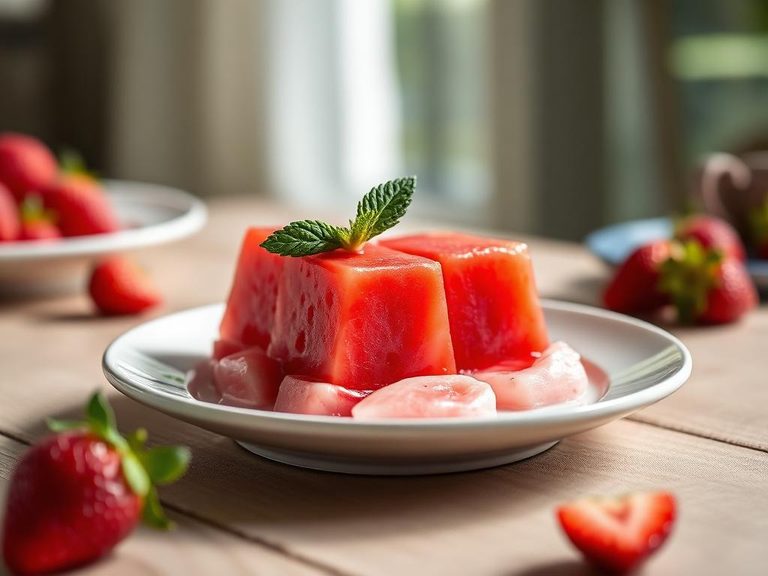
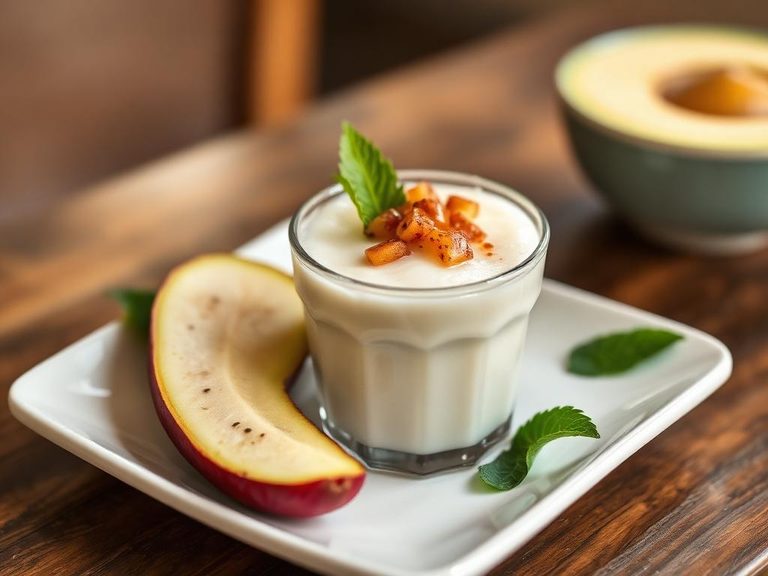
A licuado or batido is a creamy, refreshing blended beverage, typically made with fruit, milk, and sometimes ice or yogurt, offering a smooth, drinkable texture. Its nutrition profile is light and naturally sweet, with a moderate carbohydrate content primarily from fruit sugars and minimal fat. It serves as a quick, hydrating source of energy and natural vitamins, making it a popular choice for breakfast or a snack.
Calorie split: 12% protein · 70% carbs · 17% fat
↓ Full nutrition💚 Why it's loved
People love it for its customizable, sweet, and creamy flavor that feels like a treat while being refreshing. Its versatility allows for endless combinations of fruits, milks, and add-ins to suit any taste or dietary preference.
⚠️ Watch-outs & how to enjoy it better
The natural sugar content can cause blood-sugar spikes if consumed alone, especially for those with insulin sensitivity. To counteract this, pair it with a source of protein or healthy fat (like nuts, seeds, or a scoop of protein powder) to slow sugar absorption. Also, be mindful of added sugars from sweetened milks or syrups.
Key benefits
- Provides quick, natural energy from fruit carbohydrates
- Good source of hydration and electrolytes
- Can be a convenient way to consume fruit and dairy nutrients
- Light and easy to digest for most people
- Offers a refreshing, low-fat snack option
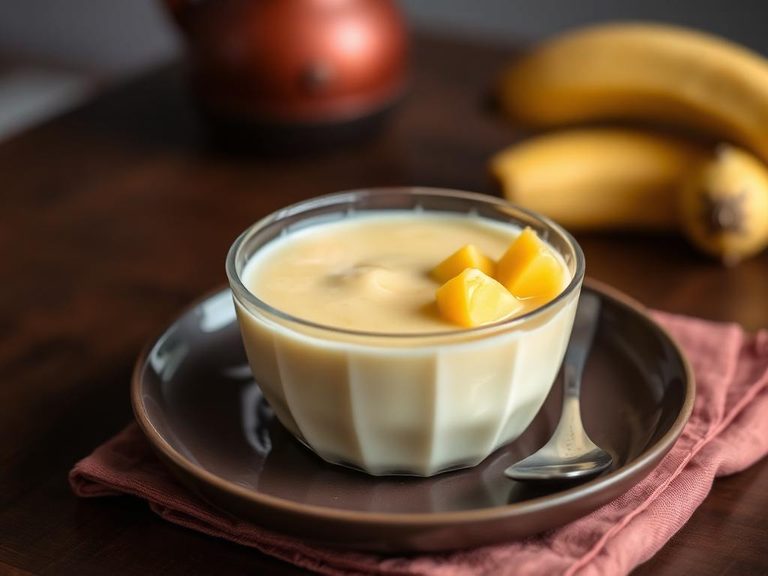
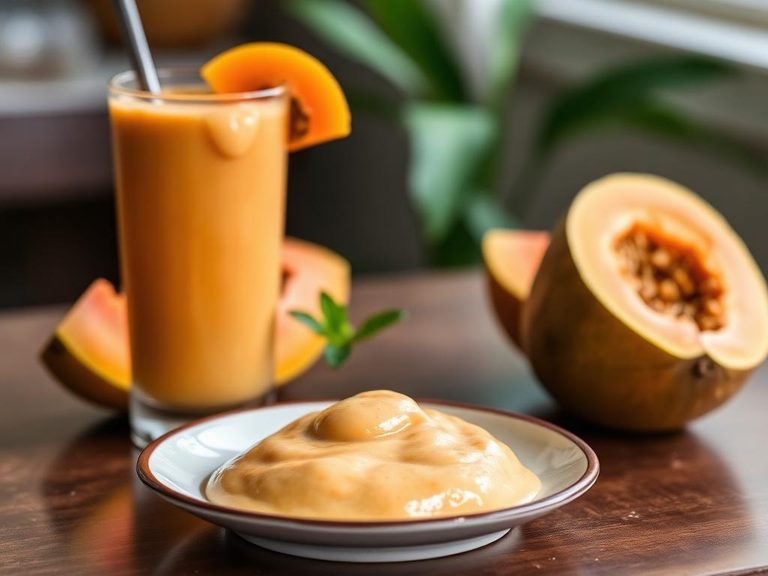
🍽️ Popular dishes
🌍 Where it's eaten
💡 Did you know?
In many Latin American countries, a 'licuado' is a standard, affordable breakfast item sold by street vendors, often made to order in a blender right in front of you.
Full nutrition (USDA data · scales with serving)
| Water | 82.4 g |
| Energy | 75.0 kcal |
| Protein | 2.3 g |
| Total lipid (fat) | 1.4 g |
| Carbohydrate, by difference | 13.2 g |
| Fiber, total dietary | 0.60 g |
| Total Sugars | 11.5 g |
| Calcium, Ca | 83.0 mg |
| Iron, Fe | 0.04 mg |
| Magnesium, Mg | 14.0 mg |
| Phosphorus, P | 72.0 mg |
| Potassium, K | 179 mg |
| Sodium, Na | 25.0 mg |
| Zinc, Zn | 0.32 mg |
| Copper, Cu | 0.02 mg |
| Selenium, Se | 1.3 ug |
| Vitamin C, total ascorbic acid | 10.7 mg |
| Thiamin | 0.05 mg |
| Riboflavin | 0.09 mg |
| Niacin | 0.24 mg |
| Vitamin B-6 | 0.08 mg |
| Folate, total | 4.0 ug |
| Folic acid | 0.00 ug |
| Folate, food | 4.0 ug |
| Folate, DFE | 4.0 ug |
| Choline, total | 13.9 mg |
| Vitamin B-12 | 0.35 ug |
| Vitamin B-12, added | 0.00 ug |
| Vitamin A, RAE | 37.0 ug |
| Retinol | 36.0 ug |
| Carotene, beta | 5.0 ug |
| Carotene, alpha | 1.0 ug |
| Cryptoxanthin, beta | 0.00 ug |
| Lycopene | 0.00 ug |
| Lutein + zeaxanthin | 7.0 ug |
| Vitamin E (alpha-tocopherol) | 0.08 mg |
| Vitamin E, added | 0.00 mg |
| Vitamin D (D2 + D3) | 0.70 ug |
| Vitamin K (phylloquinone) | 0.40 ug |
| Alcohol, ethyl | 0.00 g |
| Caffeine | 0.00 mg |
| Theobromine | 0.00 mg |
Fat & fatty acid profile (per 100g)
| Fatty acids, total saturated | 0.81 g |
| SFA 4:0 | 0.03 g |
| SFA 6:0 | 0.02 g |
| SFA 8:0 | 0.01 g |
| SFA 10:0 | 0.04 g |
| SFA 12:0 | 0.04 g |
| SFA 14:0 | 0.13 g |
| SFA 16:0 | 0.38 g |
| SFA 18:0 | 0.13 g |
| Fatty acids, total monounsaturated | 0.29 g |
| MUFA 16:1 | 0.02 g |
| MUFA 18:1 | 0.30 g |
| MUFA 20:1 | 0.00 g |
| MUFA 22:1 | 0.00 g |
| Fatty acids, total polyunsaturated | 0.06 g |
| PUFA 18:2 | 0.06 g |
| PUFA 18:3 | 0.01 g |
| PUFA 18:4 | 0.00 g |
| PUFA 20:4 | 0.00 g |
| PUFA 20:5 n-3 (EPA) | 0.00 g |
| PUFA 22:5 n-3 (DPA) | 0.00 g |
| PUFA 22:6 n-3 (DHA) | 0.00 g |
| Cholesterol | 6.0 mg |
FAQ
What's the difference between a licuado and a batido?
The terms are often used interchangeably, but 'licuado' (from 'licuar,' to blend) is more common in Mexico and Central America, while 'batido' (from 'batir,' to beat) is prevalent in the Caribbean and South America. Both refer to blended fruit drinks, though batidos can sometimes be thicker, like a milkshake.
Is a licuado a smoothie?
Yes, it's essentially a Latin American style of smoothie. The key distinction is that licuados are traditionally blended with milk (dairy or plant-based) rather than just juice or water, giving them a creamier, more filling base.
Can I make a licuado without dairy?
Absolutely. You can use water, coconut water, or any plant-based milk (almond, oat, soy) as the liquid base. The texture and flavor will change slightly, but it remains a delicious and refreshing drink.
Nutrient density (calculated · NRF9.3)
Nutrient Rich Foods index: beneficial nutrients (protein, fiber, vitamins, minerals) minus saturated fat, added sugar & sodium, per 100 kcal.
NRF9.3 index — Fulgoni, Keast & Drewnowski, 2009. Computed from USDA nutrients.
Weight-loss friendliness (composite index)
Energy density 0.75 kcal/g · 12% calories from protein · 0.6 g fiber · 11.5 g sugar per 100 g.
Composite of energy density (Rolls et al., 1999), protein & fiber satiety, minus sugar. A calculated heuristic — ranks satiety-per-calorie, not a clinical measure.
Dietary load (calculated from USDA values)
Potential renal acid load. Positive = acid-forming, negative = alkaline-forming.
Sodium-to-potassium ratio: 0.14 (lower is better — aim for ≤ 1)
Sodium:potassium per WHO potassium guidance. Computed from USDA nutrients.