

Lamb, Australian, imported, fresh, shoulder, whole (arm and blade), separable lean and fat, trimmed to 1/8" fat, raw
Whole food · Lamb, Veal, and Game Products
This is a primal cut from the shoulder of Australian lamb, a well-marbled section where the arm and blade meet, offering a robust, deep lamb flavor and a texture that transforms from firm to meltingly tender with slow cooking. Nutritionally, it's a powerhouse of protein and provides a rich source of energy from its natural fat, which is key to its succulent mouthfeel.
Calorie split: 27% protein · 0% carbs · 73% fat
↓ Full nutrition💚 Why it's loved
People adore it for its deep, savory, and distinctly 'lamb' flavor that stands up to bold herbs and spices. Its generous marbling makes it incredibly forgiving and rewarding for slow-cooking methods, yielding fall-apart tender results.
⚠️ Watch-outs & how to enjoy it better
The high fat content, while flavor-enhancing, means it's calorie-dense and not suitable for low-fat diets without significant trimming. For those monitoring saturated fat intake, portion control is key. To counteract, pair lean slices with a large portion of fiber-rich vegetables or legumes, and consider braising to render out excess fat which can then be skimmed.
Key benefits
- Excellent source of high-quality protein for muscle maintenance.
- Rich in iron, zinc, and B vitamins like B12.
- Contains conjugated linoleic acid (CLA), a type of beneficial fat.
- The fat profile includes monounsaturated fats, similar to those in olive oil.
- Provides essential amino acids for overall bodily function.
🍽️ Popular dishes
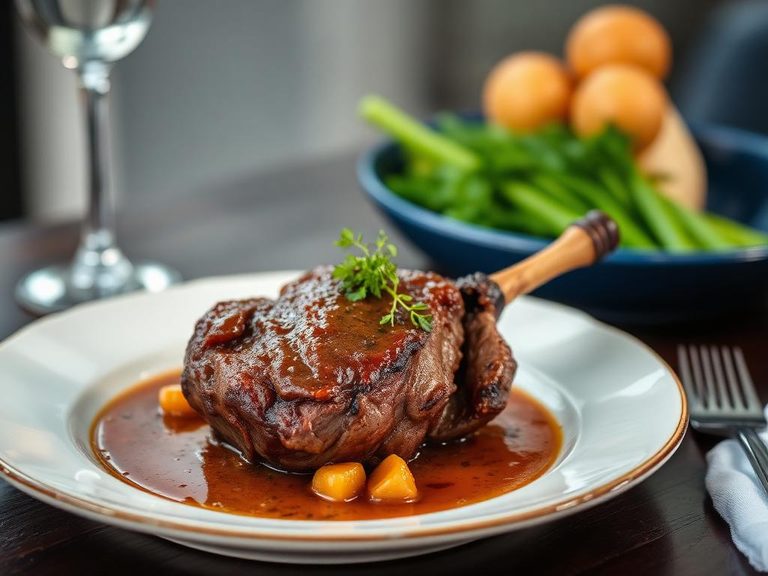
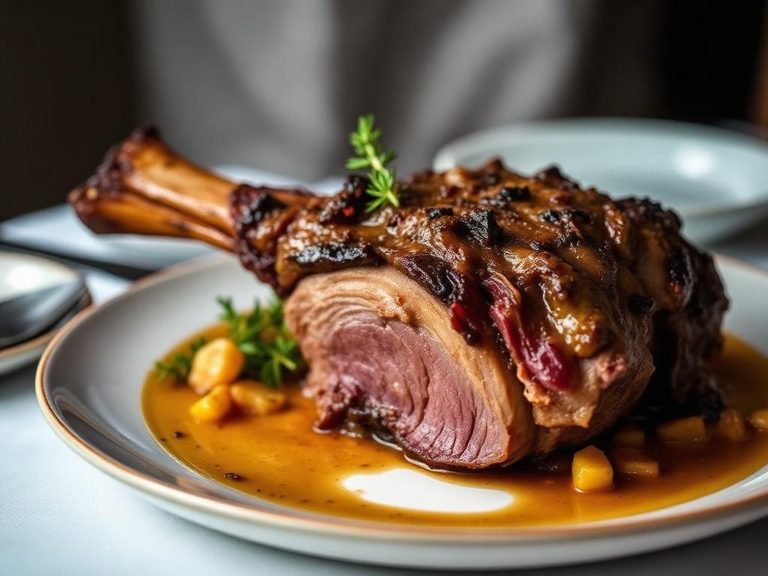
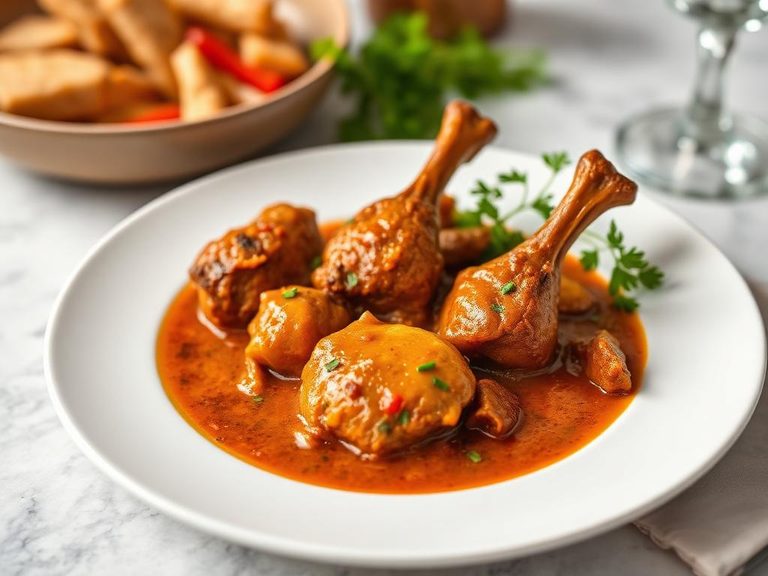
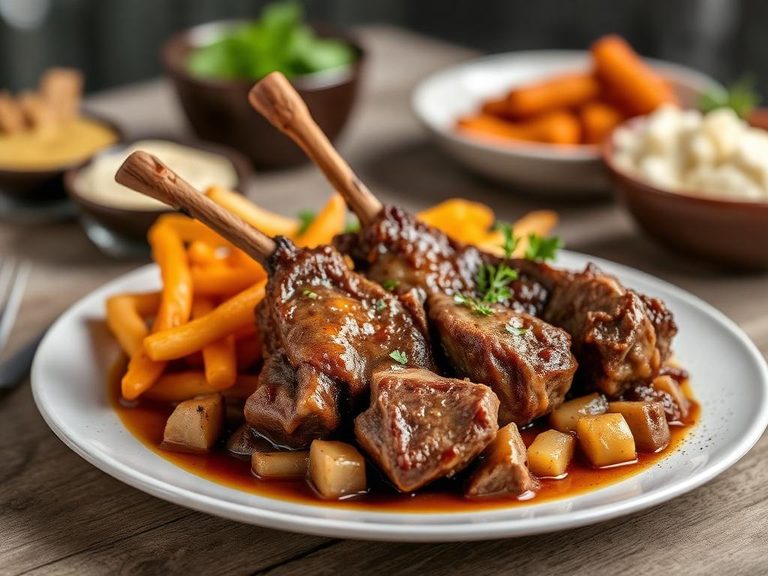
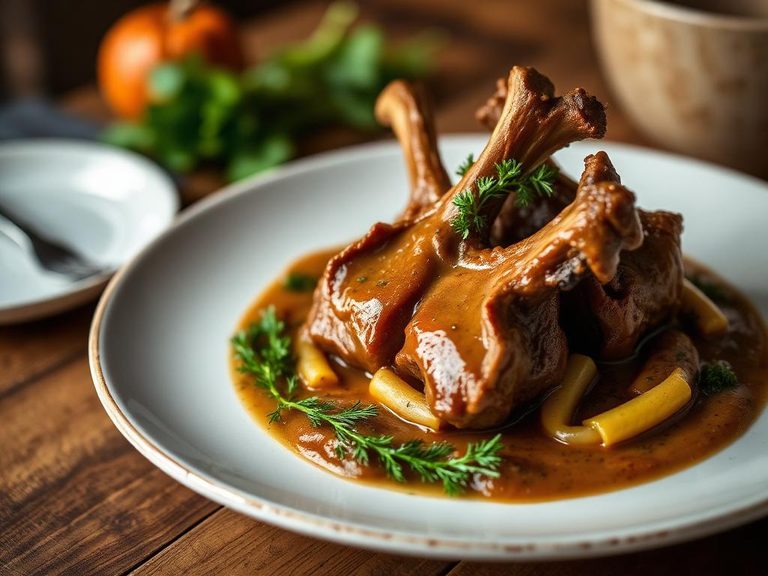
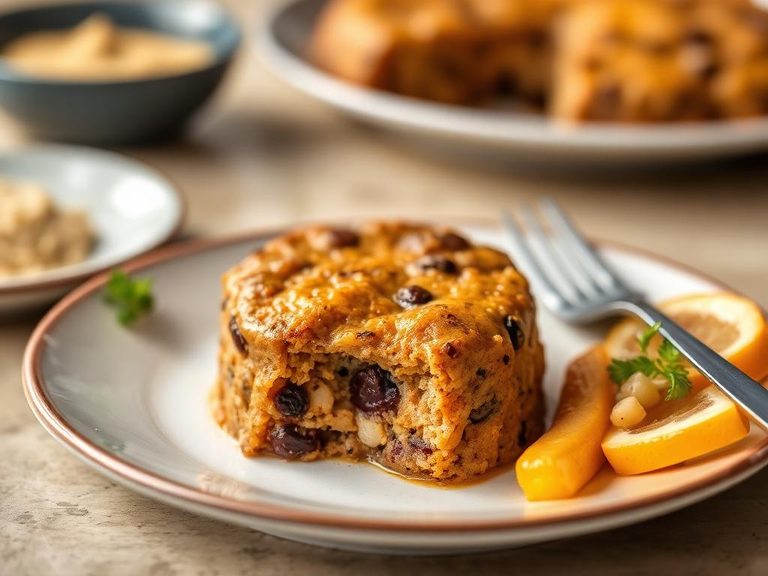
🌍 Where it's eaten
💡 Did you know?
The shoulder is one of the most worked muscles on the animal, containing significant connective tissue (collagen) which, when cooked low and slow, breaks down into gelatin, creating a luxuriously rich and silky sauce.
Full nutrition (USDA data · scales with serving)
| Water | 62.7 g |
| Energy | 256 kcal |
| Energy | 1071 kj |
| Protein | 16.7 g |
| Total lipid (fat) | 20.5 g |
| Ash | 0.78 g |
| Carbohydrate, by difference | 0.00 g |
| Calcium, Ca | 18.0 mg |
| Iron, Fe | 1.3 mg |
| Magnesium, Mg | 18.0 mg |
| Phosphorus, P | 156 mg |
| Potassium, K | 267 mg |
| Sodium, Na | 76.0 mg |
| Zinc, Zn | 4.1 mg |
| Copper, Cu | 0.11 mg |
| Manganese, Mn | 0.01 mg |
| Selenium, Se | 3.3 ug |
| Thiamin | 0.11 mg |
| Riboflavin | 0.21 mg |
| Niacin | 4.0 mg |
| Pantothenic acid | 0.68 mg |
| Vitamin B-6 | 0.26 mg |
| Vitamin B-12 | 2.6 ug |
Fat & fatty acid profile (per 100g)
| Fatty acids, total saturated | 9.9 g |
| SFA 10:0 | 0.03 g |
| SFA 12:0 | 0.06 g |
| SFA 14:0 | 0.81 g |
| SFA 15:0 | 0.13 g |
| SFA 16:0 | 4.7 g |
| SFA 17:0 | 0.30 g |
| SFA 18:0 | 3.9 g |
| SFA 20:0 | 0.03 g |
| Fatty acids, total monounsaturated | 8.3 g |
| MUFA 14:1 | 0.03 g |
| MUFA 16:1 | 0.38 g |
| MUFA 18:1 | 7.7 g |
| MUFA 20:1 | 0.08 g |
| Fatty acids, total polyunsaturated | 0.84 g |
| PUFA 18:2 | 0.50 g |
| PUFA 18:3 | 0.24 g |
| PUFA 20:4 | 0.08 g |
| Cholesterol | 66.0 mg |
Amino acid profile (per 100g)
| Tryptophan | 0.20 g |
| Threonine | 0.71 g |
| Isoleucine | 0.81 g |
| Leucine | 1.3 g |
| Lysine | 1.5 g |
| Methionine | 0.43 g |
| Cystine | 0.20 g |
| Phenylalanine | 0.68 g |
| Tyrosine | 0.56 g |
| Valine | 0.90 g |
| Arginine | 0.99 g |
| Histidine | 0.53 g |
| Alanine | 1.0 g |
| Aspartic acid | 1.5 g |
| Glutamic acid | 2.4 g |
| Glycine | 0.81 g |
| Proline | 0.70 g |
| Serine | 0.62 g |
FAQ
What's the difference between the arm and blade portion of the shoulder?
The arm (or 'round') is a single, leaner muscle, while the blade is flatter with more connective tissue and fat seams. Both are excellent for slow cooking, but the blade may require slightly longer to become fully tender.
How should I cook this cut to make it tender?
Low-and-slow methods are ideal. Braise, slow-roast, stew, or cook in a pressure cooker. High-heat methods like grilling can make it tough unless it's sliced very thin against the grain.
Is the fat on this cut edible?
Yes, the fat is edible and adds significant flavor and moisture during cooking. You can trim excess external fat before cooking if desired, but the internal marbling is what keeps the meat juicy.
How does Australian lamb differ from other origins?
Australian lamb is typically grain-finished, leading to a milder, less 'gamey' flavor and consistent marbling compared to some grass-fed varieties. It's known for its quality and food safety standards.
Nutrient density (calculated · NRF9.3)
Nutrient Rich Foods index: beneficial nutrients (protein, fiber, vitamins, minerals) minus saturated fat, added sugar & sodium, per 100 kcal.
NRF9.3 index — Fulgoni, Keast & Drewnowski, 2009. Computed from USDA nutrients.
Weight-loss friendliness (composite index)
Energy density 2.56 kcal/g · 26% calories from protein · 0.0 g fiber · 0.0 g sugar per 100 g.
Composite of energy density (Rolls et al., 1999), protein & fiber satiety, minus sugar. A calculated heuristic — ranks satiety-per-calorie, not a clinical measure.
Dietary load (calculated from USDA values)
Potential renal acid load. Positive = acid-forming, negative = alkaline-forming.
Sodium-to-potassium ratio: 0.28 (lower is better — aim for ≤ 1)
Sodium:potassium per WHO potassium guidance. Computed from USDA nutrients.