

Lamb, Australian, imported, fresh, shoulder, arm, separable lean only, trimmed to 1/8" fat, raw
Whole food · Lamb, Veal, and Game Products
This cut is the lean, muscular portion from the lamb shoulder arm, prized for its deep, savory flavor and fine-grained texture. With virtually no carbohydrates and a high protein content, it's a nutrient-dense powerhouse for muscle maintenance. Its lean profile makes it a versatile, healthy choice for various cooking methods.
Calorie split: 60% protein · 0% carbs · 40% fat
↓ Full nutrition💚 Why it's loved
People love it for its robust, distinctly lamb-like flavor that isn't overly gamey, and its tender, lean texture when cooked properly. It's a staple in many cuisines, offering a satisfying, hearty meal that can be dressed up or down for everyday dinners or special occasions.
⚠️ Watch-outs & how to enjoy it better
The lean nature means it can become dry if overcooked, which is a common issue for inexperienced cooks. To counteract this, use moist-heat methods like braising or stewing, or marinate it beforehand to add flavor and tenderness. Those watching their iron intake should be aware of its high heme iron content, which is beneficial but can be a concern for individuals with hemochromatosis.
Key benefits
- High-quality protein for muscle repair and growth
- Naturally zero in carbohydrates and sugars
- Rich source of B vitamins, especially B12 and niacin
- Provides essential minerals like zinc and iron
- Low in fat compared to other lamb cuts
🍽️ Popular dishes
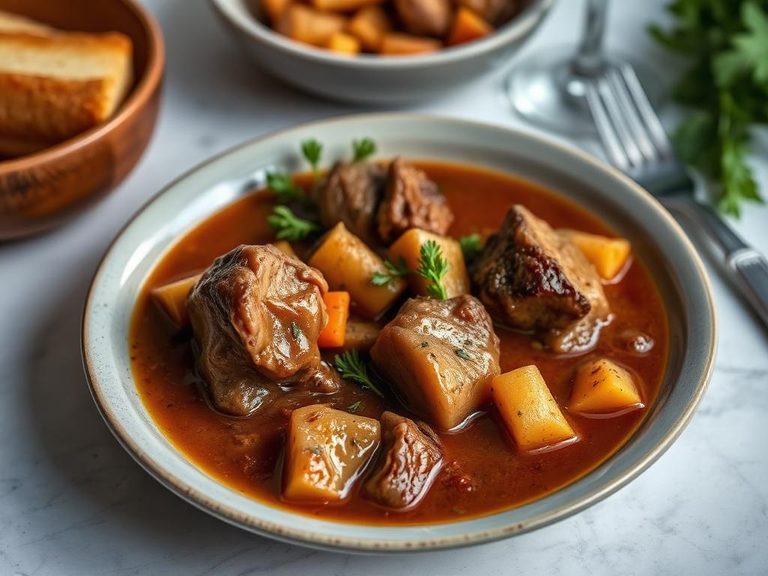
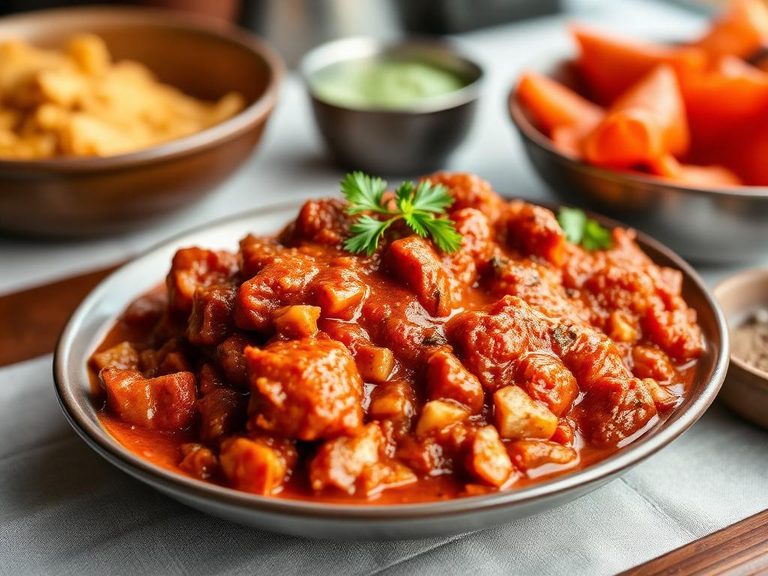
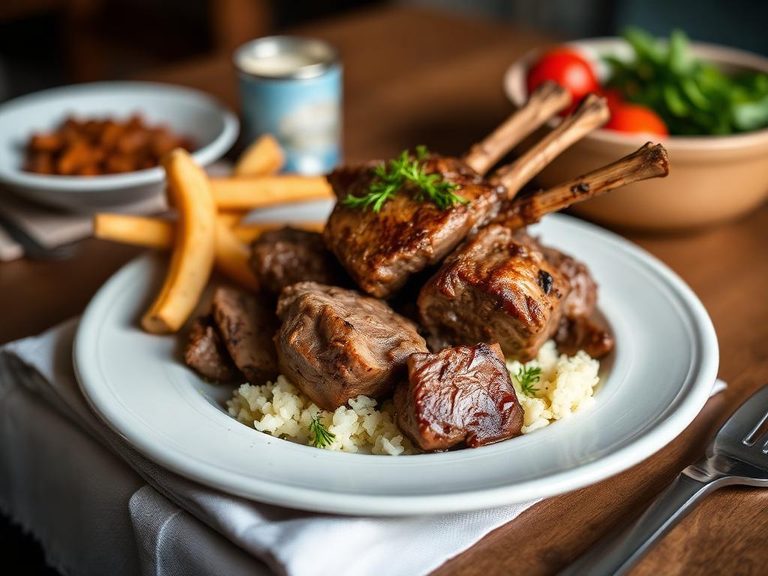
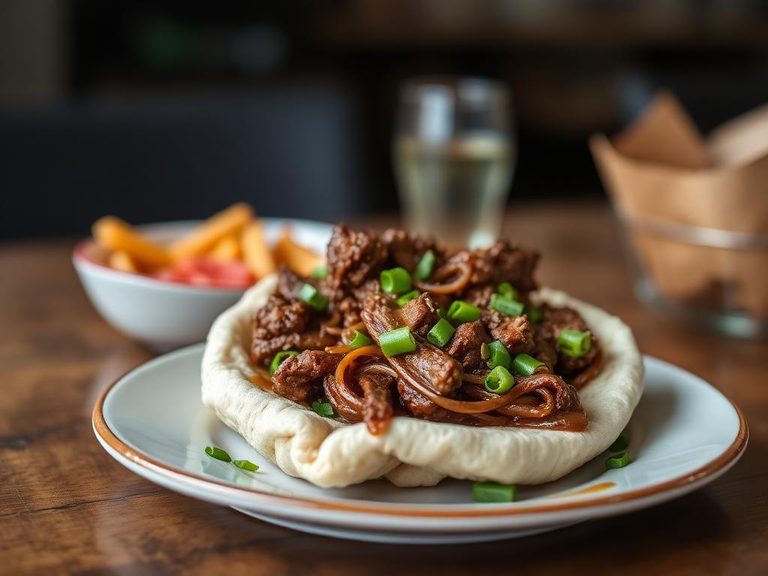
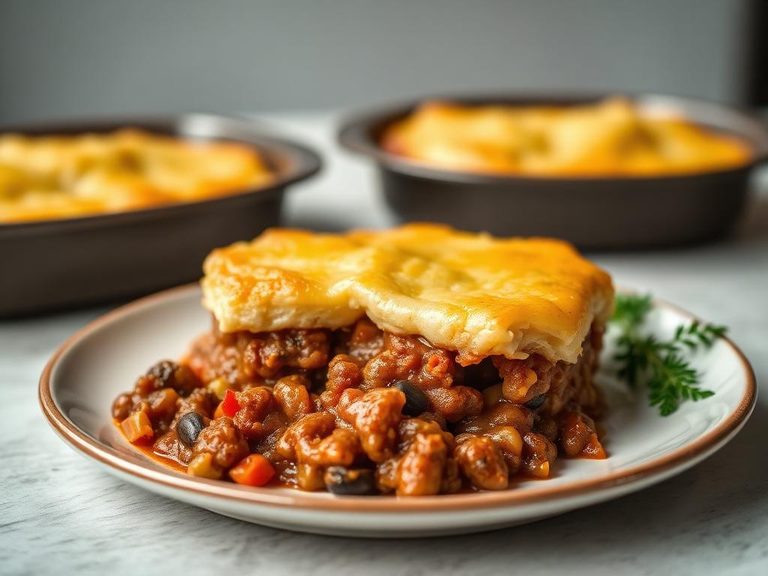
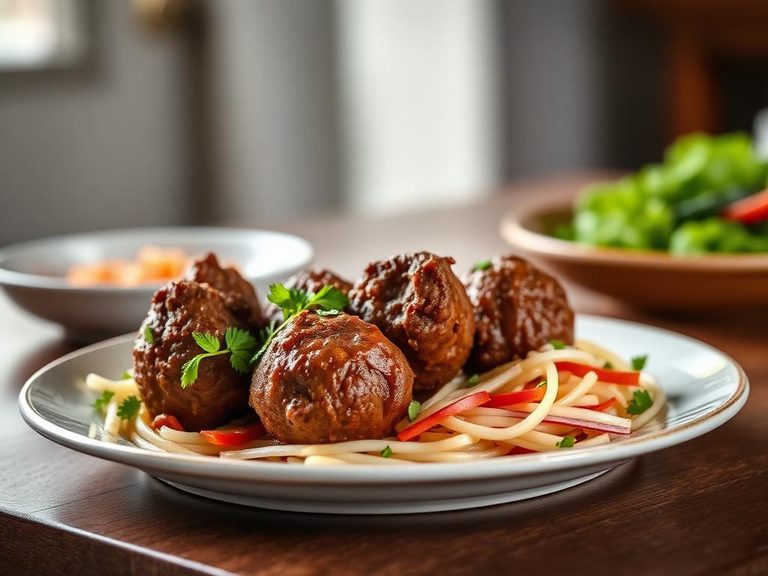
🌍 Where it's eaten
💡 Did you know?
The term 'arm' in lamb shoulder refers to the anatomical location, not a specific muscle, and it's one of the most exercised parts of the animal, which contributes to its deep flavor and lean composition.
Full nutrition (USDA data · scales with serving)
| Water | 74.0 g |
| Energy | 137 kcal |
| Energy | 573 kj |
| Protein | 19.9 g |
| Total lipid (fat) | 5.8 g |
| Ash | 0.95 g |
| Carbohydrate, by difference | 0.00 g |
| Calcium, Ca | 15.0 mg |
| Iron, Fe | 1.5 mg |
| Magnesium, Mg | 22.0 mg |
| Phosphorus, P | 193 mg |
| Potassium, K | 325 mg |
| Sodium, Na | 83.0 mg |
| Zinc, Zn | 4.2 mg |
| Copper, Cu | 0.14 mg |
| Manganese, Mn | 0.01 mg |
| Selenium, Se | 7.7 ug |
| Thiamin | 0.12 mg |
| Riboflavin | 0.24 mg |
| Niacin | 4.6 mg |
| Pantothenic acid | 0.79 mg |
| Vitamin B-6 | 0.30 mg |
| Vitamin B-12 | 3.0 ug |
Fat & fatty acid profile (per 100g)
| Fatty acids, total saturated | 2.3 g |
| SFA 12:0 | 0.01 g |
| SFA 14:0 | 0.18 g |
| SFA 15:0 | 0.03 g |
| SFA 16:0 | 1.2 g |
| SFA 17:0 | 0.07 g |
| SFA 18:0 | 0.85 g |
| Fatty acids, total monounsaturated | 2.4 g |
| MUFA 16:1 | 0.11 g |
| MUFA 18:1 | 2.2 g |
| MUFA 20:1 | 0.03 g |
| Fatty acids, total polyunsaturated | 0.27 g |
| PUFA 18:2 | 0.16 g |
| PUFA 18:3 | 0.08 g |
| PUFA 20:4 | 0.03 g |
| Cholesterol | 62.0 mg |
Amino acid profile (per 100g)
| Tryptophan | 0.23 g |
| Threonine | 0.85 g |
| Isoleucine | 0.96 g |
| Leucine | 1.5 g |
| Lysine | 1.8 g |
| Methionine | 0.51 g |
| Cystine | 0.24 g |
| Phenylalanine | 0.81 g |
| Tyrosine | 0.67 g |
| Valine | 1.1 g |
| Arginine | 1.2 g |
| Histidine | 0.63 g |
| Alanine | 1.2 g |
| Aspartic acid | 1.8 g |
| Glutamic acid | 2.9 g |
| Glycine | 0.97 g |
| Proline | 0.83 g |
| Serine | 0.74 g |
FAQ
What is the difference between lamb shoulder and lamb leg?
Lamb shoulder is a tougher, more flavorful cut with more connective tissue, making it ideal for slow cooking. Lamb leg is leaner and more tender, suitable for roasting or grilling.
How should I cook lamb shoulder arm to keep it tender?
Slow cooking methods like braising, stewing, or roasting at low temperatures are best. Marinating it beforehand can also help break down fibers and add moisture.
Is lamb shoulder a healthy choice?
Yes, it's a good source of protein, low in fat (especially when trimmed), and rich in essential vitamins and minerals like B12, zinc, and iron.
Nutrient density (calculated · NRF9.3)
Nutrient Rich Foods index: beneficial nutrients (protein, fiber, vitamins, minerals) minus saturated fat, added sugar & sodium, per 100 kcal.
NRF9.3 index — Fulgoni, Keast & Drewnowski, 2009. Computed from USDA nutrients.
Weight-loss friendliness (composite index)
Energy density 1.37 kcal/g · 58% calories from protein · 0.0 g fiber · 0.0 g sugar per 100 g.
Composite of energy density (Rolls et al., 1999), protein & fiber satiety, minus sugar. A calculated heuristic — ranks satiety-per-calorie, not a clinical measure.
Dietary load (calculated from USDA values)
Potential renal acid load. Positive = acid-forming, negative = alkaline-forming.
Sodium-to-potassium ratio: 0.26 (lower is better — aim for ≤ 1)
Sodium:potassium per WHO potassium guidance. Computed from USDA nutrients.