

Ketchup
Common food
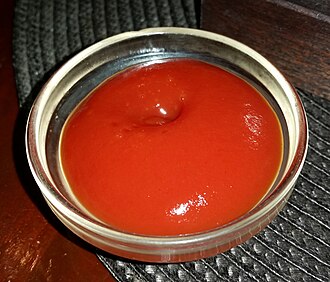
Photo: Wikipedia
Ketchup is a smooth, thick, and glossy condiment made primarily from tomatoes, vinegar, and sugar, delivering a vibrant sweet-and-sour punch. Its iconic bright red color and familiar tangy flavor make it a staple on tables worldwide. Nutritionally, it is a high-sugar, low-fat, low-protein addition, with over 21 grams of sugar per 100 grams.
Calorie split: 4% protein · 94% carbs · 2% fat
↓ Full nutrition💚 Why it's loved
People love ketchup for its uniquely balanced sweet, sour, and savory (umami) flavor profile that instantly elevates simple foods like fries and burgers. Its thick, clingy texture and universal familiarity make it a comforting, go-to condiment across cultures.
⚠️ Watch-outs & how to enjoy it better
Its very high sugar content (over 21g per 100g) can contribute to blood sugar spikes if used excessively. The sodium content can also be significant. To counteract this, practice strict portion control (e.g., a single tablespoon) and pair it with protein-rich foods like grilled chicken or fiber-dense vegetables to slow sugar absorption.
Key benefits
- Contains lycopene, an antioxidant linked to heart health.
- Adds significant flavor with minimal fat.
- Low in protein and fat, making it a light topping.
- A source of quick energy from its carbohydrate content.
- Provides a small amount of dietary fiber.
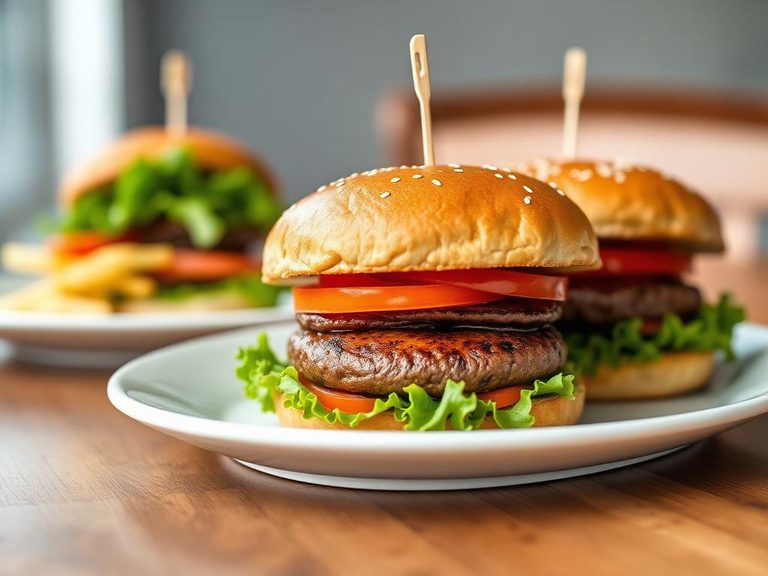
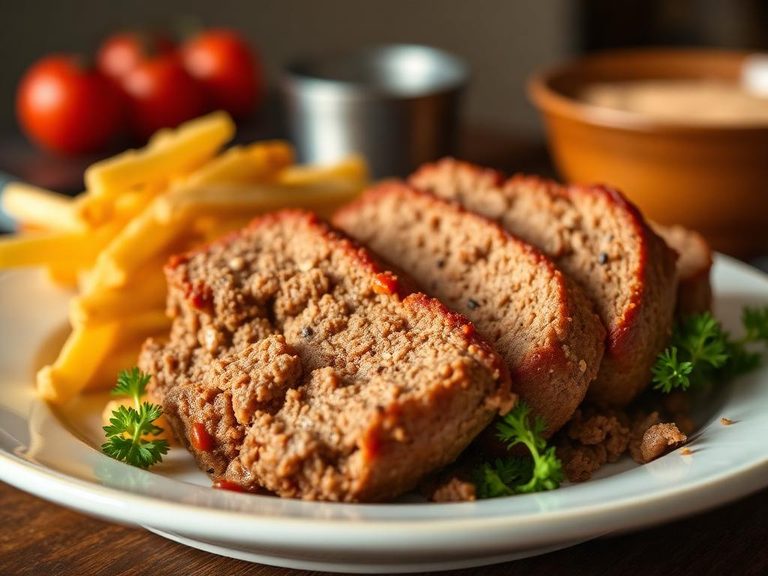
🍽️ Popular dishes




🌍 Where it's eaten
💡 Did you know?
The word 'ketchup' is believed to have originated from the Hokkien Chinese word 'kê-tsiap,' a fermented fish sauce that was a precursor to the modern tomato-based version.
Full nutrition (USDA data · scales with serving)
| Water | 68.5 g |
| Energy | 109 kcal |
| Protein | 1.1 g |
| Total lipid (fat) | 0.32 g |
| Carbohydrate, by difference | 27.1 g |
| Fiber, total dietary | 0.30 g |
| Total Sugars | 21.5 g |
| Calcium, Ca | 14.0 mg |
| Iron, Fe | 0.39 mg |
| Magnesium, Mg | 14.0 mg |
| Phosphorus, P | 26.0 mg |
| Potassium, K | 265 mg |
| Sodium, Na | 928 mg |
| Zinc, Zn | 0.16 mg |
| Copper, Cu | 0.08 mg |
| Selenium, Se | 0.70 ug |
| Vitamin C, total ascorbic acid | 4.1 mg |
| Thiamin | 0.01 mg |
| Riboflavin | 0.17 mg |
| Niacin | 1.4 mg |
| Vitamin B-6 | 0.16 mg |
| Folate, total | 9.0 ug |
| Folic acid | 0.00 ug |
| Folate, food | 9.0 ug |
| Folate, DFE | 9.0 ug |
| Choline, total | 12.5 mg |
| Vitamin B-12 | 0.00 ug |
| Vitamin B-12, added | 0.00 ug |
| Vitamin A, RAE | 26.0 ug |
| Retinol | 0.00 ug |
| Carotene, beta | 316 ug |
| Carotene, alpha | 0.00 ug |
| Cryptoxanthin, beta | 0.00 ug |
| Lycopene | 12062 ug |
| Lutein + zeaxanthin | 161 ug |
| Vitamin E (alpha-tocopherol) | 1.5 mg |
| Vitamin E, added | 0.00 mg |
| Vitamin D (D2 + D3) | 0.00 ug |
| Vitamin K (phylloquinone) | 3.0 ug |
| Alcohol, ethyl | 0.00 g |
| Caffeine | 0.00 mg |
| Theobromine | 0.00 mg |
Fat & fatty acid profile (per 100g)
| Fatty acids, total saturated | 0.01 g |
| SFA 4:0 | 0.00 g |
| SFA 6:0 | 0.00 g |
| SFA 8:0 | 0.00 g |
| SFA 10:0 | 0.00 g |
| SFA 12:0 | 0.00 g |
| SFA 14:0 | 0.00 g |
| SFA 16:0 | 0.01 g |
| SFA 18:0 | 0.00 g |
| Fatty acids, total monounsaturated | 0.01 g |
| MUFA 16:1 | 0.00 g |
| MUFA 18:1 | 0.01 g |
| MUFA 20:1 | 0.00 g |
| MUFA 22:1 | 0.00 g |
| Fatty acids, total polyunsaturated | 0.04 g |
| PUFA 18:2 | 0.04 g |
| PUFA 18:3 | 0.00 g |
| PUFA 18:4 | 0.00 g |
| PUFA 20:4 | 0.00 g |
| PUFA 20:5 n-3 (EPA) | 0.00 g |
| PUFA 22:5 n-3 (DPA) | 0.00 g |
| PUFA 22:6 n-3 (DHA) | 0.00 g |
| Cholesterol | 0.00 mg |
FAQ
Is ketchup made from real tomatoes?
Yes, traditional ketchup is made from ripe tomatoes, which are cooked down with sugar, vinegar, and spices. The tomatoes are the primary ingredient by weight.
Why is ketchup so hard to get out of the bottle?
Ketchup is a shear-thinning (or pseudoplastic) fluid. Its thick, gel-like structure breaks down under stress (like shaking or squeezing), allowing it to flow. When at rest, it thickens again.
Is ketchup gluten-free?
Most mainstream ketchup brands are gluten-free, as their core ingredients (tomatoes, vinegar, sugar, spices) do not contain gluten. However, always check labels for potential cross-contamination or added ingredients if you have celiac disease.
Nutrient density (calculated · NRF9.3)
Nutrient Rich Foods index: beneficial nutrients (protein, fiber, vitamins, minerals) minus saturated fat, added sugar & sodium, per 100 kcal.
NRF9.3 index — Fulgoni, Keast & Drewnowski, 2009. Computed from USDA nutrients.
Weight-loss friendliness (composite index)
Energy density 1.09 kcal/g · 4% calories from protein · 0.3 g fiber · 21.5 g sugar per 100 g.
Composite of energy density (Rolls et al., 1999), protein & fiber satiety, minus sugar. A calculated heuristic — ranks satiety-per-calorie, not a clinical measure.
Dietary load (calculated from USDA values)
Potential renal acid load. Positive = acid-forming, negative = alkaline-forming.
Sodium-to-potassium ratio: 3.50 (lower is better — aim for ≤ 1)
Sodium:potassium per WHO potassium guidance. Computed from USDA nutrients.