

Injera, Ethiopian bread
Common food

Photo: Wikipedia
Injera is the iconic, spongy, sourdough flatbread of Ethiopia and Eritrea, made from fermented teff flour. Its unique, slightly tangy flavor and porous, crepe-like texture make it both a staple food and an edible utensil, used to scoop up stews and salads. Nutritionally, it is a low-fat, high-fiber source of complex carbohydrates, offering sustained energy.
Calorie split: 11% protein · 83% carbs · 7% fat
↓ Full nutrition💚 Why it's loved
People love injera for its unique, pleasantly sour taste and its communal, hands-on role in Ethiopian dining, where it serves as both plate and utensil. Its soft, spongy texture perfectly soaks up the rich, spiced flavors of wots (stews), creating a harmonious bite.
⚠️ Watch-outs & how to enjoy it better
The high carbohydrate content can cause blood sugar spikes, especially for those with diabetes, and its fermentation can be too sour for some palates. To counteract this, pair it with protein-rich lentil or meat wots and healthy fats (like avocado or oil-based stews) to slow sugar absorption, and consider smaller portions or mixing with lower-carb sides.
Key benefits
- Rich in dietary fiber (2.8g per 100g) for digestive health.
- Low in fat (0.68g per 100g) and naturally cholesterol-free.
- Good source of complex carbohydrates for steady energy.
- Contains iron and calcium from teff flour, a nutrient-dense grain.
- Naturally gluten-free when made with 100% teff flour.
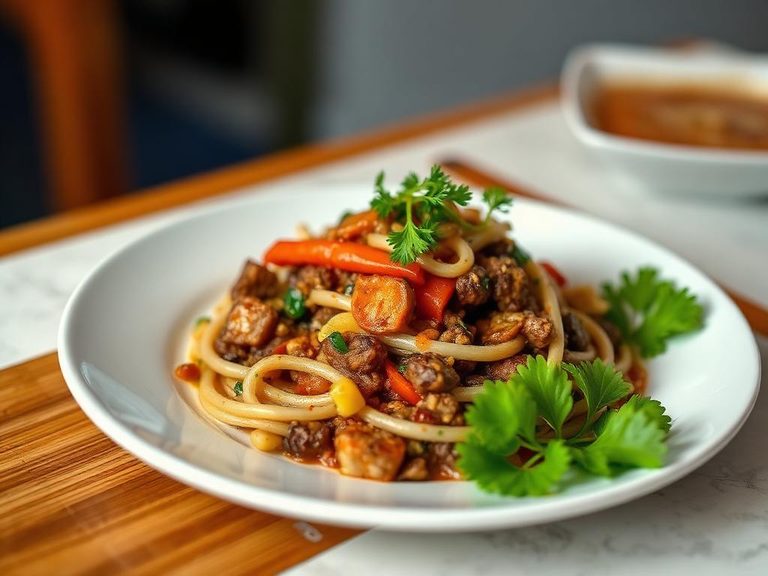
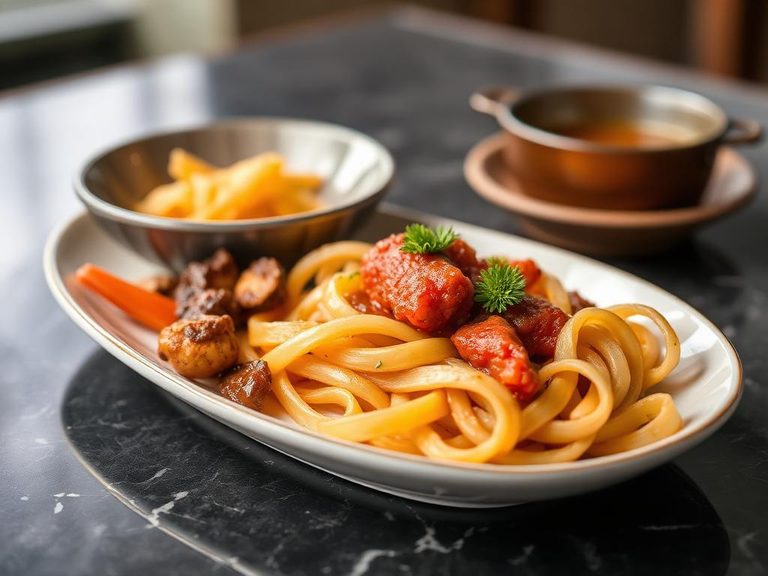
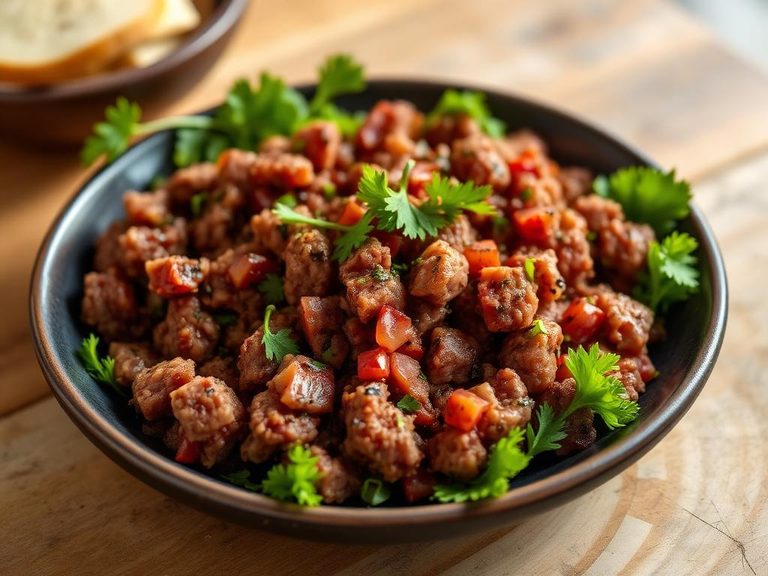
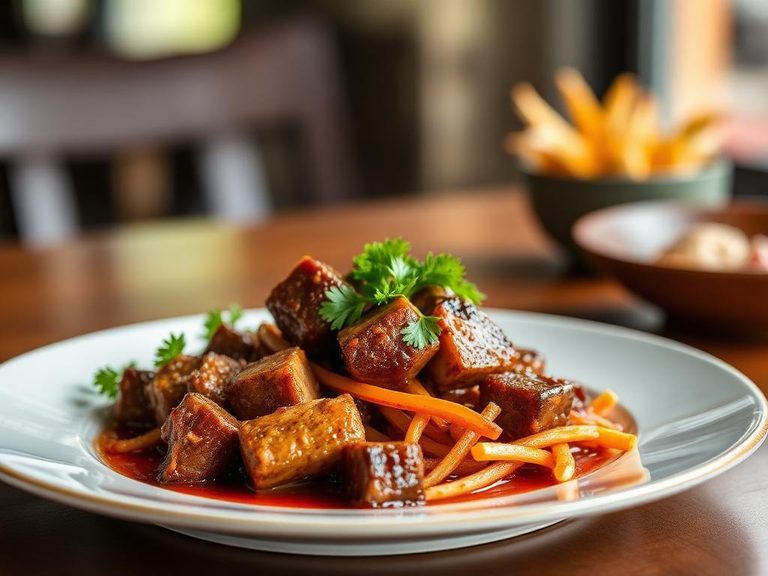
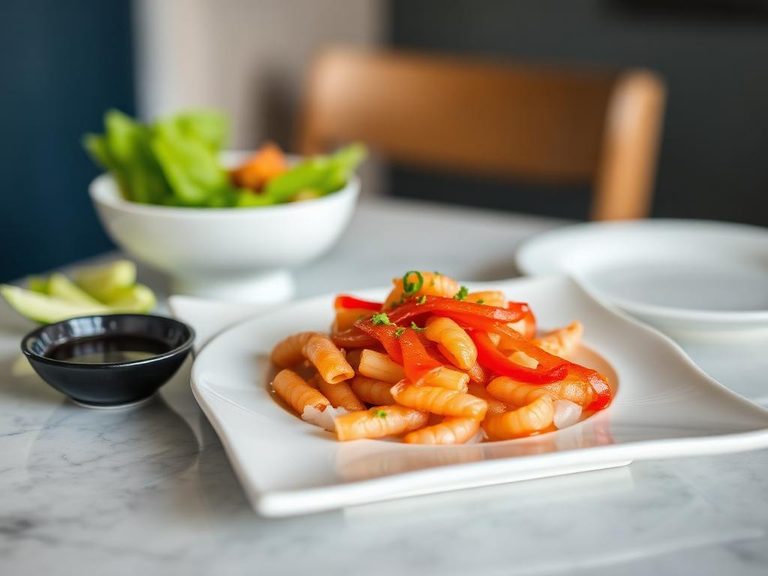
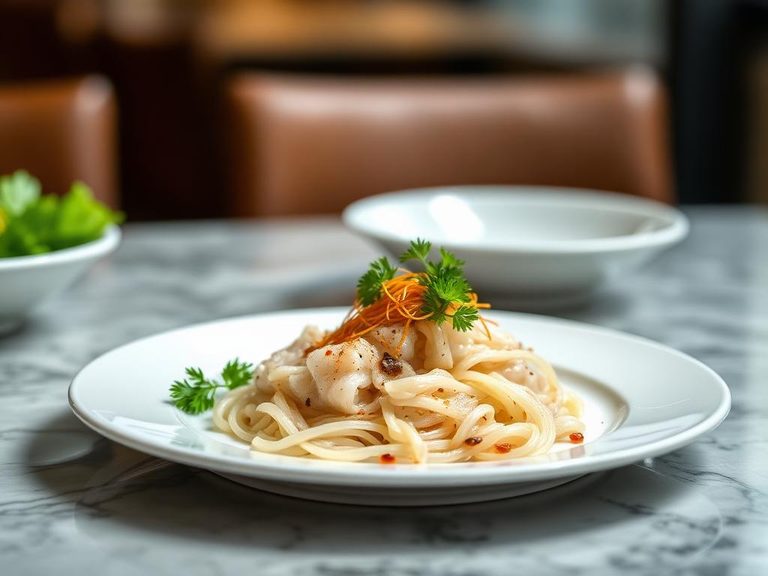
🍽️ Popular dishes
🌍 Where it's eaten
💡 Did you know?
Injera is traditionally made from teff, a tiny grain that is the world's smallest cultivated cereal and is native to the Ethiopian highlands, where it has been grown for thousands of years.
Full nutrition (USDA data · scales with serving)
| Water | 76.3 g |
| Energy | 93.0 kcal |
| Protein | 2.5 g |
| Total lipid (fat) | 0.68 g |
| Carbohydrate, by difference | 19.4 g |
| Fiber, total dietary | 2.8 g |
| Total Sugars | 1.0 g |
| Calcium, Ca | 11.0 mg |
| Iron, Fe | 0.98 mg |
| Magnesium, Mg | 43.0 mg |
| Phosphorus, P | 75.0 mg |
| Potassium, K | 102 mg |
| Sodium, Na | 226 mg |
| Zinc, Zn | 0.51 mg |
| Copper, Cu | 0.14 mg |
| Selenium, Se | 4.0 ug |
| Vitamin C, total ascorbic acid | 0.00 mg |
| Thiamin | 0.14 mg |
| Riboflavin | 0.07 mg |
| Niacin | 1.2 mg |
| Vitamin B-6 | 0.05 mg |
| Folate, total | 29.0 ug |
| Folic acid | 0.00 ug |
| Folate, food | 29.0 ug |
| Folate, DFE | 29.0 ug |
| Choline, total | 13.1 mg |
| Vitamin B-12 | 0.00 ug |
| Vitamin B-12, added | 0.00 ug |
| Vitamin A, RAE | 0.00 ug |
| Retinol | 0.00 ug |
| Carotene, beta | 0.00 ug |
| Carotene, alpha | 0.00 ug |
| Cryptoxanthin, beta | 0.00 ug |
| Lycopene | 0.00 ug |
| Lutein + zeaxanthin | 49.0 ug |
| Vitamin E (alpha-tocopherol) | 0.08 mg |
| Vitamin E, added | 0.00 mg |
| Vitamin D (D2 + D3) | 0.00 ug |
| Vitamin K (phylloquinone) | 1.7 ug |
| Alcohol, ethyl | 0.00 g |
| Caffeine | 0.00 mg |
| Theobromine | 0.00 mg |
Fat & fatty acid profile (per 100g)
| Fatty acids, total saturated | 0.18 g |
| SFA 4:0 | 0.00 g |
| SFA 6:0 | 0.00 g |
| SFA 8:0 | 0.01 g |
| SFA 10:0 | 0.00 g |
| SFA 12:0 | 0.00 g |
| SFA 14:0 | 0.01 g |
| SFA 16:0 | 0.11 g |
| SFA 18:0 | 0.01 g |
| Fatty acids, total monounsaturated | 0.27 g |
| MUFA 16:1 | 0.02 g |
| MUFA 18:1 | 0.24 g |
| MUFA 20:1 | 0.00 g |
| MUFA 22:1 | 0.00 g |
| Fatty acids, total polyunsaturated | 0.24 g |
| PUFA 18:2 | 0.22 g |
| PUFA 18:3 | 0.02 g |
| PUFA 18:4 | 0.00 g |
| PUFA 20:4 | 0.00 g |
| PUFA 20:5 n-3 (EPA) | 0.00 g |
| PUFA 22:5 n-3 (DPA) | 0.00 g |
| PUFA 22:6 n-3 (DHA) | 0.00 g |
| Cholesterol | 0.00 mg |
FAQ
Is injera gluten-free?
Yes, injera is naturally gluten-free when made from 100% teff flour. However, some modern recipes may blend it with wheat or barley flour, so it's best to check the ingredients if you have celiac disease or gluten sensitivity.
What gives injera its sour taste?
The sour taste comes from the natural fermentation of the teff batter, which is left to sit for several days, allowing wild yeasts and lactic acid bacteria to develop, similar to sourdough bread.
Can I make injera at home?
Yes, but it requires patience and practice. You need to ferment teff flour batter for 2-3 days, then cook it on a large, flat pan (mitad) to achieve the characteristic spongy texture and eyes (small holes).
Nutrient density (calculated · NRF9.3)
Nutrient Rich Foods index: beneficial nutrients (protein, fiber, vitamins, minerals) minus saturated fat, added sugar & sodium, per 100 kcal.
NRF9.3 index — Fulgoni, Keast & Drewnowski, 2009. Computed from USDA nutrients.
Weight-loss friendliness (composite index)
Energy density 0.93 kcal/g · 11% calories from protein · 2.8 g fiber · 1.0 g sugar per 100 g.
Composite of energy density (Rolls et al., 1999), protein & fiber satiety, minus sugar. A calculated heuristic — ranks satiety-per-calorie, not a clinical measure.
Dietary load (calculated from USDA values)
Potential renal acid load. Positive = acid-forming, negative = alkaline-forming.
Sodium-to-potassium ratio: 2.22 (lower is better — aim for ≤ 1)
Sodium:potassium per WHO potassium guidance. Computed from USDA nutrients.