

Infant formula, NESTLE, GOOD START SOY, with ARA and DHA, powder
Whole food · Baby Foods

Photo: Wikipedia
Nestlé GOOD START SOY is a gentle, plant-based infant formula powder designed for sensitive tummies, offering a smooth, easily digestible texture. It provides complete nutrition with added ARA and DHA for brain and eye development. The formula is soy-based, making it a dairy-free option for infants.
Calorie split: 10% protein · 44% carbs · 46% fat
↓ Full nutrition💚 Why it's loved
Parents appreciate it as a reliable, gentle option for babies with cow's milk protein allergy or lactose intolerance. Its smooth mixability and neutral, slightly sweet taste are often well-accepted by infants.
⚠️ Watch-outs & how to enjoy it better
Some may be cautious about phytoestrogens in soy-based formulas, though they are considered safe for infants. Always consult a pediatrician before use, especially for premature infants or those with specific health conditions.
Key benefits
- Dairy-free and lactose-free for sensitive digestion
- Contains ARA and DHA for cognitive development
- Soy protein provides a complete amino acid profile
- Gentle on the stomach for fussiness or gas
- Fortified with essential vitamins and minerals
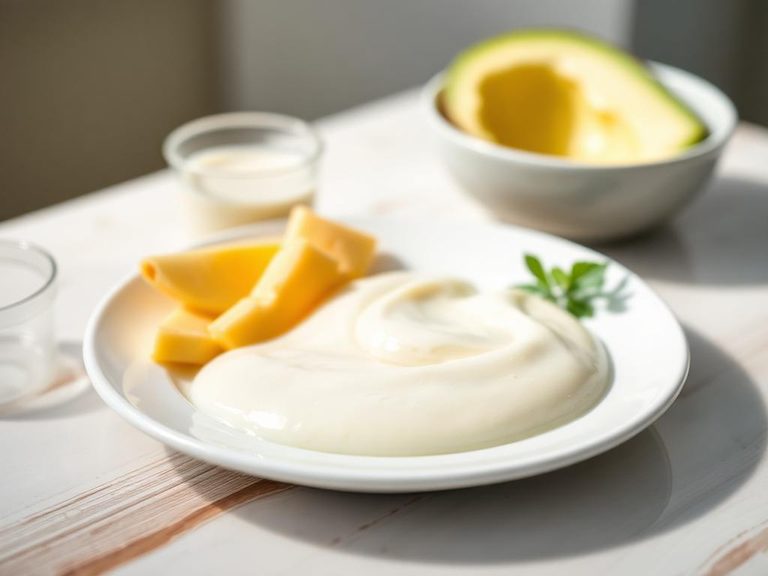
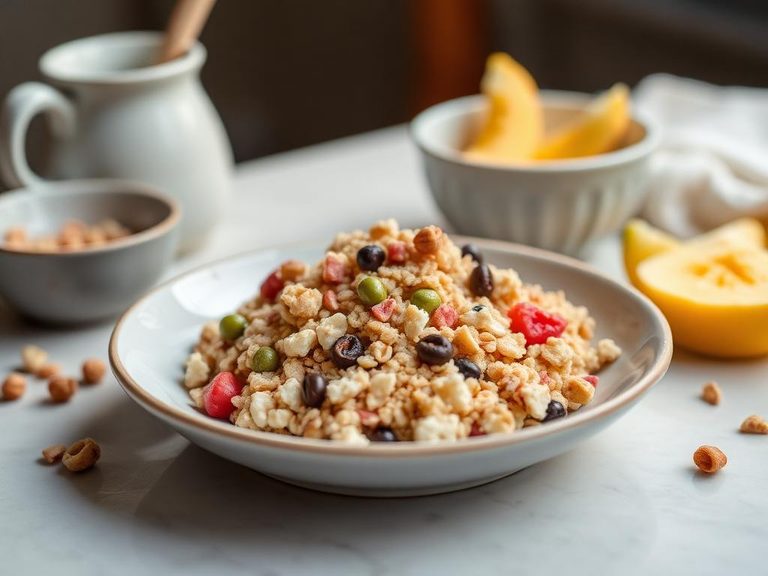
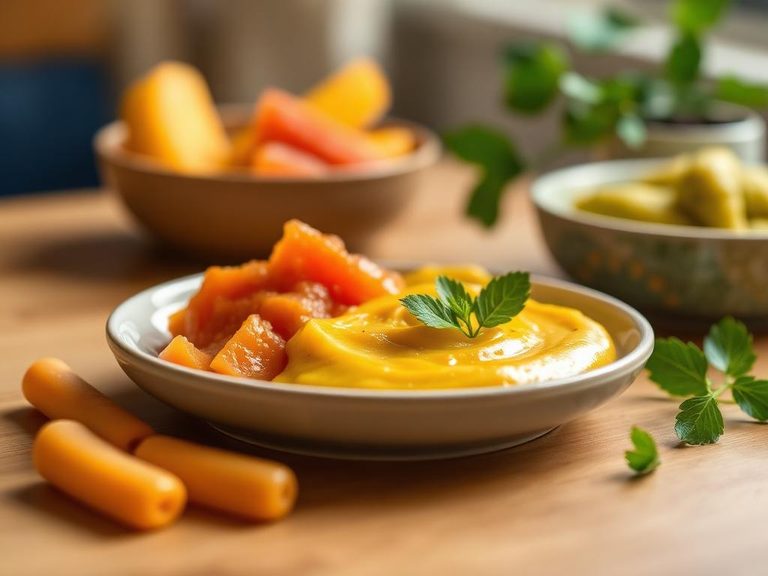
🍽️ Popular dishes
🌍 Where it's eaten
💡 Did you know?
GOOD START SOY uses a unique protein blend that is partially hydrolyzed, meaning the proteins are broken down into smaller pieces to make them easier for tiny digestive systems to handle.
Full nutrition (USDA data · scales with serving)
| Water | 2.5 g |
| Energy | 503 kcal |
| Energy | 2104 kj |
| Protein | 12.5 g |
| Total lipid (fat) | 25.6 g |
| Ash | 3.8 g |
| Carbohydrate, by difference | 55.6 g |
| Fiber, total dietary | 0.00 g |
| Total Sugars | 44.4 g |
| Calcium, Ca | 526 mg |
| Iron, Fe | 9.0 mg |
| Magnesium, Mg | 55.0 mg |
| Phosphorus, P | 316 mg |
| Potassium, K | 581 mg |
| Sodium, Na | 200 mg |
| Zinc, Zn | 4.5 mg |
| Copper, Cu | 0.40 mg |
| Selenium, Se | 15.0 ug |
| Vitamin C, total ascorbic acid | 60.1 mg |
| Thiamin | 0.30 mg |
| Riboflavin | 0.47 mg |
| Niacin | 6.8 mg |
| Vitamin B-6 | 0.30 mg |
| Folate, total | 80.0 ug |
| Folic acid | 80.0 ug |
| Folate, food | 0.00 ug |
| Folate, DFE | 136 ug |
| Choline, total | 60.0 mg |
| Vitamin B-12 | 1.5 ug |
| Vitamin B-12, added | 1.5 ug |
| Vitamin A, RAE | 451 ug |
| Retinol | 451 ug |
| Carotene, beta | 0.00 ug |
| Carotene, alpha | 0.00 ug |
| Cryptoxanthin, beta | 0.00 ug |
| Vitamin A, IU | 1503 iu |
| Lycopene | 0.00 ug |
| Lutein + zeaxanthin | 0.00 ug |
| Vitamin E (alpha-tocopherol) | 7.3 mg |
| Vitamin E, added | 7.3 mg |
| Vitamin D (D2 + D3), International Units | 301 iu |
| Vitamin D (D2 + D3) | 7.5 ug |
| Vitamin K (phylloquinone) | 45.1 ug |
| Alcohol, ethyl | 0.00 g |
| Caffeine | 0.00 mg |
| Theobromine | 0.00 mg |
Fat & fatty acid profile (per 100g)
| Fatty acids, total saturated | 11.0 g |
| SFA 4:0 | 0.00 g |
| SFA 6:0 | 0.03 g |
| SFA 8:0 | 0.40 g |
| SFA 10:0 | 0.30 g |
| SFA 12:0 | 2.4 g |
| SFA 14:0 | 1.0 g |
| SFA 16:0 | 5.8 g |
| SFA 18:0 | 1.0 g |
| Fatty acids, total monounsaturated | 8.1 g |
| MUFA 16:1 | 0.05 g |
| MUFA 18:1 | 7.9 g |
| MUFA 20:1 | 0.04 g |
| MUFA 22:1 | 0.01 g |
| Fatty acids, total polyunsaturated | 6.0 g |
| PUFA 18:2 | 4.7 g |
| PUFA 18:3 | 0.50 g |
| PUFA 18:4 | 0.00 g |
| PUFA 20:4 | 0.17 g |
| PUFA 20:5 n-3 (EPA) | 0.00 g |
| PUFA 22:5 n-3 (DPA) | 0.00 g |
| PUFA 22:6 n-3 (DHA) | 0.09 g |
| Cholesterol | 6.0 mg |
FAQ
Is this formula suitable for newborns?
Yes, it is designed for infants from birth onward, but always consult your pediatrician to ensure it's the right choice for your baby's specific needs.
How does it differ from cow's milk-based formulas?
It uses soy protein isolate instead of cow's milk, making it lactose-free and suitable for babies with cow's milk protein allergy or lactose intolerance.
Does it contain DHA and ARA?
Yes, it is fortified with both DHA and ARA, which are important fatty acids for brain and visual development.
Nutrient density (calculated · NRF9.3)
Nutrient Rich Foods index: beneficial nutrients (protein, fiber, vitamins, minerals) minus saturated fat, added sugar & sodium, per 100 kcal.
NRF9.3 index — Fulgoni, Keast & Drewnowski, 2009. Computed from USDA nutrients.
Weight-loss friendliness (composite index)
Energy density 5.03 kcal/g · 10% calories from protein · 0.0 g fiber · 44.4 g sugar per 100 g.
Composite of energy density (Rolls et al., 1999), protein & fiber satiety, minus sugar. A calculated heuristic — ranks satiety-per-calorie, not a clinical measure.
Dietary load (calculated from USDA values)
Potential renal acid load. Positive = acid-forming, negative = alkaline-forming.
Sodium-to-potassium ratio: 0.34 (lower is better — aim for ≤ 1)
Sodium:potassium per WHO potassium guidance. Computed from USDA nutrients.