

Guava paste
Common food

Photo: Wikipedia
Guava paste, or goiabada, is a dense, ruby-red confection made from guava pulp and sugar, cooked down into a firm, sliceable block with a jammy, intensely fruity flavor. Its texture is smooth yet slightly grainy, offering a concentrated burst of tropical sweetness. Nutritionally, it is almost entirely carbohydrate, with over 70g of sugar per 100g, providing quick energy but little else.
Calorie split: 0% protein · 99% carbs · 1% fat
↓ Full nutrition💚 Why it's loved
People adore its intense, sweet-tart guava flavor that transforms simple dishes. It's cherished for its cultural significance in Latin American and Portuguese cuisines, often serving as a nostalgic taste of home.
⚠️ Watch-outs & how to enjoy it better
Its extremely high sugar content can cause rapid blood-sugar spikes, making it unsuitable for diabetics or those monitoring sugar intake. To mitigate this, consume very small portions (e.g., a 1cm slice) and pair it with a source of protein or fat, like cheese, to slow sugar absorption.
Key benefits
- High in vitamin C from guava pulp
- Provides quick energy from natural sugars
- Contains dietary fiber for digestion
- Long shelf life as a preserved food
- Traditional source of antioxidants
🍽️ Popular dishes
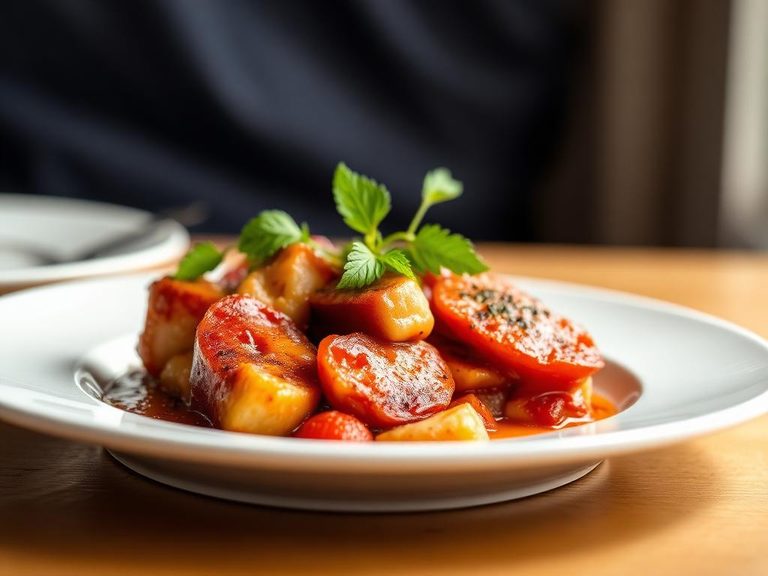
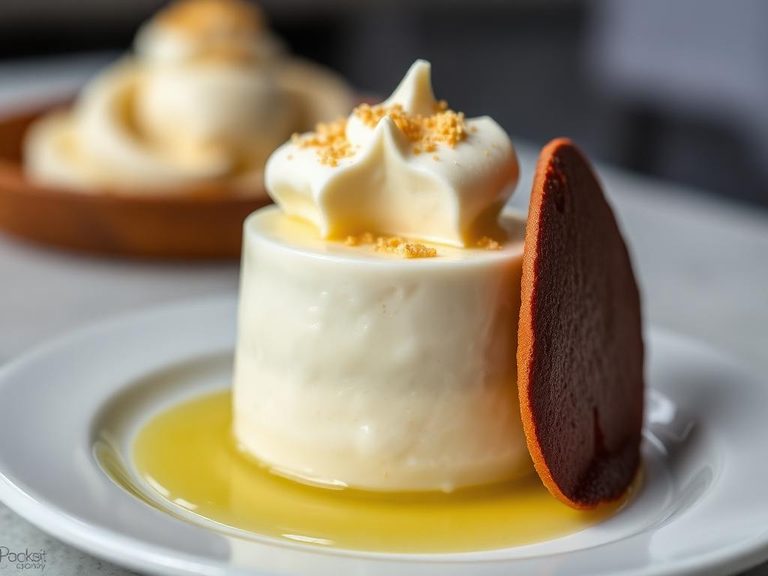
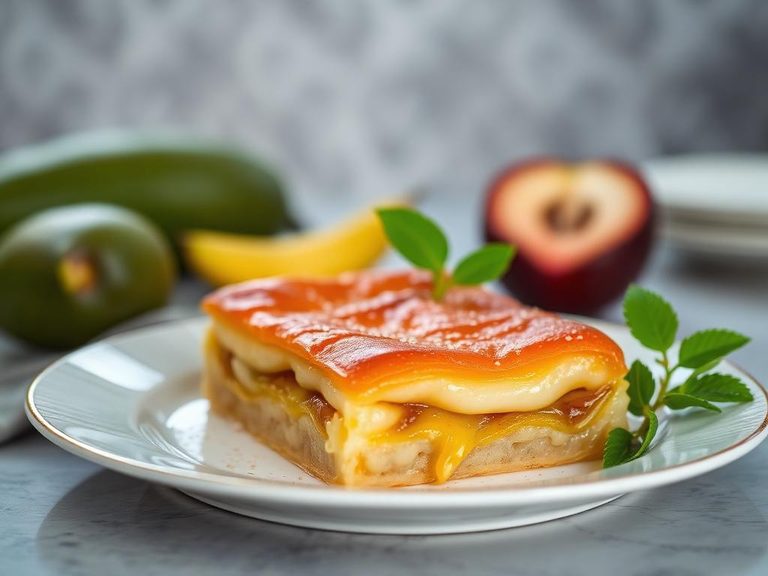
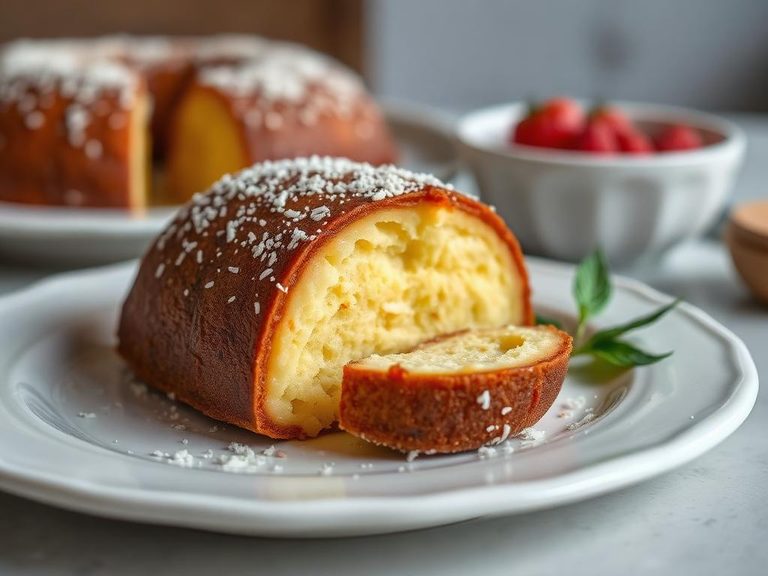
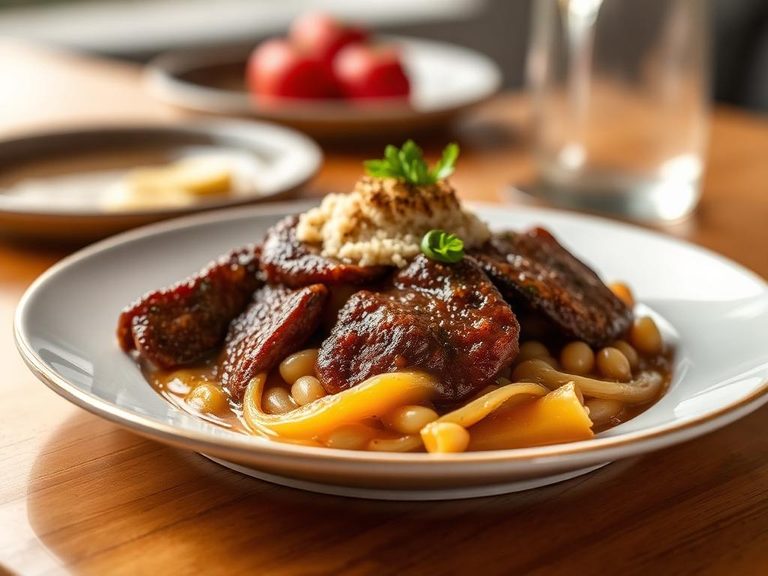
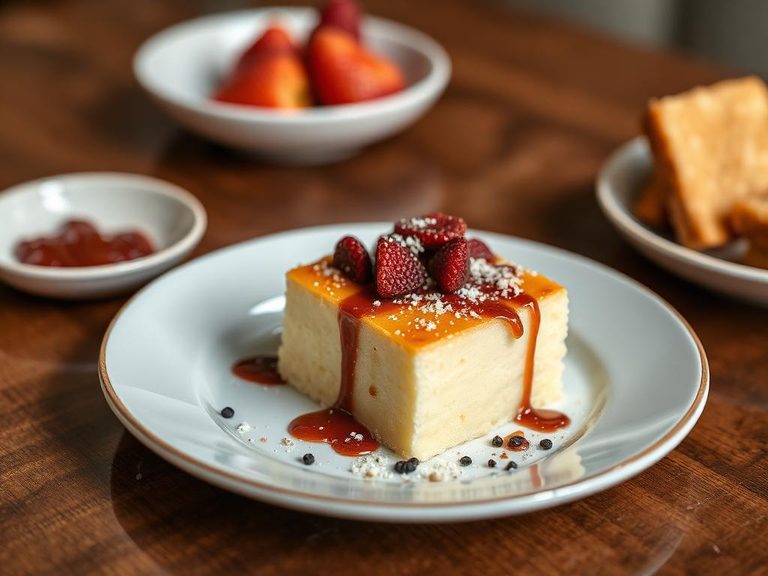
🌍 Where it's eaten
💡 Did you know?
The classic Brazilian pairing 'Romeu e Julieta' (Romeo and Juliet) gets its name because the sweet guava paste and salty white cheese are considered a perfect, inseparable match.
Full nutrition (USDA data · scales with serving)
| Water | 26.9 g |
| Energy | 292 kcal |
| Protein | 0.10 g |
| Total lipid (fat) | 0.27 g |
| Carbohydrate, by difference | 72.6 g |
| Fiber, total dietary | 1.1 g |
| Total Sugars | 71.6 g |
| Calcium, Ca | 3.0 mg |
| Iron, Fe | 0.09 mg |
| Magnesium, Mg | 2.0 mg |
| Phosphorus, P | 3.0 mg |
| Potassium, K | 69.0 mg |
| Sodium, Na | 2.0 mg |
| Zinc, Zn | 0.06 mg |
| Copper, Cu | 0.03 mg |
| Selenium, Se | 0.60 ug |
| Vitamin C, total ascorbic acid | 43.9 mg |
| Thiamin | 0.01 mg |
| Riboflavin | 0.02 mg |
| Niacin | 0.13 mg |
| Vitamin B-6 | 0.03 mg |
| Folate, total | 2.0 ug |
| Folic acid | 0.00 ug |
| Folate, food | 2.0 ug |
| Folate, DFE | 2.0 ug |
| Choline, total | 1.2 mg |
| Vitamin B-12 | 0.00 ug |
| Vitamin B-12, added | 0.00 ug |
| Vitamin A, RAE | 4.0 ug |
| Retinol | 0.00 ug |
| Carotene, beta | 51.0 ug |
| Carotene, alpha | 0.00 ug |
| Cryptoxanthin, beta | 0.00 ug |
| Lycopene | 1173 ug |
| Lutein + zeaxanthin | 0.00 ug |
| Vitamin E (alpha-tocopherol) | 0.16 mg |
| Vitamin E, added | 0.00 mg |
| Vitamin D (D2 + D3) | 0.00 ug |
| Vitamin K (phylloquinone) | 0.60 ug |
| Alcohol, ethyl | 0.00 g |
| Caffeine | 0.00 mg |
| Theobromine | 0.00 mg |
Fat & fatty acid profile (per 100g)
| Fatty acids, total saturated | 0.01 g |
| SFA 4:0 | 0.00 g |
| SFA 6:0 | 0.00 g |
| SFA 8:0 | 0.00 g |
| SFA 10:0 | 0.00 g |
| SFA 12:0 | 0.00 g |
| SFA 14:0 | 0.00 g |
| SFA 16:0 | 0.01 g |
| SFA 18:0 | 0.00 g |
| Fatty acids, total monounsaturated | 0.00 g |
| MUFA 16:1 | 0.00 g |
| MUFA 18:1 | 0.00 g |
| MUFA 20:1 | 0.00 g |
| MUFA 22:1 | 0.00 g |
| Fatty acids, total polyunsaturated | 0.02 g |
| PUFA 18:2 | 0.01 g |
| PUFA 18:3 | 0.01 g |
| PUFA 18:4 | 0.00 g |
| PUFA 20:4 | 0.00 g |
| PUFA 20:5 n-3 (EPA) | 0.00 g |
| PUFA 22:5 n-3 (DPA) | 0.00 g |
| PUFA 22:6 n-3 (DHA) | 0.00 g |
| Cholesterol | 0.00 mg |
FAQ
What is the difference between guava paste and guava jam?
Guava paste (goiabada) is cooked much longer with more sugar until it becomes a very firm, sliceable solid. Guava jam is softer, spreadable, and has a higher fruit-to-sugar ratio.
How should I store guava paste?
Once opened, wrap the cut surface tightly with plastic wrap and store it in an airtight container in the refrigerator, where it will keep for several weeks. It can also be frozen for months.
Can I use guava paste in savory dishes?
Yes, its sweet-tart flavor pairs excellently with salty or savory elements. It's often melted into glazes for pork or chicken, or served alongside cheeses and cured meats on a charcuterie board.
Nutrient density (calculated · NRF9.3)
Nutrient Rich Foods index: beneficial nutrients (protein, fiber, vitamins, minerals) minus saturated fat, added sugar & sodium, per 100 kcal.
NRF9.3 index — Fulgoni, Keast & Drewnowski, 2009. Computed from USDA nutrients.
Weight-loss friendliness (composite index)
Energy density 2.92 kcal/g · 0% calories from protein · 1.1 g fiber · 71.6 g sugar per 100 g.
Composite of energy density (Rolls et al., 1999), protein & fiber satiety, minus sugar. A calculated heuristic — ranks satiety-per-calorie, not a clinical measure.
Dietary load (calculated from USDA values)
Potential renal acid load. Positive = acid-forming, negative = alkaline-forming.
Sodium-to-potassium ratio: 0.03 (lower is better — aim for ≤ 1)
Sodium:potassium per WHO potassium guidance. Computed from USDA nutrients.