

Fruit and vegetable smoothie, no dairy
Common food

Photo: Wikipedia
A vibrant, blended drink of pureed fruits and vegetables, offering a smooth, refreshing texture and a naturally sweet, earthy flavor profile. With just 63 kcal per 100g, it's a low-calorie, hydrating option packed with vitamins and natural sugars for a quick energy lift.
Calorie split: 7% protein · 88% carbs · 5% fat
↓ Full nutrition💚 Why it's loved
People love it for its refreshing, customizable nature—it's a delicious way to consume multiple servings of produce in one glass, fitting perfectly into busy, health-conscious lifestyles and modern wellness culture.
⚠️ Watch-outs & how to enjoy it better
The high natural sugar content can cause blood-sugar spikes, especially for those with diabetes or insulin resistance. To counteract, pair the smoothie with a source of protein (like nuts or seeds) or healthy fat (like avocado) to slow sugar absorption and improve satiety.
Key benefits
- Excellent source of vitamins and antioxidants from whole produce
- Naturally hydrating with high water content from fruits/vegetables
- Low in fat and calories, supporting weight management goals
- Provides quick, natural energy from fruit sugars
- Can increase daily intake of fruits and vegetables
🍽️ Popular dishes
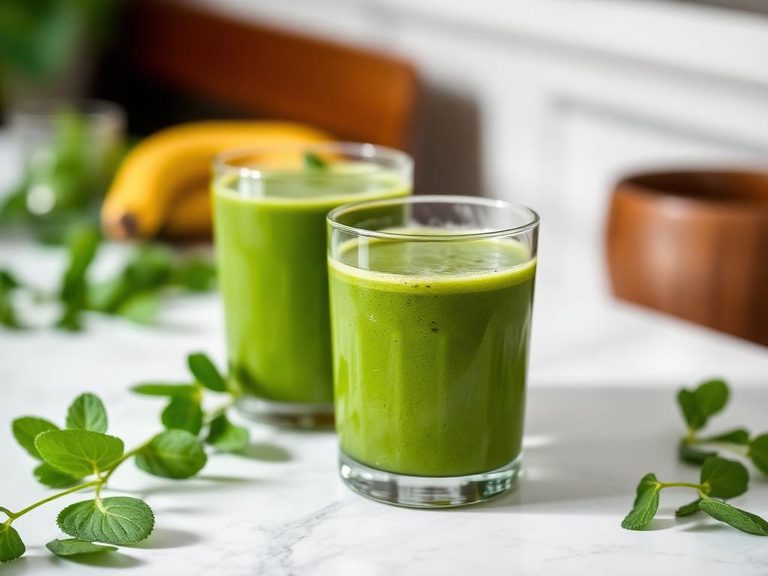
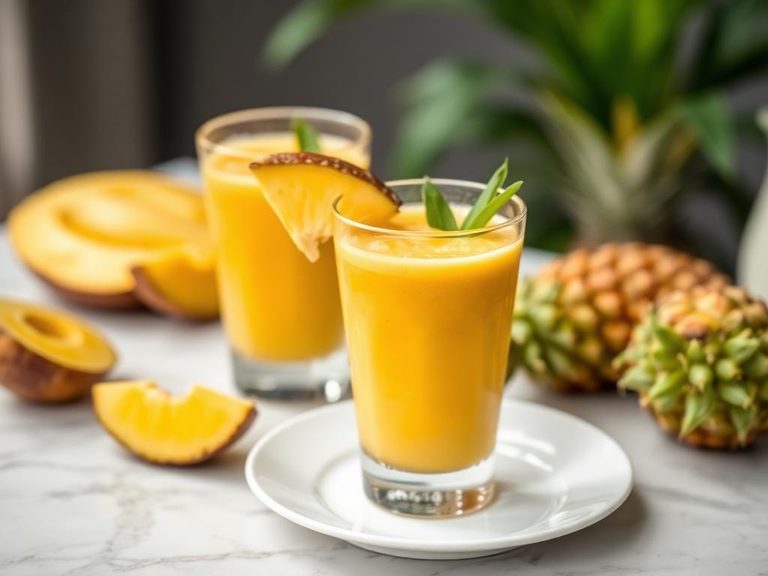


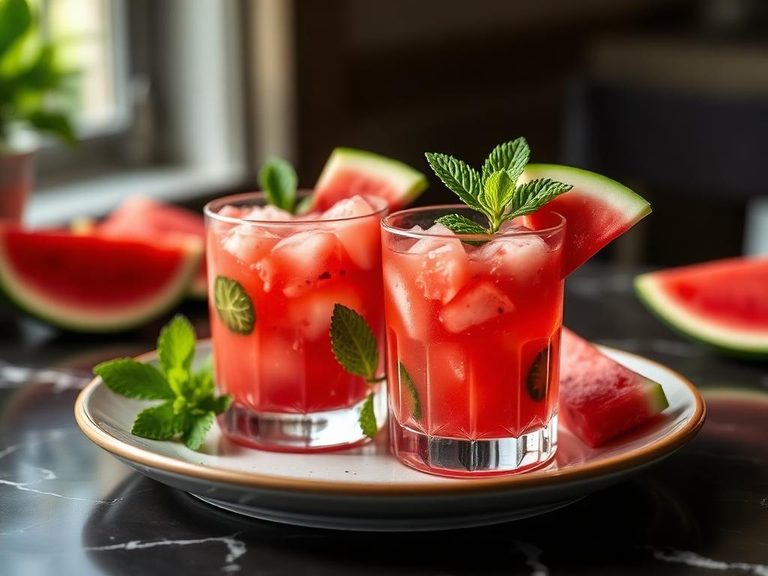
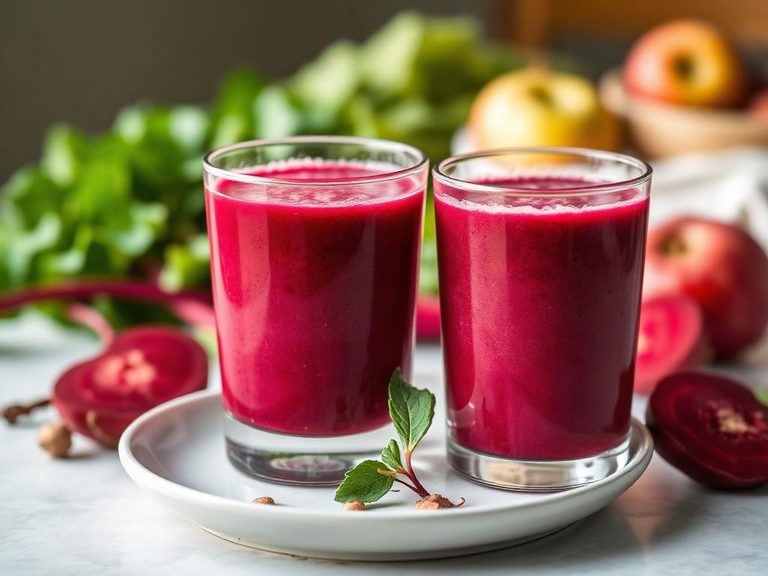
🌍 Where it's eaten
💡 Did you know?
The term 'smoothie' became popular in the U.S. during the 1960s health food movement, but the concept of blended fruit drinks dates back to 1930s Brazil, where vendors sold 'vitaminizer' drinks made from tropical fruits.
Full nutrition (USDA data · scales with serving)
| Water | 84.1 g |
| Energy | 63.0 kcal |
| Protein | 1.1 g |
| Total lipid (fat) | 0.37 g |
| Carbohydrate, by difference | 13.8 g |
| Fiber, total dietary | 1.0 g |
| Total Sugars | 9.8 g |
| Calcium, Ca | 39.0 mg |
| Iron, Fe | 0.23 mg |
| Magnesium, Mg | 30.0 mg |
| Phosphorus, P | 23.0 mg |
| Potassium, K | 300 mg |
| Sodium, Na | 19.0 mg |
| Zinc, Zn | 0.15 mg |
| Copper, Cu | 0.07 mg |
| Selenium, Se | 0.00 ug |
| Vitamin C, total ascorbic acid | 22.1 mg |
| Thiamin | 0.07 mg |
| Riboflavin | 0.05 mg |
| Niacin | 0.35 mg |
| Vitamin B-6 | 0.13 mg |
| Folate, total | 37.0 ug |
| Folic acid | 0.00 ug |
| Folate, food | 37.0 ug |
| Folate, DFE | 37.0 ug |
| Choline, total | 9.7 mg |
| Vitamin B-12 | 0.00 ug |
| Vitamin B-12, added | 0.00 ug |
| Vitamin A, RAE | 47.0 ug |
| Retinol | 0.00 ug |
| Carotene, beta | 552 ug |
| Carotene, alpha | 6.0 ug |
| Cryptoxanthin, beta | 12.0 ug |
| Lycopene | 0.00 ug |
| Lutein + zeaxanthin | 986 ug |
| Vitamin E (alpha-tocopherol) | 0.46 mg |
| Vitamin E, added | 0.00 mg |
| Vitamin D (D2 + D3) | 0.20 ug |
| Vitamin K (phylloquinone) | 77.4 ug |
| Alcohol, ethyl | 0.00 g |
| Caffeine | 0.00 mg |
| Theobromine | 0.00 mg |
Fat & fatty acid profile (per 100g)
| Fatty acids, total saturated | 0.06 g |
| SFA 4:0 | 0.00 g |
| SFA 6:0 | 0.00 g |
| SFA 8:0 | 0.00 g |
| SFA 10:0 | 0.00 g |
| SFA 12:0 | 0.00 g |
| SFA 14:0 | 0.00 g |
| SFA 16:0 | 0.05 g |
| SFA 18:0 | 0.00 g |
| Fatty acids, total monounsaturated | 0.02 g |
| MUFA 16:1 | 0.01 g |
| MUFA 18:1 | 0.02 g |
| MUFA 20:1 | 0.00 g |
| MUFA 22:1 | 0.00 g |
| Fatty acids, total polyunsaturated | 0.07 g |
| PUFA 18:2 | 0.03 g |
| PUFA 18:3 | 0.04 g |
| PUFA 18:4 | 0.00 g |
| PUFA 20:4 | 0.00 g |
| PUFA 20:5 n-3 (EPA) | 0.00 g |
| PUFA 22:5 n-3 (DPA) | 0.00 g |
| PUFA 22:6 n-3 (DHA) | 0.00 g |
| Cholesterol | 0.00 mg |
FAQ
Is a fruit and vegetable smoothie a meal replacement?
While nutritious, this specific smoothie is very low in protein (1.09g) and fat (0.37g), making it a poor standalone meal replacement. It's best used as a snack or supplement, not a full meal.
Can I make this smoothie ahead of time?
Yes, but it's best consumed fresh. If stored, keep it in an airtight container in the fridge for up to 24 hours. Separation is natural; just shake well before drinking.
How can I make it more filling?
Add a scoop of protein powder, a tablespoon of nut butter, a handful of oats, or some Greek yogurt (if not strictly dairy-free) to boost protein and healthy fats, increasing satiety.
Nutrient density (calculated · NRF9.3)
Nutrient Rich Foods index: beneficial nutrients (protein, fiber, vitamins, minerals) minus saturated fat, added sugar & sodium, per 100 kcal.
NRF9.3 index — Fulgoni, Keast & Drewnowski, 2009. Computed from USDA nutrients.
Weight-loss friendliness (composite index)
Energy density 0.63 kcal/g · 7% calories from protein · 1.0 g fiber · 9.8 g sugar per 100 g.
Composite of energy density (Rolls et al., 1999), protein & fiber satiety, minus sugar. A calculated heuristic — ranks satiety-per-calorie, not a clinical measure.
Dietary load (calculated from USDA values)
Potential renal acid load. Positive = acid-forming, negative = alkaline-forming.
Sodium-to-potassium ratio: 0.06 (lower is better — aim for ≤ 1)
Sodium:potassium per WHO potassium guidance. Computed from USDA nutrients.