

Fennel bulb, cooked
Common food

Photo: Wikipedia
Cooked fennel bulb transforms from a crisp, anise-scented vegetable into a tender, golden-hued delight with a mellow, sweet flavor reminiscent of licorice and celery. Its silky texture and delicate, aromatic profile make it a versatile base for soups, braises, and side dishes. Nutritionally, it's a low-calorie, high-fiber choice that provides a good source of vitamin C and potassium.
Calorie split: 8% protein · 49% carbs · 43% fat
↓ Full nutrition💚 Why it's loved
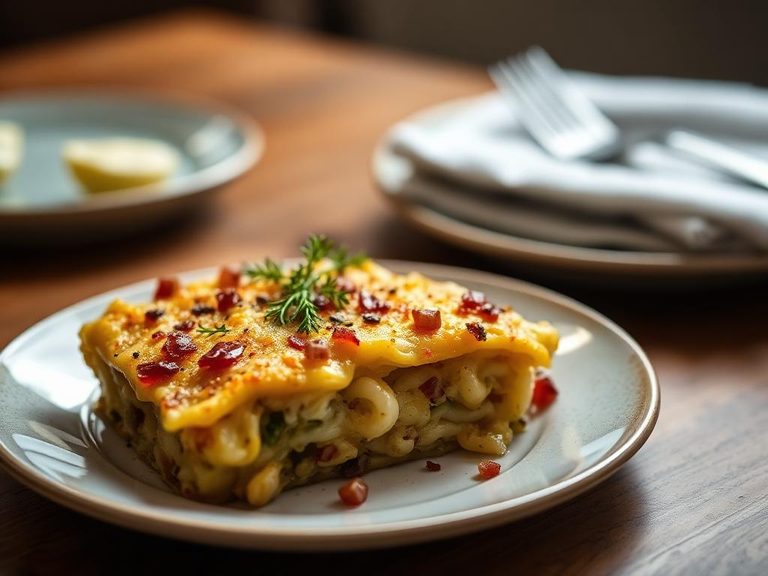
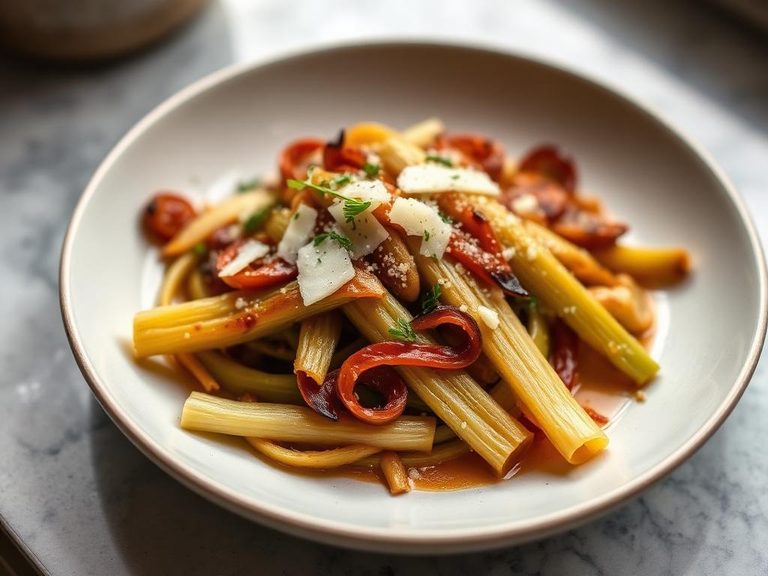
People adore fennel for its unique, sweet licorice-like flavor that deepens and mellows beautifully when cooked, becoming almost buttery. Its remarkable versatility allows it to star in everything from rustic Italian gratins to elegant French braises, making it a beloved ingredient across Mediterranean cuisines.
⚠️ Watch-outs & how to enjoy it better
The distinctive anise flavor, while beloved by many, is polarizing and can be off-putting to those sensitive to licorice notes. For individuals monitoring carbohydrate intake, its natural sugars (4.48g per 100g) can contribute to blood sugar rises if consumed in large quantities without balancing nutrients. To counteract this, pair cooked fennel with a protein source like white beans or fish, and a healthy fat like olive oil to slow sugar absorption and create a more balanced meal.
Key benefits
- Rich in dietary fiber (3.5g per 100g), supporting digestive health.
- Excellent source of vitamin C, an antioxidant important for immune function.
- Good source of potassium, which helps maintain healthy blood pressure.
- Low in calories (62 kcal per 100g), making it suitable for weight management.
- Contains unique phytonutrients like anethole, studied for its anti-inflammatory properties.
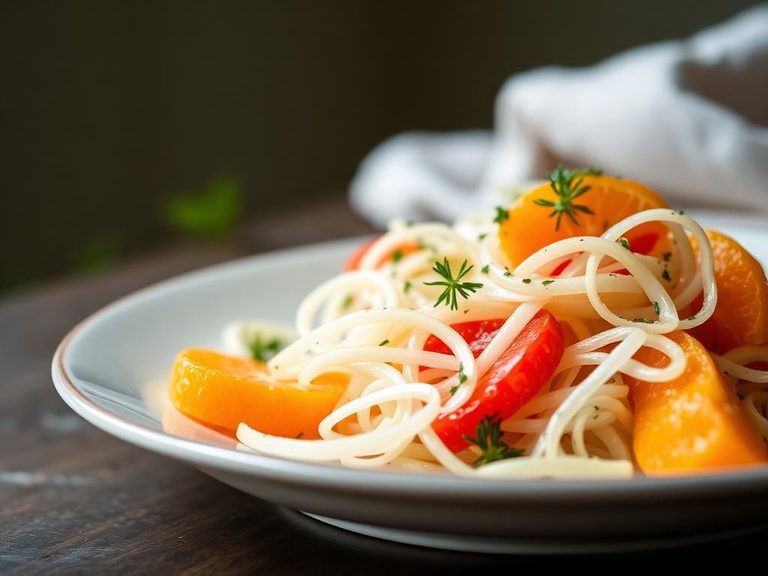
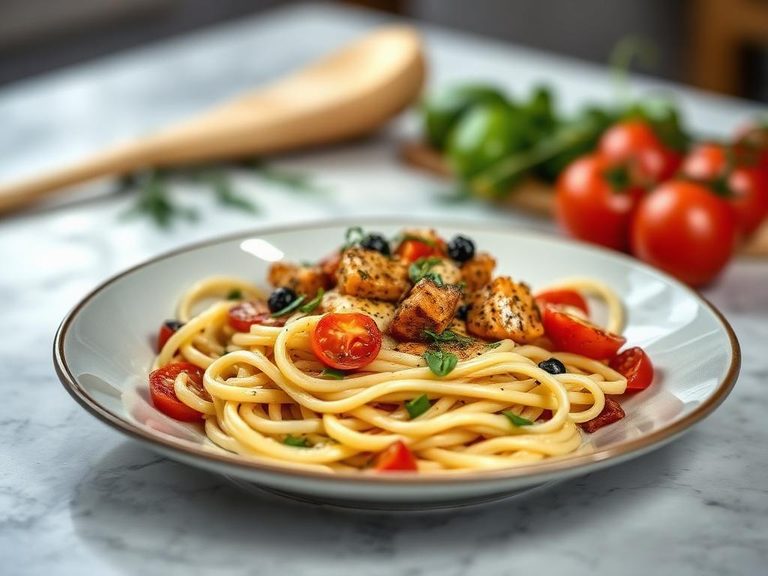
🍽️ Popular dishes
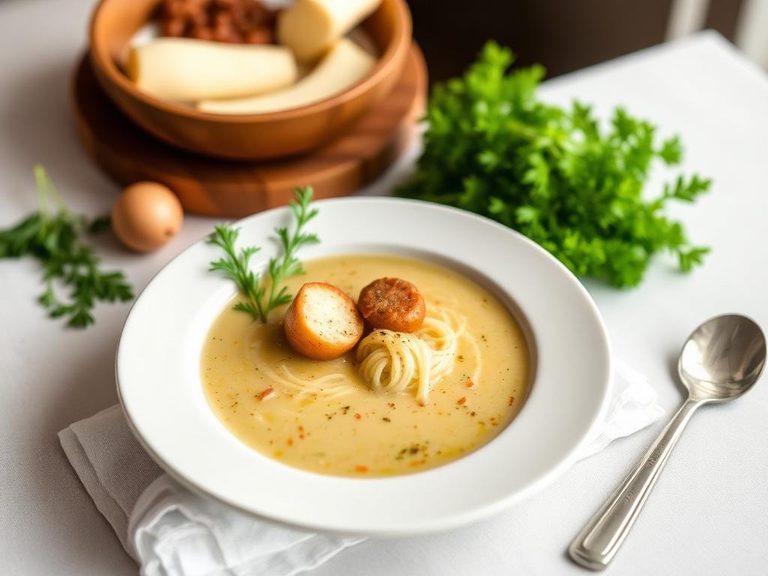
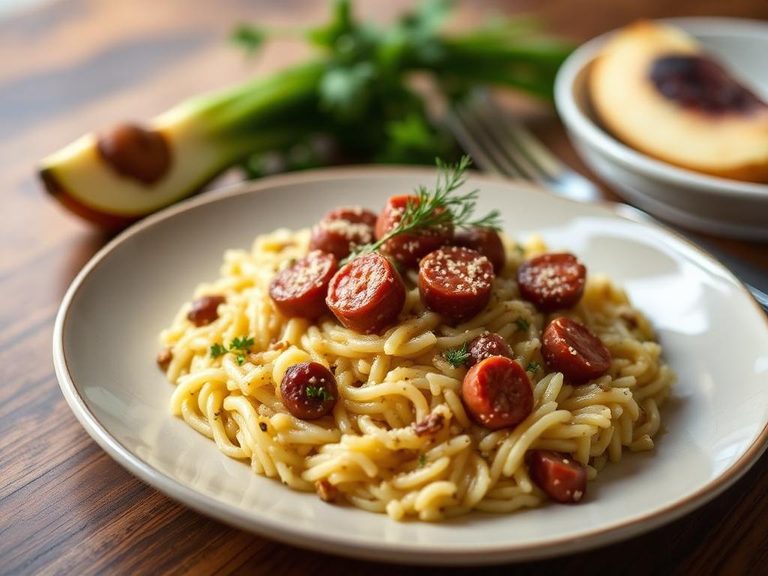
🌍 Where it's eaten
💡 Did you know?
Ancient Romans believed fennel could improve eyesight and even ward off evil spirits; they would hang it over doorways during festivals.
Full nutrition (USDA data · scales with serving)
| Water | 85.5 g |
| Energy | 62.0 kcal |
| Protein | 1.4 g |
| Total lipid (fat) | 3.2 g |
| Carbohydrate, by difference | 8.3 g |
| Fiber, total dietary | 3.5 g |
| Total Sugars | 4.5 g |
| Calcium, Ca | 56.0 mg |
| Iron, Fe | 0.84 mg |
| Magnesium, Mg | 19.0 mg |
| Phosphorus, P | 57.0 mg |
| Potassium, K | 472 mg |
| Sodium, Na | 202 mg |
| Zinc, Zn | 0.23 mg |
| Copper, Cu | 0.07 mg |
| Selenium, Se | 0.80 ug |
| Vitamin C, total ascorbic acid | 11.6 mg |
| Thiamin | 0.01 mg |
| Riboflavin | 0.04 mg |
| Niacin | 0.69 mg |
| Vitamin B-6 | 0.07 mg |
| Folate, total | 26.0 ug |
| Folic acid | 0.00 ug |
| Folate, food | 26.0 ug |
| Folate, DFE | 26.0 ug |
| Choline, total | 15.3 mg |
| Vitamin B-12 | 0.00 ug |
| Vitamin B-12, added | 0.00 ug |
| Vitamin A, RAE | 65.0 ug |
| Retinol | 13.0 ug |
| Carotene, beta | 631 ug |
| Carotene, alpha | 0.00 ug |
| Cryptoxanthin, beta | 0.00 ug |
| Lycopene | 0.00 ug |
| Lutein + zeaxanthin | 657 ug |
| Vitamin E (alpha-tocopherol) | 1.1 mg |
| Vitamin E, added | 0.00 mg |
| Vitamin D (D2 + D3) | 0.00 ug |
| Vitamin K (phylloquinone) | 74.0 ug |
| Alcohol, ethyl | 0.00 g |
| Caffeine | 0.00 mg |
| Theobromine | 0.00 mg |
Fat & fatty acid profile (per 100g)
| Fatty acids, total saturated | 0.89 g |
| SFA 4:0 | 0.02 g |
| SFA 6:0 | 0.01 g |
| SFA 8:0 | 0.01 g |
| SFA 10:0 | 0.02 g |
| SFA 12:0 | 0.02 g |
| SFA 14:0 | 0.08 g |
| SFA 16:0 | 0.52 g |
| SFA 18:0 | 0.17 g |
| Fatty acids, total monounsaturated | 1.1 g |
| MUFA 16:1 | 0.02 g |
| MUFA 18:1 | 1.1 g |
| MUFA 20:1 | 0.01 g |
| MUFA 22:1 | 0.00 g |
| Fatty acids, total polyunsaturated | 1.1 g |
| PUFA 18:2 | 0.96 g |
| PUFA 18:3 | 0.10 g |
| PUFA 18:4 | 0.00 g |
| PUFA 20:4 | 0.00 g |
| PUFA 20:5 n-3 (EPA) | 0.00 g |
| PUFA 22:5 n-3 (DPA) | 0.00 g |
| PUFA 22:6 n-3 (DHA) | 0.00 g |
| Cholesterol | 2.0 mg |
FAQ
How do you prepare a fennel bulb for cooking?
Trim off the stalks and fronds (save the fronds for garnish). Cut the bulb in half lengthwise, remove the tough core at the base, then slice or chop as desired.
Does the anise flavor go away when cooked?
Cooking mellows and sweetens the flavor significantly, making it more subtle and caramelized rather than sharp and raw. Braising or roasting reduces it the most.
What's the difference between fennel bulb and fennel seeds?
The bulb is the swollen base of the plant, eaten as a vegetable. The seeds are the dried fruit of the same plant, used as a spice with a more concentrated, intense flavor.
Nutrient density (calculated · NRF9.3)
Nutrient Rich Foods index: beneficial nutrients (protein, fiber, vitamins, minerals) minus saturated fat, added sugar & sodium, per 100 kcal.
NRF9.3 index — Fulgoni, Keast & Drewnowski, 2009. Computed from USDA nutrients.
Weight-loss friendliness (composite index)
Energy density 0.62 kcal/g · 9% calories from protein · 3.5 g fiber · 4.5 g sugar per 100 g.
Composite of energy density (Rolls et al., 1999), protein & fiber satiety, minus sugar. A calculated heuristic — ranks satiety-per-calorie, not a clinical measure.
Dietary load (calculated from USDA values)
Potential renal acid load. Positive = acid-forming, negative = alkaline-forming.
Sodium-to-potassium ratio: 0.43 (lower is better — aim for ≤ 1)
Sodium:potassium per WHO potassium guidance. Computed from USDA nutrients.