

Spices, fennel seed
Whole food · Spices and Herbs

Photo: Wikipedia
Fennel seeds are the dried, oval fruits of the fennel plant, prized for their warm, sweet, and slightly peppery flavor with a distinct anise or licorice-like aroma. Their texture is initially crunchy, releasing a burst of aromatic oils when chewed. Nutritionally, they are a remarkable source of dietary fiber, providing nearly 40 grams per 100 grams.
Calorie split: 16% protein · 51% carbs · 33% fat
↓ Full nutrition💚 Why it's loved
People love fennel seeds for their unique, sweet-spicy flavor that can brighten both savory and sweet dishes, and for their traditional role as a digestive after-meal treat in many cultures.
⚠️ Watch-outs & how to enjoy it better
Their strong, distinctive flavor can be overpowering if used excessively, and they contain natural compounds (like anethole) that some people may find overly intense. Those with estrogen-sensitive conditions should consult a doctor, as fennel has mild phytoestrogenic properties. To counteract, use them sparingly as a seasoning rather than a main ingredient, and pair with robust flavors like garlic, chili, or citrus to balance their sweetness.
Key benefits
- Excellent source of dietary fiber for digestive health
- Rich in minerals like manganese, calcium, and iron
- Contains antioxidants like rosmarinic acid and quercetin
- Provides a good amount of plant-based protein
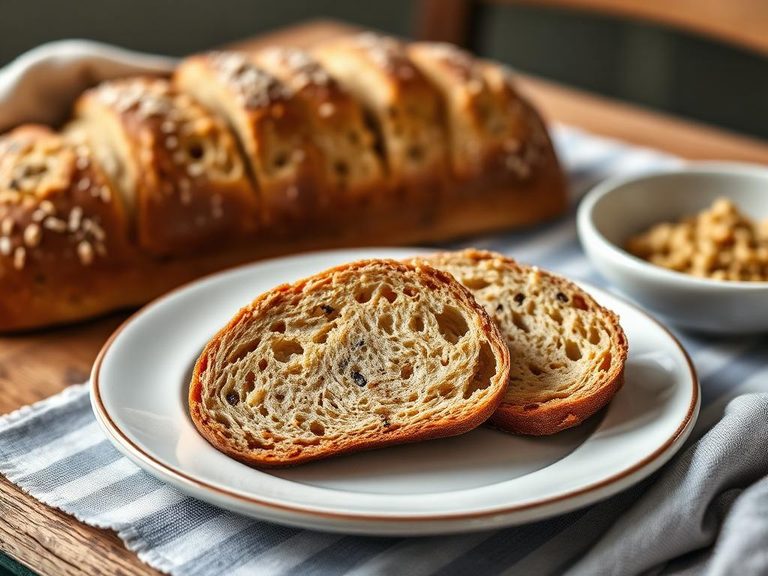
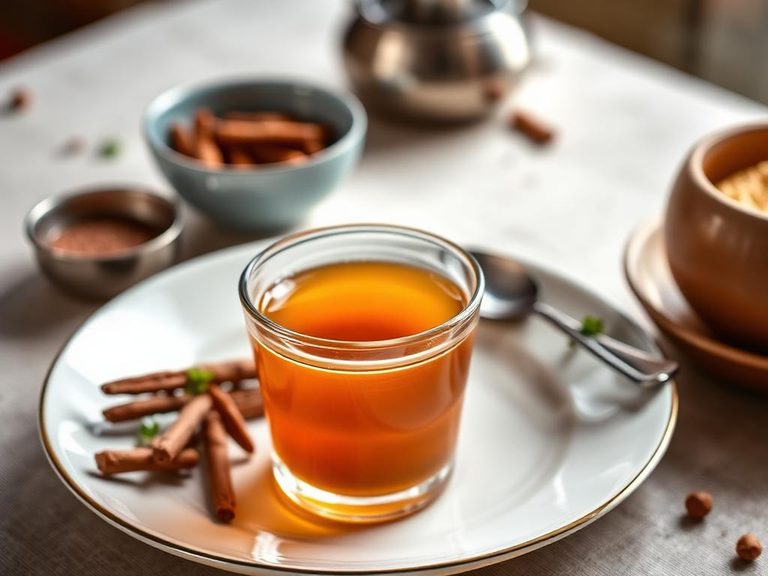
🍽️ Popular dishes
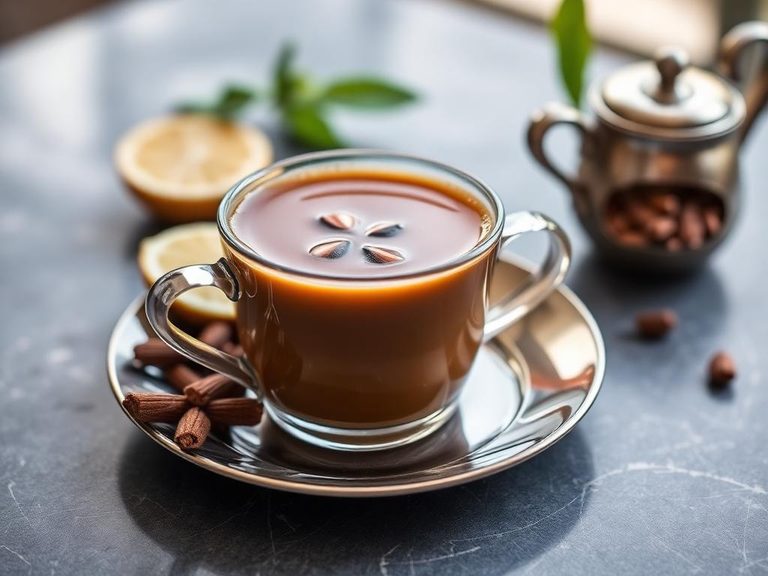
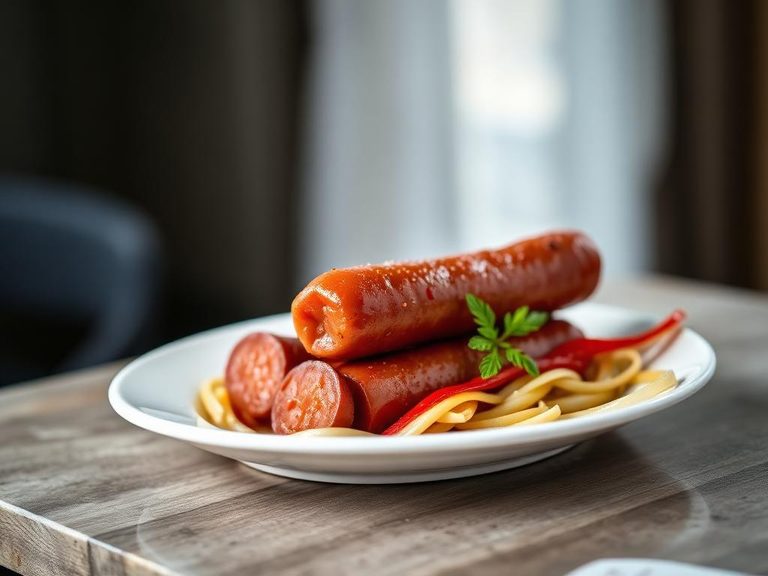
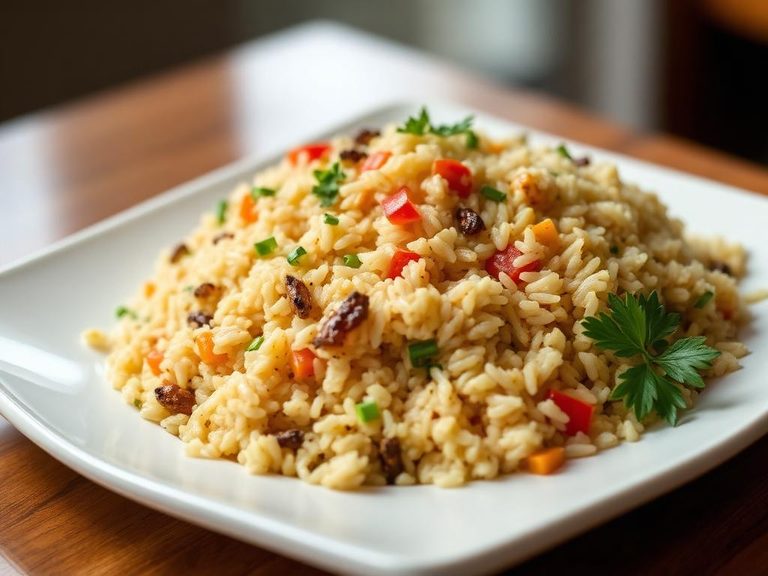
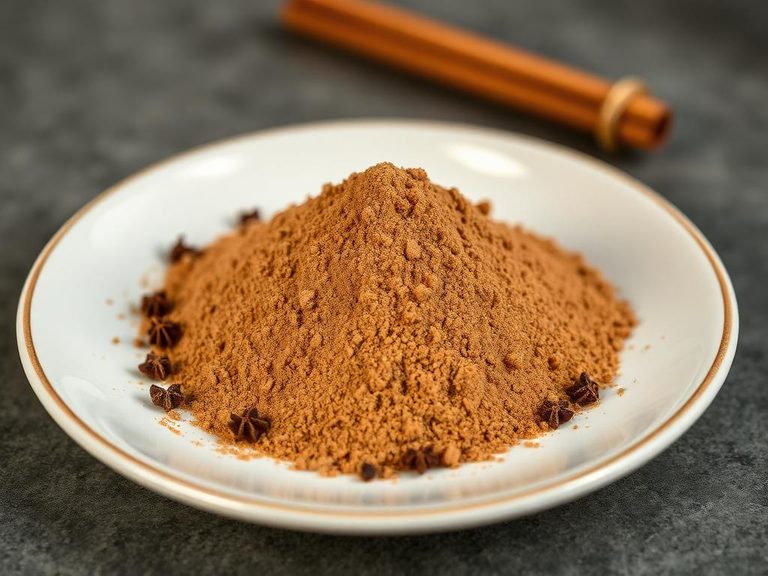
🌍 Where it's eaten
💡 Did you know?
Fennel seeds are a key ingredient in many traditional mouth fresheners and digestive mixes, like the Indian 'mukhwas,' where they are often candied or coated in sugar.
Full nutrition (USDA data · scales with serving)
| Water | 8.8 g |
| Energy | 345 kcal |
| Energy | 1443 kj |
| Protein | 15.8 g |
| Total lipid (fat) | 14.9 g |
| Ash | 8.2 g |
| Carbohydrate, by difference | 52.3 g |
| Fiber, total dietary | 39.8 g |
| Calcium, Ca | 1196 mg |
| Iron, Fe | 18.5 mg |
| Magnesium, Mg | 385 mg |
| Phosphorus, P | 487 mg |
| Potassium, K | 1694 mg |
| Sodium, Na | 88.0 mg |
| Zinc, Zn | 3.7 mg |
| Copper, Cu | 1.1 mg |
| Manganese, Mn | 6.5 mg |
| Vitamin C, total ascorbic acid | 21.0 mg |
| Thiamin | 0.41 mg |
| Riboflavin | 0.35 mg |
| Niacin | 6.0 mg |
| Vitamin B-6 | 0.47 mg |
| Vitamin B-12 | 0.00 ug |
| Vitamin A, RAE | 7.0 ug |
| Retinol | 0.00 ug |
| Vitamin A, IU | 135 iu |
| Vitamin D (D2 + D3), International Units | 0.00 iu |
| Vitamin D (D2 + D3) | 0.00 ug |
Fat & fatty acid profile (per 100g)
| Fatty acids, total saturated | 0.48 g |
| SFA 16:0 | 0.48 g |
| Fatty acids, total monounsaturated | 9.9 g |
| MUFA 18:1 | 9.9 g |
| Fatty acids, total polyunsaturated | 1.7 g |
| PUFA 18:2 | 1.7 g |
| Cholesterol | 0.00 mg |
| Phytosterols | 66.0 mg |
Amino acid profile (per 100g)
| Tryptophan | 0.25 g |
| Threonine | 0.60 g |
| Isoleucine | 0.69 g |
| Leucine | 1.00 g |
| Lysine | 0.76 g |
| Methionine | 0.30 g |
| Cystine | 0.22 g |
| Phenylalanine | 0.65 g |
| Tyrosine | 0.41 g |
| Valine | 0.92 g |
| Arginine | 0.68 g |
| Histidine | 0.33 g |
| Alanine | 0.79 g |
| Aspartic acid | 1.8 g |
| Glutamic acid | 3.0 g |
| Glycine | 1.1 g |
| Proline | 0.90 g |
| Serine | 0.90 g |
FAQ
What does fennel seed taste like?
Fennel seed has a warm, sweet, and aromatic flavor strongly reminiscent of anise or licorice, with a slight peppery finish.
Are fennel seeds the same as fennel bulb?
No. They come from the same plant (Foeniculum vulgare), but the seeds are the dried fruit, while the bulb is the swollen, crisp base of the stalks. They have different textures and uses.
How should I store fennel seeds?
Store them in an airtight container in a cool, dark place. Whole seeds retain their flavor much longer than pre-ground fennel powder.
Nutrient density (calculated · NRF9.3)
Nutrient Rich Foods index: beneficial nutrients (protein, fiber, vitamins, minerals) minus saturated fat, added sugar & sodium, per 100 kcal.
NRF9.3 index — Fulgoni, Keast & Drewnowski, 2009. Computed from USDA nutrients.
Weight-loss friendliness (composite index)
Energy density 3.45 kcal/g · 18% calories from protein · 39.8 g fiber · 0.0 g sugar per 100 g.
Composite of energy density (Rolls et al., 1999), protein & fiber satiety, minus sugar. A calculated heuristic — ranks satiety-per-calorie, not a clinical measure.
Dietary load (calculated from USDA values)
Potential renal acid load. Positive = acid-forming, negative = alkaline-forming.
Sodium-to-potassium ratio: 0.05 (lower is better — aim for ≤ 1)
Sodium:potassium per WHO potassium guidance. Computed from USDA nutrients.