

Corn syrup
Common food

Photo: Wikipedia
Corn syrup is a thick, clear, viscous liquid sweetener derived from corn starch, primarily composed of glucose. It offers a clean, moderately sweet taste without the crystallization issues of granulated sugar, making it a staple in commercial baking and candy-making. Nutritionally, it is almost entirely carbohydrates, providing 283 kcal and 76.77g of sugar per 100g, with negligible protein, fat, or fiber.
Calorie split: 0% protein · 99% carbs · 1% fat
↓ Full nutrition💚 Why it's loved
People love corn syrup for its ability to create perfectly smooth, glossy confections like caramel and pecan pie, and its role in keeping baked goods moist and tender. Its neutral flavor allows it to sweeten without overpowering other ingredients, making it incredibly versatile in both home and industrial kitchens.
⚠️ Watch-outs & how to enjoy it better
Corn syrup is a concentrated source of sugar that can contribute to rapid blood-sugar spikes and is linked to excessive calorie intake when over-consumed. To counteract this, use it sparingly as part of a balanced diet, pair it with protein or fiber-rich foods to slow absorption, and opt for smaller portions in recipes where it's used for sweetness rather than texture.
Key benefits
- Prevents sugar crystallization in candies and frostings
- Adds moisture and extends shelf life in baked goods
- Provides a smooth, consistent texture in processed foods
- Cost-effective and widely available sweetener
- Helps maintain softness in products like bread and cookies
🍽️ Popular dishes


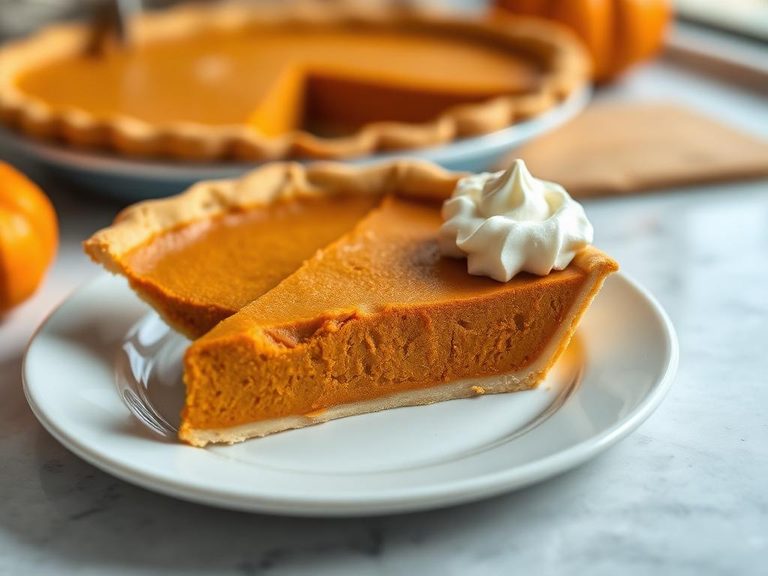
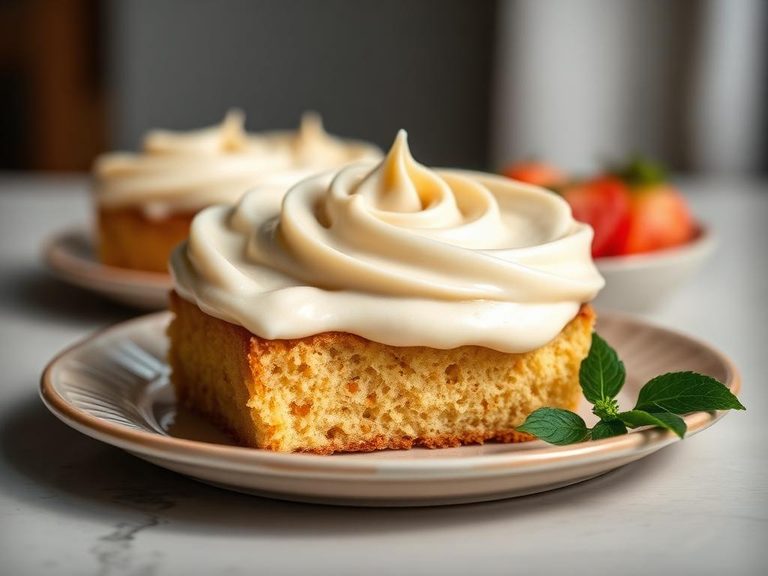
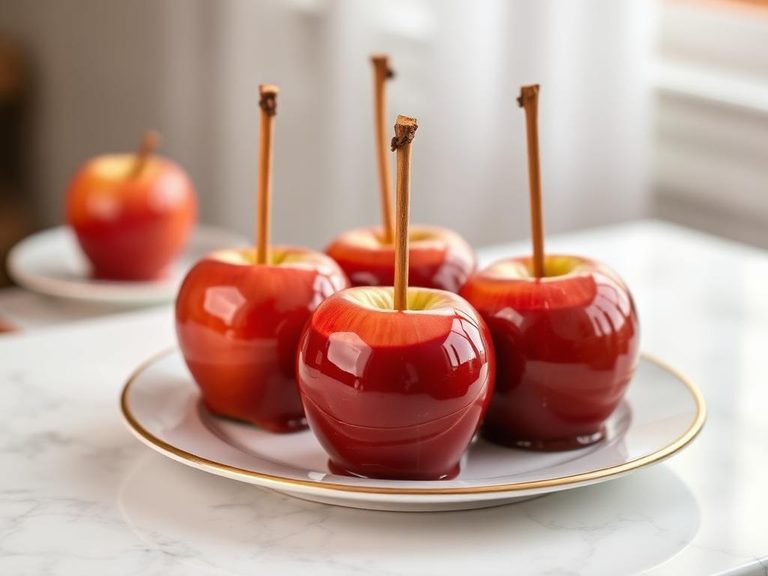
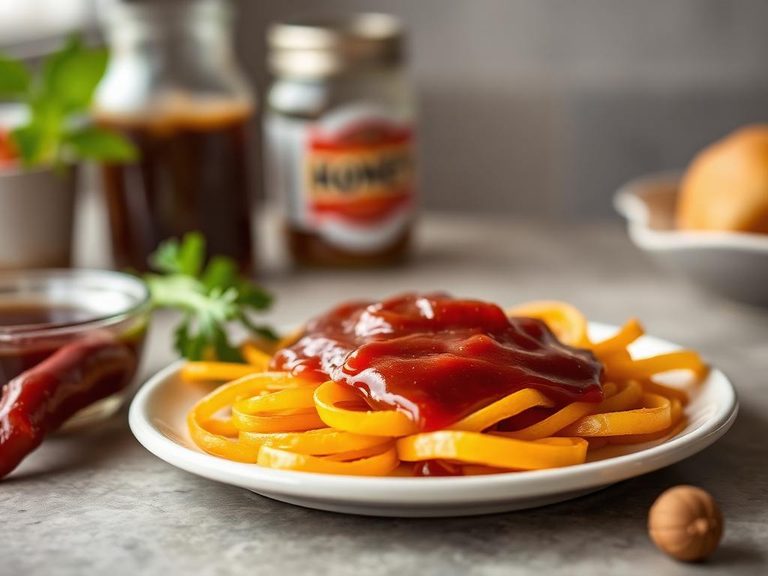
🌍 Where it's eaten
💡 Did you know?
Corn syrup is not the same as high-fructose corn syrup (HFCS); it is primarily glucose, while HFCS has been enzymatically converted to contain fructose, making them distinct products with different metabolic impacts.
Full nutrition (USDA data · scales with serving)
| Water | 22.8 g |
| Energy | 283 kcal |
| Protein | 0.00 g |
| Total lipid (fat) | 0.20 g |
| Carbohydrate, by difference | 76.8 g |
| Fiber, total dietary | 0.00 g |
| Total Sugars | 76.8 g |
| Calcium, Ca | 13.0 mg |
| Iron, Fe | 0.00 mg |
| Magnesium, Mg | 1.0 mg |
| Phosphorus, P | 0.00 mg |
| Potassium, K | 1.0 mg |
| Sodium, Na | 62.0 mg |
| Zinc, Zn | 0.44 mg |
| Copper, Cu | 0.00 mg |
| Selenium, Se | 0.70 ug |
| Vitamin C, total ascorbic acid | 0.00 mg |
| Thiamin | 0.06 mg |
| Riboflavin | 0.00 mg |
| Niacin | 0.00 mg |
| Vitamin B-6 | 0.00 mg |
| Folate, total | 0.00 ug |
| Folic acid | 0.00 ug |
| Folate, food | 0.00 ug |
| Folate, DFE | 0.00 ug |
| Choline, total | 0.00 mg |
| Vitamin B-12 | 0.00 ug |
| Vitamin B-12, added | 0.00 ug |
| Vitamin A, RAE | 0.00 ug |
| Retinol | 0.00 ug |
| Carotene, beta | 0.00 ug |
| Carotene, alpha | 0.00 ug |
| Cryptoxanthin, beta | 0.00 ug |
| Lycopene | 0.00 ug |
| Lutein + zeaxanthin | 0.00 ug |
| Vitamin E (alpha-tocopherol) | 0.00 mg |
| Vitamin E, added | 0.00 mg |
| Vitamin D (D2 + D3) | 0.00 ug |
| Vitamin K (phylloquinone) | 0.00 ug |
| Alcohol, ethyl | 0.00 g |
| Caffeine | 0.00 mg |
| Theobromine | 0.00 mg |
Fat & fatty acid profile (per 100g)
| Fatty acids, total saturated | 0.00 g |
| SFA 4:0 | 0.00 g |
| SFA 6:0 | 0.00 g |
| SFA 8:0 | 0.00 g |
| SFA 10:0 | 0.00 g |
| SFA 12:0 | 0.00 g |
| SFA 14:0 | 0.00 g |
| SFA 16:0 | 0.00 g |
| SFA 18:0 | 0.00 g |
| Fatty acids, total monounsaturated | 0.00 g |
| MUFA 16:1 | 0.00 g |
| MUFA 18:1 | 0.00 g |
| MUFA 20:1 | 0.00 g |
| MUFA 22:1 | 0.00 g |
| Fatty acids, total polyunsaturated | 0.00 g |
| PUFA 18:2 | 0.00 g |
| PUFA 18:3 | 0.00 g |
| PUFA 18:4 | 0.00 g |
| PUFA 20:4 | 0.00 g |
| PUFA 20:5 n-3 (EPA) | 0.00 g |
| PUFA 22:5 n-3 (DPA) | 0.00 g |
| PUFA 22:6 n-3 (DHA) | 0.00 g |
| Cholesterol | 0.00 mg |
FAQ
What is the difference between corn syrup and high-fructose corn syrup?
Corn syrup is made from corn starch and is primarily glucose, while high-fructose corn syrup (HFCS) is corn syrup that has been enzymatically processed to convert some glucose into fructose, making it sweeter and commonly used in soft drinks.
Can corn syrup be used as a substitute for honey or maple syrup?
Corn syrup can be used as a substitute in recipes where sweetness and texture are key, but it lacks the distinct flavors of honey or maple syrup. It's best used in candies, frostings, and baked goods rather than as a direct flavor replacement.
Is corn syrup gluten-free?
Yes, corn syrup is naturally gluten-free, as it is derived from corn, which does not contain gluten. However, individuals with severe gluten sensitivities should check labels for cross-contamination in processing facilities.
Nutrient density (calculated · NRF9.3)
Nutrient Rich Foods index: beneficial nutrients (protein, fiber, vitamins, minerals) minus saturated fat, added sugar & sodium, per 100 kcal.
NRF9.3 index — Fulgoni, Keast & Drewnowski, 2009. Computed from USDA nutrients.
Weight-loss friendliness (composite index)
Energy density 2.83 kcal/g · 0% calories from protein · 0.0 g fiber · 76.8 g sugar per 100 g.
Composite of energy density (Rolls et al., 1999), protein & fiber satiety, minus sugar. A calculated heuristic — ranks satiety-per-calorie, not a clinical measure.
Dietary load (calculated from USDA values)
Potential renal acid load. Positive = acid-forming, negative = alkaline-forming.
Sodium-to-potassium ratio: 62.00 (lower is better — aim for ≤ 1)
Sodium:potassium per WHO potassium guidance. Computed from USDA nutrients.